

Periods of economic uncertainty often change the way people think about money. When inflation stays high, currencies move sharply, or markets become harder to read, many investors start looking again at assets with a longer history of trust.
That is where platforms such as OGold become relevant, because they show how physical gold and silver can be explored through an official website and then managed through an app. The idea is not to make gold look new. It is to make access to it simpler, faster, and closer to the way people already manage finance.
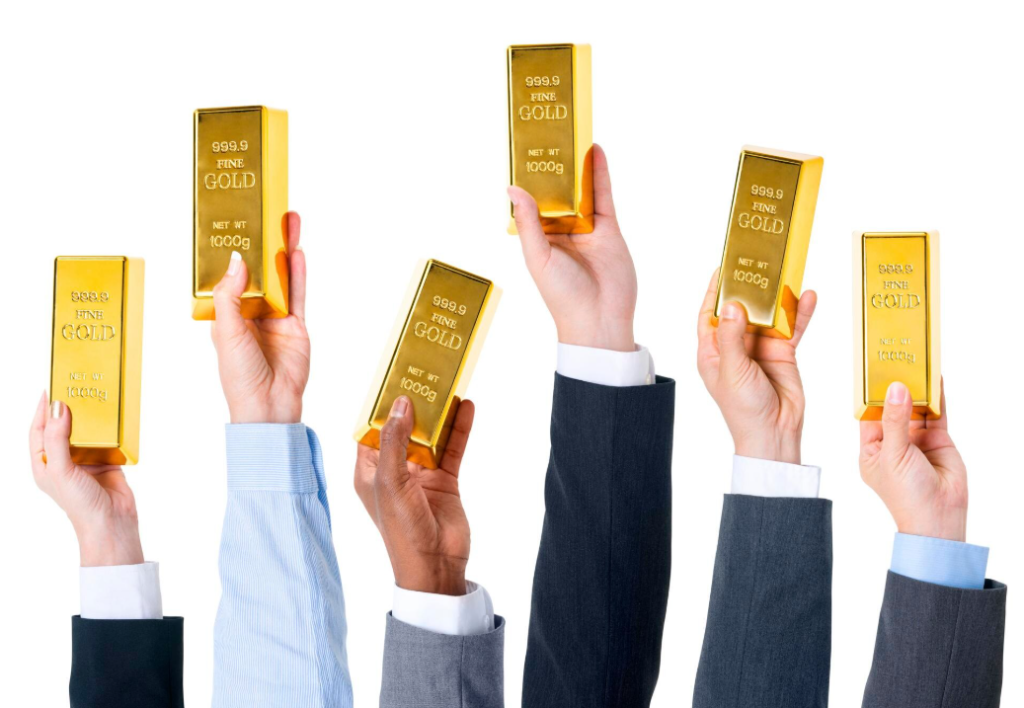
Why Investors Return to Real Assets During Uncertain Times
When prices rise and purchasing power feels less stable, investors often look for assets that are not tied only to paper money or market sentiment. Gold has a special place in that discussion because it is physical, widely recognized, and familiar across many cultures. The growing interest in digital gold comes from several practical needs:
- protection from currency pressure when local money loses purchasing power;
- access to a familiar asset without needing to visit a dealer;
- smaller entry amounts through fractional buying;
- clearer price tracking through real-time market data;
- secure storage without personal handling;
- faster selling when liquidity becomes important.
It keeps the idea of a real asset but removes several old barriers around access, storage, and resale. For investors who want something tangible but still easy to manage, that combination can feel more useful than traditional buying alone.
Digital Gold Is Not the Same as Speculative Crypto
Digital gold is sometimes placed in the same broad conversation as crypto because both can exist inside apps and online financial tools. But the logic behind them is different. A digital gold is tied to a physical precious metal, while many speculative crypto assets depend mainly on market demand, network activity, and investor confidence.
That difference matters during unstable periods. Some investors may be open to digital finance but still prefer an asset with a physical foundation. Digital gold offers that middle point. It uses technology for access and management, but the value remains connected to the precious metal.
How Technology Makes Gold Easier to Use
Traditional gold buying has several practical limits. People need to compare prices, check purity, arrange storage, and think about how they will sell later. These steps can make the first purchase feel bigger than it needs to be.
Technology reduces that friction. A digital platform can show live prices, support smaller purchases, display balances in a wallet, and connect the user with selling options when access to money matters.
Fractional Access
Fractional buying is one of the most important changes. A user does not need to wait until they can buy a large quantity of metal. They can begin with a smaller amount and build gradually. This makes digital gold more realistic for younger investors, expats, and people who want to divide savings across several assets. It also helps avoid the pressure of making one large decision at the wrong time.
Real-Time Pricing and Visibility
Gold prices move, and visibility matters. When a platform shows real-time pricing, users can understand the value of their balance more clearly. They do not need to rely only on a dealer’s quote or delayed information. A digital wallet also helps keep the asset visible. Instead of forgetting about a stored item, users can check the value, track growth, and make decisions with more context.
Liquidity Without Physical Handling
Selling physical gold can take time. A user may need to visit a shop, agree on a price, and complete the transaction manually. Digital platforms can make this process faster by allowing users to sell part of their balance through the app. This liquidity is one of the reasons gold-backed digital assets feel more practical.
Why Spending Features Change the Role of Gold
Gold is usually associated with saving, not spending. That is exactly why card-linked digital gold products feel different. They let users connect stored value with payments, which changes how the asset can fit into daily life.
OGold is built around this wider idea. Its model combines physical gold and silver ownership with a wallet, Mastercard spending, rewards, XP points, and lifestyle products such as eSIM cards. Gold can be converted at the moment of payment, where Mastercard is accepted, so the user does not need to sell manually before every purchase.

What Modern Investors Should Look For
A digital gold platform should be easy to use, but convenience is not enough. Before using a platform, it is useful to review the main areas that affect trust and practicality:
- whether the gold or silver is physically backed and verified;
- how real-time prices are displayed inside the platform;
- what storage and security measures are explained;
- how quickly a user can sell and access value;
- whether the platform offers extra tools such as card spending, rewards, or lifestyle services.
A reliable platform should make the asset easier to understand, not hide important information behind marketing language. The more clearly the process is explained, the easier it is for users to decide whether it fits their goals.
The Business Side of Gold-Backed Digital Assets
The same trend is also important for companies. Banks, fintech platforms, loyalty programs, and super apps can use gold-backed services to add a more tangible layer to their products. This can help them offer users something beyond points, basic wallets, or short-term promotions.
For businesses, gold can support customer retention because it feels more meaningful than a standard reward balance. A user may value a gold-linked benefit more than a discount that disappears quickly. Technology also makes these products easier to integrate. APIs, digital onboarding, transaction reporting, and wallet systems can help companies connect precious metals with services their customers already use.
Conclusions
Digital gold is rising because it answers two different needs at once. Investors want the familiarity of a real asset, but they also expects modern tools that make buying, tracking, selling, and spending easier.
In uncertain economic periods, that mix becomes more relevant. Platforms such as OGold show how physical gold and silver can become more accessible. For many users, the main appeal is clear: gold keeps its traditional role, while technology makes it easier to use in real financial life.