

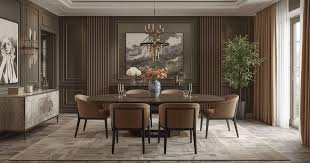
Material blending has become one of the most defining approaches in contemporary interior design, transforming dining rooms from single-note spaces into layered, visually compelling environments. For interior designers, the challenge lies not simply in selecting beautiful materials but in orchestrating them into a cohesive narrative that feels intentional rather than chaotic. The dining room, centered around its dining set, serves as the perfect canvas for this creative exercise—it’s where function meets gathering, and where material choices directly influence the mood of shared meals and conversations. By thoughtfully combining wood, metal, glass, and textiles, designers unlock remarkable versatility and aesthetic depth that a single-material approach simply cannot achieve. This guide offers practical strategies and professional insights for blending materials effectively, helping you craft modern dining spaces that resonate with clients and stand the test of evolving trends.
The Fundamentals of Material Blending in Dining Room Design
Material blending in dining room design isn’t merely an aesthetic choice—it’s a strategic approach that gives spaces dimension and personality. When a dining room relies on a single material, it risks feeling flat or one-dimensional, regardless of how premium that material might be. Introducing complementary materials creates visual rhythm, guiding the eye through the space and making it feel curated rather than catalog-ordered.
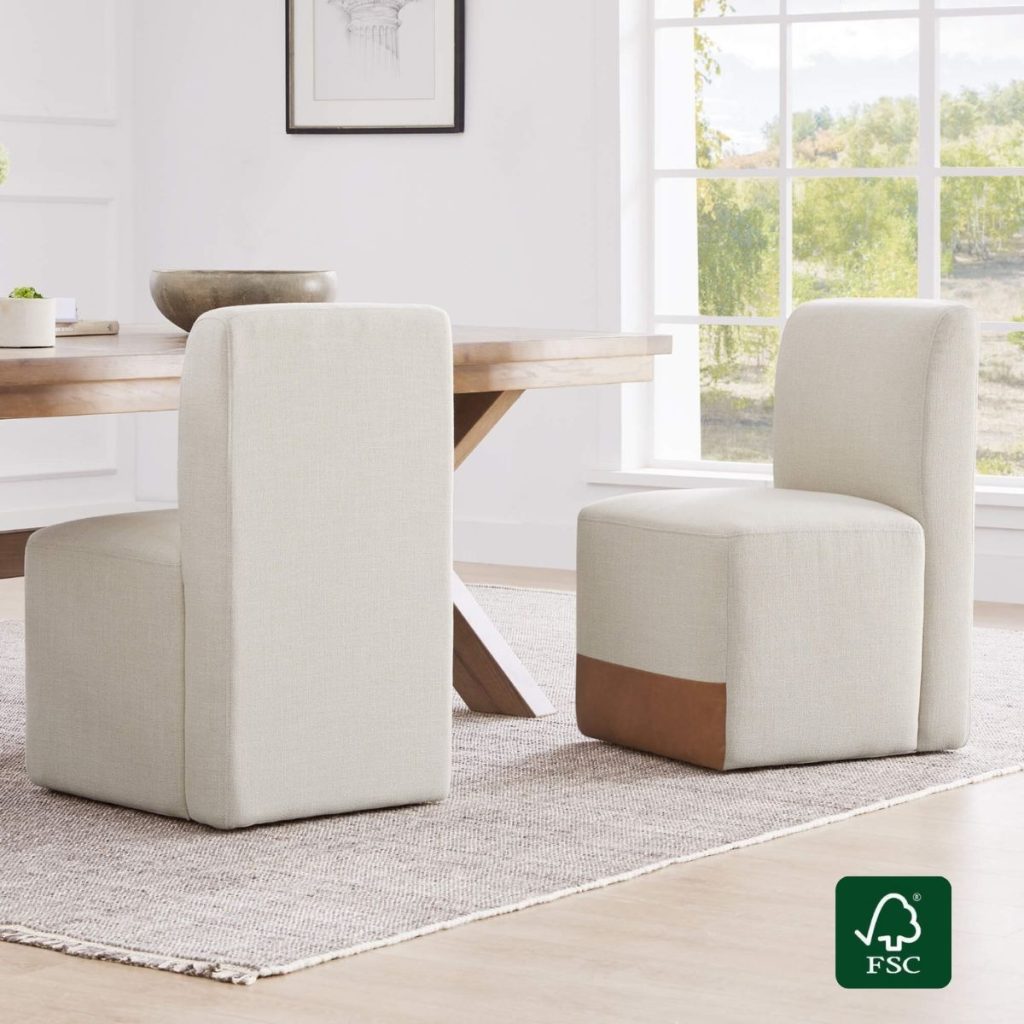
The core principles governing successful material blending come down to three elements: balance, contrast, and harmony. Balance ensures no single material overwhelms the composition—a heavy stone tabletop needs the visual relief of lighter seating or airy metalwork. Contrast generates interest by placing opposing textures or finishes in dialogue, such as rough-hewn wood against polished chrome. Harmony ties everything together through shared undertones, proportions, or design language that signals intentionality. This flexibility in design allows professionals to personalize each dining room to a client’s lifestyle while maintaining a distinctly modern sensibility. When these principles work together, the result is a dining room design that feels both dynamic and grounded—a space where every material earns its place in the overall composition.
Key Materials for Modern Dining Sets and Furniture Collections
A successful modern dining room draws from a palette of core materials, each bringing distinct qualities that contribute to the overall composition. Understanding these materials individually is essential before combining them effectively within a furniture collection. Wood, metal, glass, and upholstery form the foundational quartet that most contemporary dining sets rely upon, and each offers unique opportunities for creative expression when thoughtfully integrated into a cohesive design scheme.
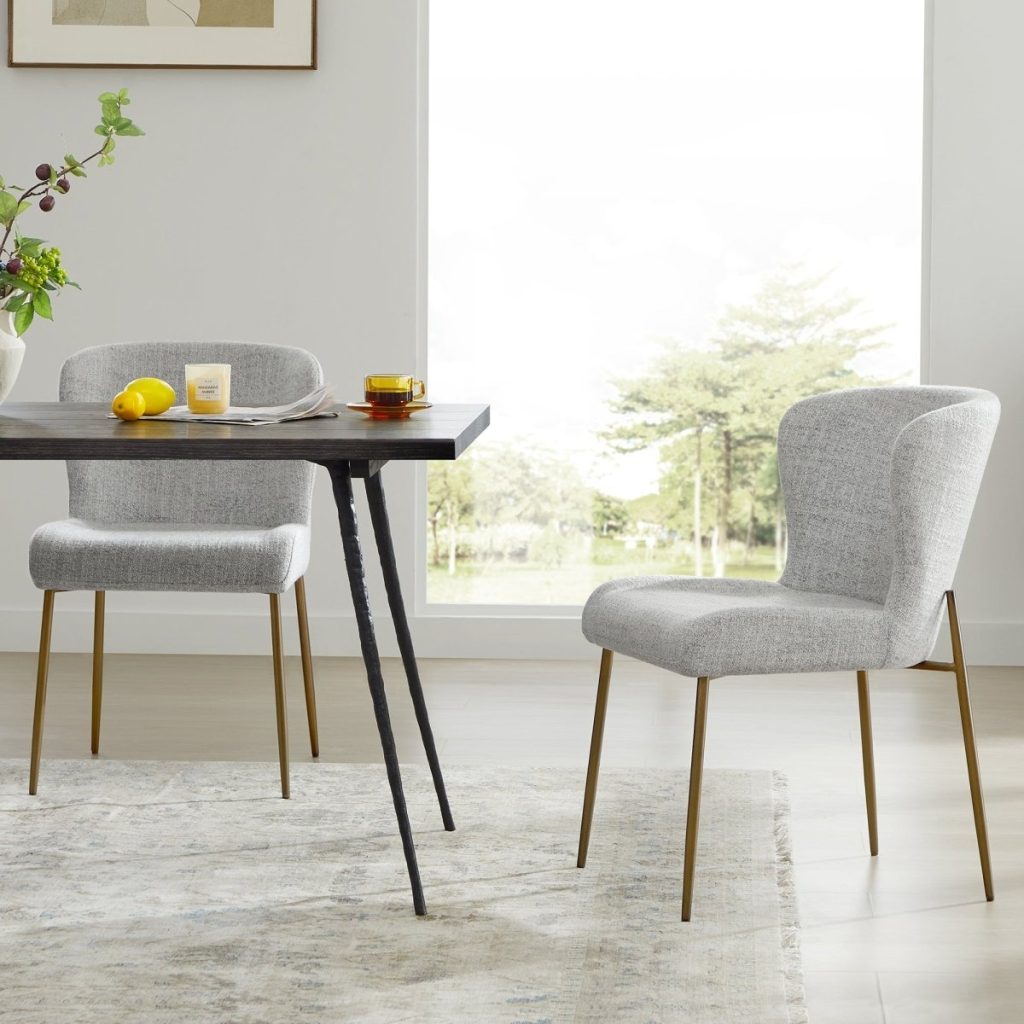
Wood: Adding Warmth and Texture
Wood remains the anchor material for most dining sets, offering organic warmth that prevents modern spaces from feeling sterile. Oak and walnut deliver rich grain patterns suited to statement tables, while ash and beech provide lighter, more understated profiles for modern dining chairs. Brands like Chitaliving demonstrate how quality wood craftsmanship can serve as the foundation for mixed-material compositions. The key to pairing wood with other materials lies in reading its undertone—cool-toned woods like white oak complement metal and glass naturally, while warmer species like acacia pair beautifully with brass accents and textured upholstery.
Metal and Glass: Sleek and Contemporary Elements
Metal frames in modern dining chairs introduce structural precision and visual lightness that solid wood cannot achieve alone. Steel, aluminum, and brass each carry different design connotations—from industrial edge to refined elegance. Glass tabletops amplify this effect by creating transparency within the dining area, making smaller spaces feel open and uncluttered. Together, these materials contribute a sleek, contemporary layer that balances heavier organic elements and keeps the overall furniture collection feeling current and intentional.
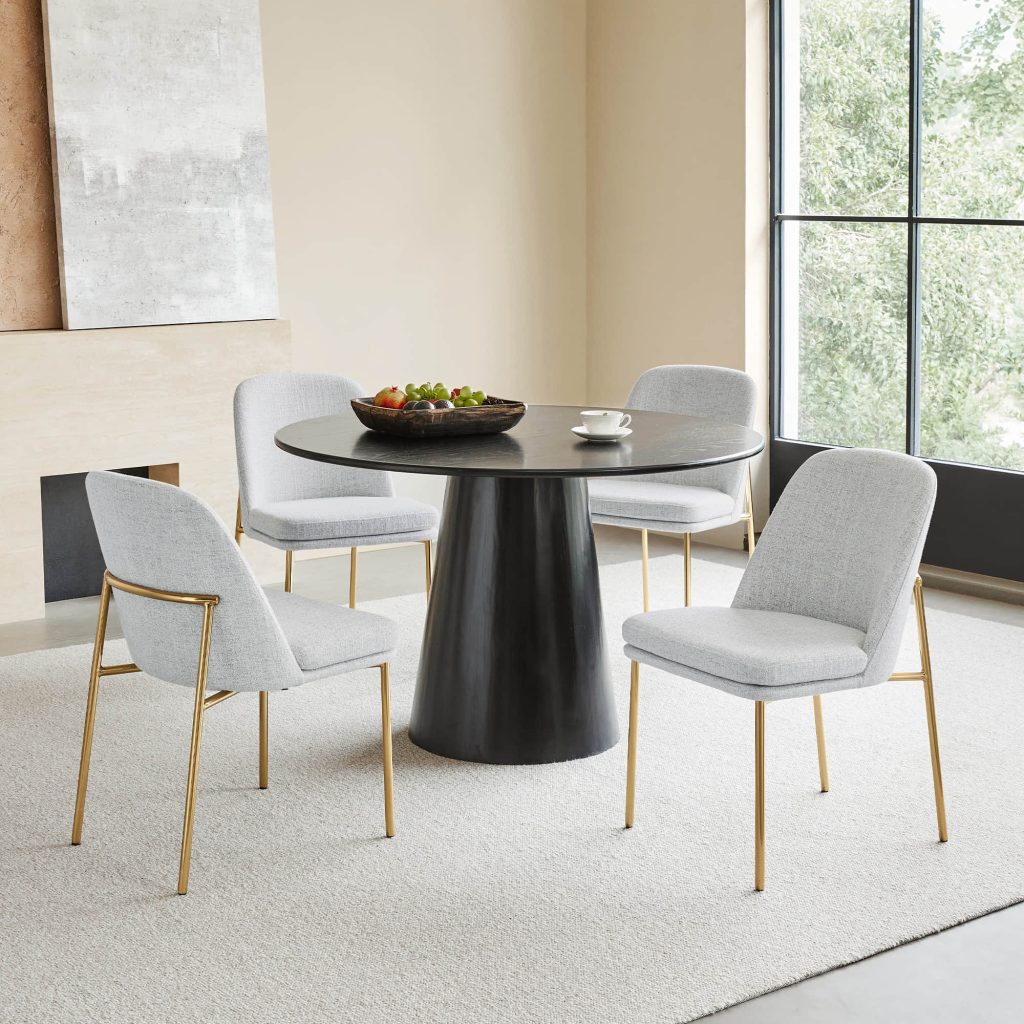
Strategies for Creating a Cohesive Dining Space with Mixed Materials
The greatest risk in material blending isn’t choosing the wrong material—it’s failing to create visual coherence among the right ones. A dining area decor scheme that incorporates wood, metal, glass, and fabric can easily tip into visual noise without deliberate strategies for unification. The goal is to make diverse elements feel like they belong to the same story, even when their textures and origins differ dramatically.
Proportion plays a quietly powerful role in cohesion. When one material dominates roughly sixty percent of the visual field and secondary materials share the remaining space, the eye registers order rather than competition. A large walnut dining table, for instance, establishes wood as the protagonist, while metal chair legs and a glass pendant light serve as supporting characters that enhance without overwhelming. This proportional thinking extends to texture density as well—pairing one heavily textured material with smoother counterparts prevents sensory overload and maintains the flexibility in design that clients expect from modern spaces.
Balancing Contrast and Harmony
Effective contrast requires intention, not randomness. The most successful dining sets pair materials that differ in one quality while sharing another—a matte black metal base beneath a live-edge wood top contrasts in texture but aligns in visual weight. Similarly, pairing velvet-upholstered chairs with a glass table creates softness against transparency, unified by a shared color family. The principle is straightforward: let materials disagree on one axis while agreeing on another, and the result feels dynamic yet resolved.
Selecting Finishes and Colors for Unity
Finish selection is where cohesion is truly won or lost. Mixing a brushed brass chandelier with polished chrome chair frames creates a subtle discord that undermines the entire composition. Committing to a single metal finish family—or deliberately using no more than two with clear hierarchical intent—anchors the dining area decor. Color operates similarly: a neutral foundation of whites, grays, or warm taupes allows material textures to speak without competing against bold hues. Accent colors should appear in at least two places within the room, bridging different material zones and reinforcing that every choice connects to a unified palette.
Practical Solution Steps for Interior Designers
Moving from theory to execution requires a structured workflow that accounts for client expectations, spatial constraints, and the practical realities of sourcing mixed-material furniture collections. Interior designers who approach material blending systematically—rather than intuitively—produce more consistent results and can articulate their choices to clients with confidence. The following framework transforms abstract principles into repeatable actions that work across project scales and budgets.
Step-by-Step Guide to Material Integration
Begin by defining the design theme and client preferences through a focused consultation that identifies lifestyle patterns, maintenance tolerance, and aesthetic leanings. This conversation reveals whether a client gravitates toward the warmth of natural materials or the precision of industrial elements. Next, choose a primary material for the dining set—this becomes the visual anchor that occupies the majority of surface area, whether that’s a solid wood table or a marble-topped centerpiece. From there, incorporate secondary materials that introduce contrast without competing for attention: metal chair frames beneath upholstered seats, or a glass sideboard echoing the transparency of pendant lighting above. Finally, accessorize with complementary decor items—ceramics, textiles, or sculptural objects—that reinforce the material narrative established by the dining set and bridge the furniture to the broader room.
Evaluating Furniture Collections for Client Projects
When selecting modern dining chairs and tables from a furniture collection, prioritize pieces that offer modularity and material versatility. Look for collections where chair frames come in multiple finish options or where table bases can pair with different top materials. This flexibility in design ensures that future updates—whether driven by client preferences or evolving trends—require replacing accents rather than entire sets, protecting both the investment and the design integrity over time.
Enhancing Flexibility and Style in Dining Area Decor
Material blending inherently builds adaptability into dining spaces, allowing rooms to evolve without complete overhauls. A mixed-material dining set accommodates seasonal shifts through simple accessory swaps—changing chair cushion fabrics from linen to velvet transitions a room from summer lightness to winter richness without touching the core furniture. This flexibility in design proves invaluable for clients who appreciate refreshed spaces but resist frequent large purchases. For maintenance and longevity, advise clients to treat each material according to its specific needs: seal wood surfaces annually, use microfiber on metal frames to prevent fingerprint buildup, and rotate upholstered seating to ensure even wear. When trends shift, the layered foundation of a well-blended dining area decor means only accent pieces need updating, preserving the investment in quality core materials.
Mastering Material Blending for Timeless Dining Room Design
Blending materials in modern dining room design is far more than a stylistic preference—it’s a disciplined practice that elevates spaces from functional to extraordinary. The principles of balance, contrast, and harmony provide the framework, while wood, metal, glass, and upholstery supply the vocabulary for creating dining sets that anchor entire rooms with character and intention. By approaching material integration systematically—defining client needs, establishing a primary material anchor, layering secondary elements for contrast, and unifying through deliberate finish and color choices—interior designers can deliver dining spaces that feel both cohesive and richly textured.
The dining set remains the focal point around which all other material decisions orbit, making its composition the single most impactful choice in any dining room design project. As trends continue moving toward personalization and sustainability, the ability to blend materials thoughtfully ensures that spaces remain adaptable without sacrificing design integrity. Designers who master this approach position themselves to create dining rooms that don’t just reflect current aesthetics but gracefully accommodate the evolving tastes and lifestyles of their clients for years to come.