

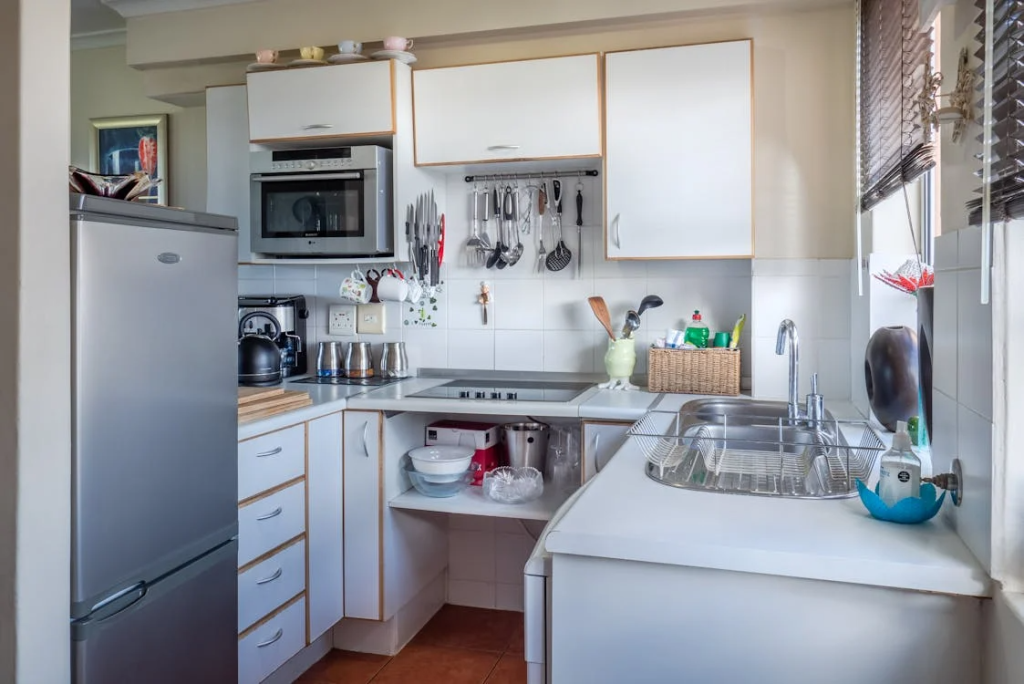
Electricity powers many of the devices we rely on every day—from lighting and entertainment systems to kitchen appliances and home heating. But not all appliances consume the same amount of electricity. Some use very little energy, while others can significantly increase your monthly utility bill.
Understanding which household appliances use the most electricity can help families make smarter choices about energy use, reduce waste, and potentially lower their energy costs.
In this guide, we’ll explore the appliances that typically consume the most electricity in homes and share practical tips to help manage their energy use more efficiently.
Why Some Appliances Use More Electricity
Electricity consumption depends on several factors, including:
- Wattage of the appliance
- How long the appliance runs
- How frequently it’s used
- Energy efficiency of the model
Appliances that produce heat or cool large spaces usually require the most electricity because these processes demand a lot of energy.
Let’s take a closer look at the biggest electricity users in most households.
Heating and Cooling Systems
Heating and cooling systems are typically the largest energy consumers in a home.
These systems include:
- Central air conditioners
- Electric furnaces
- Heat pumps
- Space heaters
Air conditioning systems can use 2,000 to 5,000 watts or more when running, especially during hot summer months. Heating systems may also run frequently during winter, increasing electricity usage.
How to reduce energy use
- Adjust your thermostat by a few degrees
- Use ceiling fans to circulate air
- Keep air filters clean
- Seal windows and doors to prevent energy loss
Even small adjustments can help reduce the amount of electricity these systems require.
Water Heaters
Electric water heaters are another major contributor to household electricity use.
They work by heating large amounts of water and maintaining that temperature throughout the day.
Typical power usage for electric water heaters ranges from 3,000 to 4,500 watts.
Tips for improving efficiency
- Lower the water heater temperature to about 120°F (49°C)
- Use less hot water when possible
- Insulate hot water pipes
- Install low-flow showerheads
These small changes can help reduce the energy required to heat water in your home.
Refrigerators and Freezers
Refrigerators run 24 hours a day, making them one of the most consistently used appliances in the home.
Although modern refrigerators are more energy-efficient than older models, they still use a steady amount of electricity to maintain cool temperatures.
Typical energy usage ranges from 100 to 400 watts, depending on the size and efficiency of the unit.
Energy-saving tips
- Keep refrigerator doors closed as much as possible
- Avoid overfilling or underfilling the fridge
- Clean the coils regularly
- Set the temperature between 37–40°F (3–4°C)
These habits help refrigerators operate more efficiently.
Clothes Dryers
Clothes dryers use a large amount of electricity because they generate heat and circulate air to remove moisture from clothing.
Most dryers consume between 2,000 and 5,000 watts during operation.
Frequent laundry loads can significantly increase electricity usage in many households.
Ways to reduce dryer energy use
- Air-dry clothes when possible
- Use dryer balls to improve airflow
- Clean the lint filter after each load
- Dry full loads instead of multiple small loads
These steps can help reduce drying time and save electricity.
Electric Ovens and Stoves
Cooking appliances also use considerable electricity, especially electric ovens.
Typical energy usage includes:
- Electric ovens: 2,000–5,000 watts
- Electric stovetops: 1,000–3,000 watts per burner
Because ovens generate high heat, they require significant energy during cooking.
Energy-saving cooking tips
- Use microwave ovens for small meals
- Avoid opening the oven door frequently
- Cook multiple dishes at once
- Use lids on pots to retain heat
Efficient cooking practices can help reduce energy waste in the kitchen.
Dishwashers
Dishwashers combine water heating, spraying, and drying, which can use a moderate amount of electricity.
Typical dishwashers consume 1,200–2,400 watts during operation.
However, modern dishwashers are generally more efficient than handwashing large loads of dishes with hot water.
Tips for saving energy
- Run the dishwasher only when full
- Use eco or energy-saving cycles
- Skip heated drying when possible
These simple adjustments can make dishwashing more energy-efficient.
Televisions and Entertainment Systems
While TVs and entertainment devices don’t use as much electricity as large appliances, they can still contribute to energy use—especially if used for several hours each day.
Typical energy usage includes:
- LED TV: 50–150 watts
- Gaming console: 100–200 watts
These devices may also consume standby power when not actively in use.
Energy-saving tips
- Turn devices off when not in use
- Use power strips to cut standby power
- Enable energy-saving display settings
Why Energy Efficiency Matters
Understanding how appliances use electricity can help households make informed choices when purchasing new devices.
Energy-efficient appliances often:
- Use less electricity
- Reduce long-term operating costs
- Lower environmental impact
When researching appliances or electricity plans, some households also review tools such as cirro energy ratings to better understand energy options and efficiency considerations.
Combining efficient appliances with smart energy habits can help families manage their electricity consumption more effectively.
Frequently Asked Questions (FAQs)
What appliance uses the most electricity in a home?
Heating and cooling systems typically use the most electricity because they regulate the temperature of large spaces.
Do older appliances use more electricity?
Yes. Older appliances are often less energy-efficient and may consume significantly more electricity than newer models.
Does unplugging appliances save electricity?
Unplugging devices can eliminate standby power, but the savings are usually small compared to larger appliances like heating systems or dryers.
Are energy-efficient appliances worth the investment?
In many cases, yes. Energy-efficient appliances may cost more upfront but often reduce electricity bills over time.
Does using appliances at night save electricity?
In some regions, electricity costs may be lower during off-peak hours, but this depends on your specific utility plan.
How can I reduce electricity use at home?
Simple habits such as turning off unused lights, using efficient appliances, and adjusting thermostats can help reduce overall electricity consumption.
Final Thoughts
Many everyday appliances contribute to household electricity use, but some consume significantly more energy than others. Heating and cooling systems, water heaters, dryers, and kitchen appliances typically account for the largest portion of electricity consumption in most homes.
By understanding which appliances use the most electricity, families can take practical steps to manage energy use more effectively. Simple actions—such as maintaining appliances, using energy-efficient models, and adopting smart usage habits—can help reduce electricity waste and potentially lower monthly utility bills.
With a little awareness and a few smart choices, households can enjoy the comfort and convenience of modern appliances while still keeping energy use under control.