

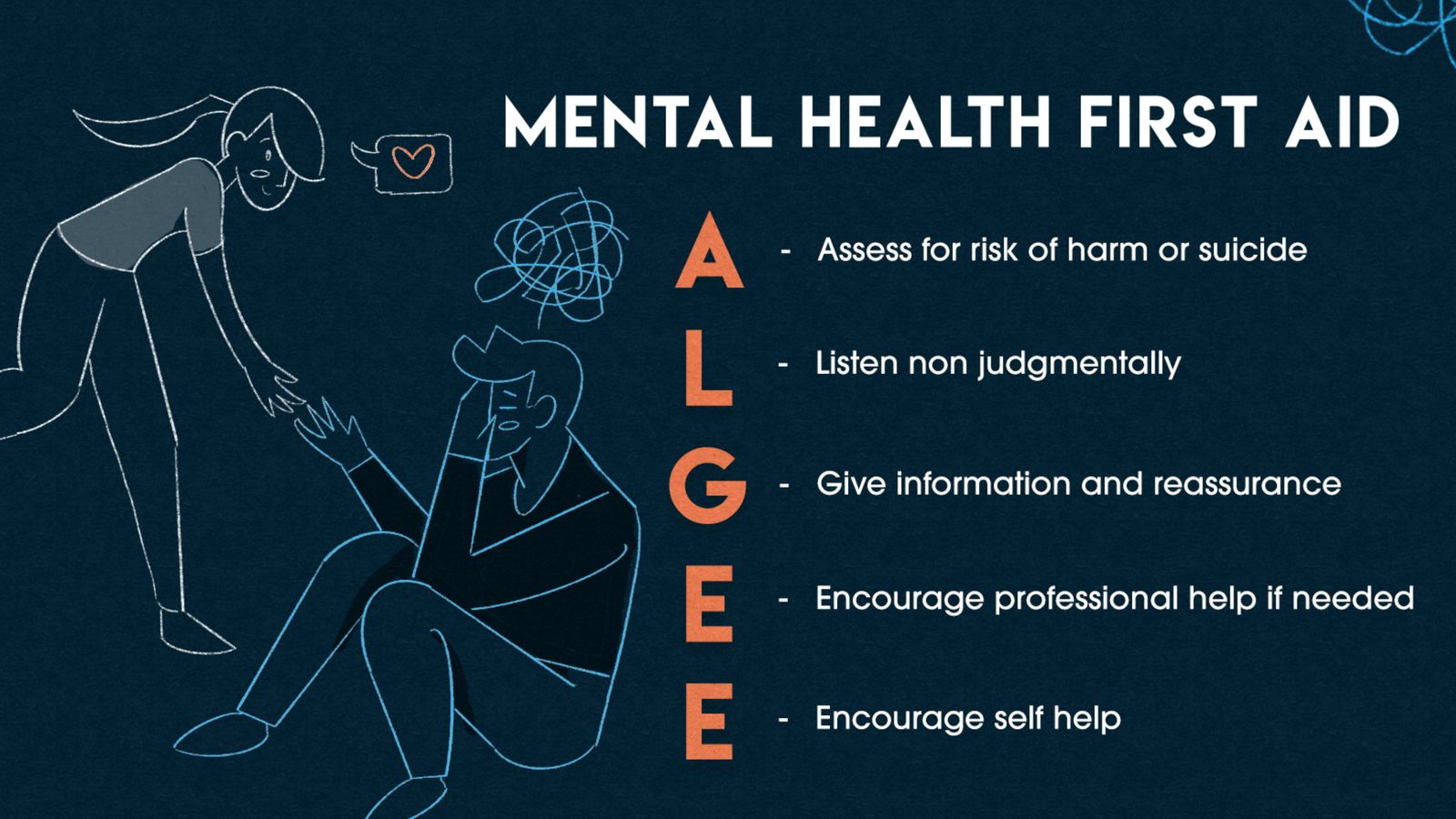
Hearing someone mention suicide is one of the most serious moments you may ever encounter. Whether the comment is subtle or direct, it signals deep emotional distress that requires immediate attention. Many people hesitate because they fear saying the wrong thing, yet silence can be far more harmful. This is where the foundational skills learned in a First Aid Mental Health Course help individuals step in with calm, supportive action rooted in compassion and awareness.
Stay Present, Listen Fully, and Avoid Judgment
The first step is to stay grounded. When someone expresses suicidal thoughts, your presence can be more powerful than you realise. Encourage them to talk, and let them know you are there to listen without criticism. People often mention suicide because they feel trapped or believe no one understands their pain. Listening openly can interrupt those thoughts and create space for safety. This is one of the core principles taught in First Aid Mental Health, as it emphasises how genuine empathy can become a stabilising force during moments of emotional turmoil.
Ask Direct Questions to Understand the Level of Risk
Contrary to common myths, asking someone directly about suicidal thoughts does not increase the risk. Instead, it helps you understand the seriousness of the situation. Questions such as “Are you thinking about harming yourself?” or “Do you have a plan?” allow you to gauge how immediate the danger is. While these conversations may feel uncomfortable, expressing concern directly shows that you take their feelings seriously. A structured learning path like the Mental Health Crisis Response Course teaches how to ask these critical questions with care, sensitivity, and confidence.
Encourage Professional Help and Offer Supportive Options
Once you understand their level of distress, guide them toward professional support. Suggest speaking with a mental health professional, helpline, doctor, or counsellor. If the person is at immediate risk, do not leave them alone. Contact emergency services or accompany them to a safe place where help is available. While you are not expected to diagnose or treat anyone, the goal is to keep them connected until a trained professional can intervene. The strategies you learn in a First Aid Mental Health Course are designed to bridge that gap by offering practical steps that reduce harm and encourage help-seeking.
Create a Safe Environment and Reduce Immediate Dangers
If the person reveals that they have a plan or access to harmful tools, help reduce access to anything that might cause injury. This might involve removing certain items from the environment or guiding them to a calm, monitored space. Encouraging grounding techniques, like breathing exercises or helping them focus on their surroundings, can ease immediate emotional overwhelm. Always remember that your role is not to take control but to create a safer environment where professional help can be reached quickly.
Follow Up After the Crisis Moment
Support doesn’t end when the immediate danger passes. Following up with the person reinforces that they are not alone. A simple message, a phone call, or a check-in can strengthen their sense of connection and prevent isolation from returning. Consistent care shows genuine concern and can significantly influence long-term recovery. First Aid Mental Health education highlights this continued support as a critical part of crisis response and emotional stability.
Final Thoughts
When someone mentions suicide, the most important thing you can do is take it seriously and respond with empathy, clarity, and action. With the right skills, you can guide a distressed person from a place of fear toward safety and professional care. Programs like the Mental Health Crisis Response Course and other First Aid Mental Health training pathways empower everyday individuals to step in confidently during some of life’s most vulnerable moments. By learning and applying these principles, you help build a community where people feel seen, supported, and never left alone in their darkest hours.
