

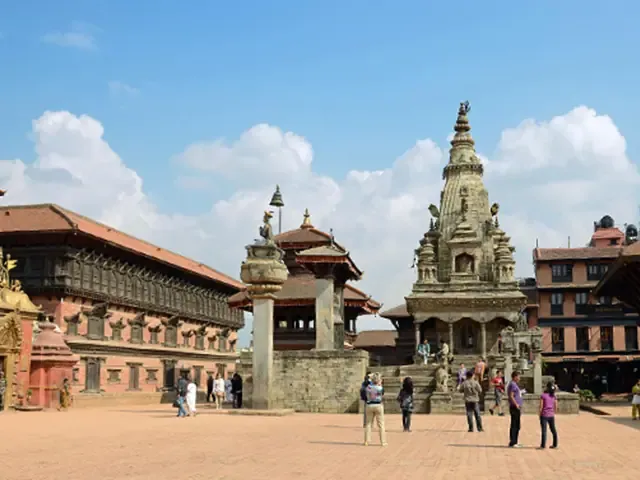
Nepal is an appealing choice for travellers from India because it combines mountain scenery, historic cities, pilgrimage sites, wildlife areas, and a relaxed travel atmosphere within one destination. Even so, a good trip still needs planning, especially when several regions are being combined.
A well-structured Nepal tour package from India can help travellers organise transport, accommodation, sightseeing, and route planning more efficiently. The key is to build the trip around realistic distances and the type of experience each traveller wants.
Decide What You Want From the Trip
Nepal can offer very different holidays depending on the itinerary. Some travellers are interested in temples and cultural sites, while others prefer mountain views, lakes, wildlife, or a slower family holiday.
Choosing the main purpose of the trip helps reduce unnecessary stops. A cultural itinerary may focus on Kathmandu and nearby heritage areas, while a nature-focused trip may give more time to Pokhara or Chitwan.
Start With a Comfortable Trip Duration
Travellers often underestimate how much time is needed between Nepal’s major destinations. A short trip can work well if it stays focused, while a longer holiday allows more regions to be added without making every day feel rushed.
For many visitors, giving each major stop at least two nights creates a more comfortable pace. It also leaves time to enjoy local markets, cafés, viewpoints, and evening walks instead of only following a sightseeing checklist.
Plan Kathmandu and Pokhara Together Carefully
Kathmandu and Pokhara are among the most popular destinations in Nepal, but they offer very different experiences. Kathmandu is known for historic areas, religious landmarks, busy neighbourhoods, and cultural attractions.
Pokhara has a calmer atmosphere, with lake views, mountain scenery, and easier access to outdoor activities. Travellers considering a Kathmandu Pokhara tour from India should allow enough time in both places rather than treating one of them as a quick stop.
Understand the Travel Time Between Cities
Road journeys in Nepal can take longer than the distance suggests. Mountain roads, traffic, weather, and road conditions can all influence travel time between destinations.
Travellers should avoid planning major sightseeing immediately after a long transfer. Keeping part of the arrival day free makes it easier to manage delays and reduces the pressure to follow a fixed timetable.
Choose Hotels Based on Daily Convenience
Hotel location can make a major difference to the experience. Staying close to central areas, restaurants, transport points, or attractions can save time and reduce the need for repeated local travel.
Travellers should also consider breakfast, room size, family facilities, accessibility, and the overall neighbourhood. A convenient hotel can make a simple itinerary feel much more comfortable.
Leave Space for Local Experiences
A good Nepal holiday should not be limited to major monuments and viewpoints. Local meals, neighbourhood walks, markets, cafés, and quiet moments near scenic areas often become an important part of the trip.
Free time is especially useful in places such as Pokhara, where travellers may want to stay longer near the lake or adjust activities according to the weather. A flexible schedule makes the trip feel less controlled.
Check Seasonal Conditions Before Booking
Nepal’s weather can change significantly between seasons, especially in mountain regions. Visibility, rainfall, temperatures, and road conditions can all affect the travel experience.
Travellers should check seasonal conditions before confirming the route. The best time for mountain views may differ from the best time for lower-altitude sightseeing, wildlife trips, or pilgrimage travel.
Keep Travel Documents Organised
Even when travelling from India, it is important to check current entry and identification requirements before departure. Airline rules, transport documents, and hotel identification policies should also be reviewed in advance.
Keeping digital and printed copies of important bookings is useful. Hotel confirmations, transport details, insurance information, and emergency contacts should remain easy to access throughout the journey.
Build Flexibility Into the Itinerary
Weather, road delays, and changing local conditions can affect travel in Nepal. An itinerary with some extra time between major activities is much easier to manage when unexpected changes occur.
Travellers should also avoid planning every day from early morning until late evening. A slightly lighter schedule can make sightseeing more enjoyable and give everyone enough time to rest.
Conclusion
A Nepal holiday from India becomes much more enjoyable when it is planned around realistic travel times, comfortable hotel locations, seasonal conditions, and a clear idea of what the traveller wants to experience.
By keeping the itinerary focused and allowing enough time in major destinations such as Kathmandu and Pokhara, travellers can enjoy the journey without turning it into a race. A balanced plan creates more room for scenery, culture, food, and the slower experiences that often make Nepal memorable.