

A blocked or muffled ear can be uncomfortable and distracting, particularly when it affects hearing, sleep, or concentration. One common cause is a buildup of earwax, although similar symptoms can also develop from infection, pressure changes, or other ear conditions.
People considering ear wax removal should first make sure the blockage is actually caused by wax. A clinical assessment can help identify the problem and reduce the risk of treating the wrong condition at home.
Earwax Has an Important Role
Earwax is not simply dirt that needs to be removed regularly. It helps trap dust and small particles while also protecting the ear canal from irritation and dryness.
In most people, wax naturally moves towards the outer part of the ear and falls away. Problems may arise when too much accumulates or when wax becomes impacted deeper inside the ear canal.
Know the Signs of a Possible Buildup
Earwax buildup may cause a feeling of fullness, reduced hearing, mild discomfort, or a blocked sensation. Some people may also notice ringing or a change in how their own voice sounds.
These symptoms do not always mean wax is the cause. Ear infections and other conditions can produce similar complaints, so persistent or worsening symptoms should be assessed rather than assumed to be simple blockage.
Avoid Inserting Objects Into the Ear
Cotton buds and other small objects are commonly used for ear cleaning, but they can push wax further into the canal. This may make blockage worse and can irritate the delicate skin inside the ear.
Inserting objects too deeply can also injure the ear canal or eardrum. Cleaning should generally be limited to the outside of the ear unless a healthcare professional has advised a specific method.
When Professional Cleaning May Help
People searching for ear cleaning near me may benefit from professional assessment when blocked-ear symptoms persist or interfere with hearing.
A clinician can examine the ear before recommending removal. The method used may depend on how much wax is present, its consistency, the condition of the ear canal, and the patient’s medical history.
Different Removal Methods May Be Considered
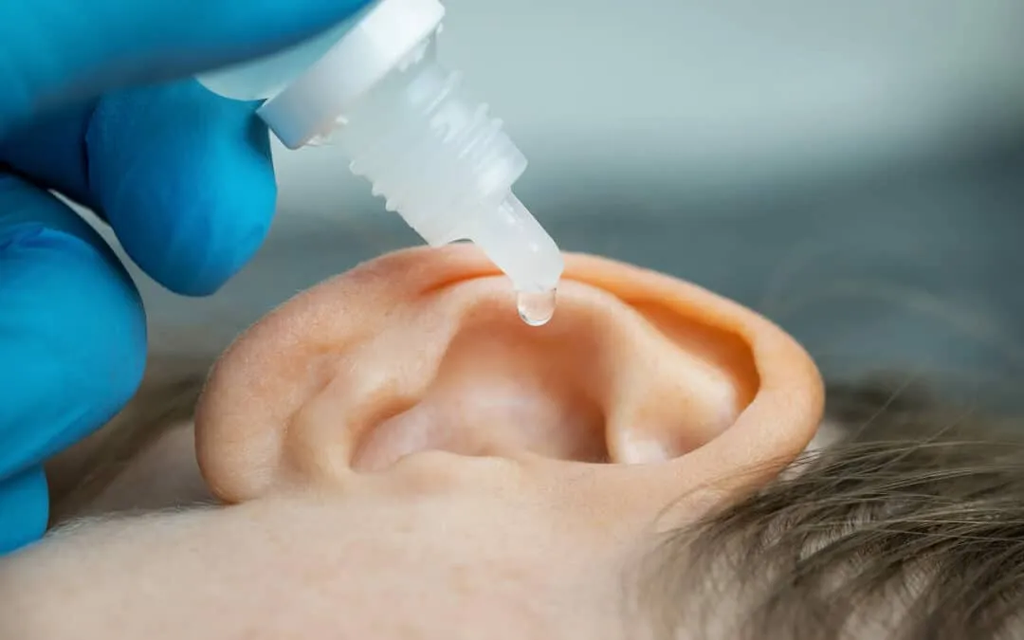
Earwax can sometimes be managed using softening drops before removal, depending on individual circumstances. In other cases, a clinician may use suction or another appropriate technique after examining the ear.
Not every method is suitable for every patient. Previous ear surgery, a perforated eardrum, infection, or other ear conditions may influence which approach is considered safe.
Some People Develop Wax More Often
Certain people are more likely to experience repeated buildup. Narrow ear canals, frequent use of earphones or hearing aids, and natural differences in earwax production may all contribute.
If blockage keeps returning, patients can ask a healthcare professional whether any preventive steps are appropriate. Repeated aggressive cleaning at home is usually not the best solution.
Know When Symptoms Need More Attention
Ear pain, discharge, bleeding, fever, sudden hearing loss, significant dizziness, or rapidly worsening symptoms should not be treated as routine earwax problems without assessment.
These symptoms may indicate another ear condition that needs medical attention. Sudden hearing changes in particular should be evaluated promptly rather than waiting to see whether the problem clears on its own.
Prepare for the Clinic Visit
Patients can help by explaining when the blockage began, whether it affects one or both ears, and whether there is pain, ringing, discharge, or hearing difficulty.
They should also mention previous ear surgery, eardrum problems, hearing aids, or repeated infections. This information can influence how the clinician examines and manages the ear.
Follow Aftercare Advice
After professional cleaning, some people notice an immediate improvement in the blocked sensation, while others may still need further assessment if symptoms continue.
Patients should follow any aftercare instructions provided and avoid inserting objects into the ear afterwards. If pain, discharge, or hearing changes develop after treatment, they should seek review.
Do Not Assume Every Hearing Change Is Wax
Earwax is common, but it is only one possible reason for reduced hearing. Fluid, infection, injury, or other ear conditions can also change hearing.
If symptoms remain after wax has been removed, further evaluation may be needed. Proper diagnosis is more important than repeatedly attempting ear cleaning without knowing the cause.
Conclusion
Earwax usually manages itself naturally, but sometimes it builds up enough to cause blockage, discomfort, or reduced hearing. In these situations, professional assessment can help confirm whether wax is responsible and whether removal is appropriate.
Safe ear care means avoiding unnecessary insertion of objects, paying attention to persistent symptoms, and seeking medical advice when hearing changes, pain, discharge, or other concerning signs appear. The goal is not simply to clean the ear, but to protect hearing and treat the correct underlying problem.