

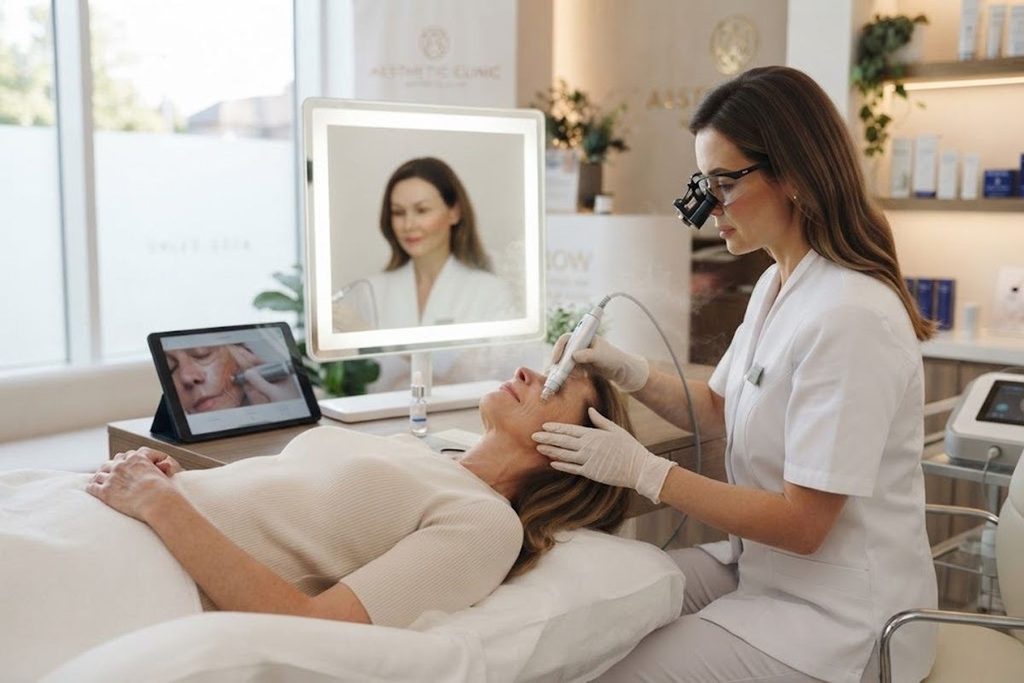
Aesthetic treatments are not one-size-fits-all. As you move through different stages of life, your skin, facial structure, lifestyle, and beauty goals naturally change. A treatment that worked beautifully in your 20s may not provide the same results in your 30s, 40s, or beyond. This is why your aesthetic treatment plan should evolve with you rather than remain the same year after year.
The goal of aesthetic care is not simply to make you look younger. It is about maintaining healthy-looking skin, supporting your natural features, and addressing changes in a thoughtful way. Understanding how your needs change with age can help you make better-informed decisions and achieve results that look balanced and natural through a personalized treatment plan based on your age.
Why Should Treatment Plan Change With Age?
1. Your Skin Changes
One of the biggest reasons to update your aesthetic treatment plan is that your skin changes over time. Younger skin generally has stronger collagen and elastin production, while these processes gradually slow with age. This can contribute to fine lines, dryness, uneven texture, and reduced firmness.
Because your skin’s needs evolve, treatments should evolve too. In your younger years, your focus may be prevention and maintaining skin quality. Later, you may benefit more from treatments designed to improve texture, hydration, firmness, or the appearance of established signs of aging. A personalized treatment plan based on your age can help address these changing needs effectively.
2. Collagen Production Declines
Collagen provides structure and firmness to the skin. As you age, your body naturally produces less of it, which can lead to changes in skin elasticity and facial appearance.
An aesthetic professional can help determine which treatments are appropriate for supporting skin quality at different ages. Rather than waiting for significant changes to appear, many people choose a gradual approach that focuses on maintaining their appearance over time.
3. Facial Volume Shifts
Aging does not only affect the skin. Fat distribution and facial volume can also change. Some areas may lose volume, while others may appear fuller because of natural changes in facial structure.
This means that treatments focused on facial contours may need to be reconsidered as you age. A plan designed for a younger face may not be suitable later in life. The emphasis may shift toward restoring balance and preserving natural proportions rather than simply adding volume.
4. Your Facial Structure Evolves
Your face continues to change as you get older. Changes in bone structure, soft tissue, muscle activity, and skin elasticity can gradually affect the appearance of the cheeks, jawline, eyes, and other facial features.
For this reason, aesthetic planning should involve an assessment of your current facial structure rather than relying on treatments you previously received. A personalized approach can help ensure that procedures complement your present features.
5. Your Treatment Goals Change
Your priorities may be completely different at different stages of life. In your 20s, you might focus on skin clarity, prevention, or enhancing particular features. In your 30s and 40s, you may become more interested in addressing fine lines, pigmentation, or changes in firmness through a personalized treatment plan based on your age.
Later, your priority may be maintaining a refreshed appearance while preserving your natural identity. Since your goals change, your treatment plan should change with them.
6. Skin Recovery May Differ
The way your skin responds to aesthetic procedures can vary with age. Factors such as skin thickness, hydration, lifestyle, and overall skin condition can influence recovery.
As you get older, your practitioner may recommend adjusting treatment intensity, frequency, or aftercare. A treatment schedule that was comfortable and effective several years ago may need modification to suit your current skin.
7. Prevention Becomes Maintenance
Aesthetic care often shifts from prevention to maintenance as you age. Earlier in life, skincare and occasional treatments may focus on protecting your skin and reducing the likelihood of visible damage. Understanding preventative vs. restorative skin treatments can help you recognize when your priorities should shift. With time, the emphasis may move toward maintaining firmness, improving texture, and managing existing concerns.
A long-term plan can therefore be more useful than repeatedly choosing treatments based on short-term trends. Regular professional assessments can help determine when adjustments are appropriate and which treatments continue to make sense for your current needs.
8. Lifestyle Influences Your Results
Your lifestyle can change significantly throughout adulthood. Work demands, stress, sleep patterns, diet, sun exposure, exercise, and other habits can all influence your skin and overall appearance.
For example, someone who spends more time outdoors may have different skin concerns than someone who works indoors. A personalized treatment plan based on your age should also consider your lifestyle and changing needs.
Some important considerations include:
- Daily sun exposure and sunscreen habits
- Changes in skincare routines
- Stress and sleep patterns
- Hydration and nutrition
- Major lifestyle changes
These factors can influence how your skin looks and how well it responds to treatments.
9. Over-Treatment Can Become a Concern
Repeating the same procedures simply because they worked in the past can sometimes result in an approach that no longer matches your needs. More treatment does not automatically mean better results.
As your appearance changes, reassessing previous treatments becomes increasingly important. A skilled aesthetic professional can help determine whether you still need a particular procedure, whether the frequency should be reduced, or whether another approach would better suit your current features.
The objective should always be harmony and balance. Treatments should enhance your appearance without making it look overly altered.
10. Technology and Techniques Improve
Aesthetic medicine continues to evolve. New technologies, techniques, products, and approaches are introduced over time. As you age, you may have access to options that were not available when you first started receiving aesthetic treatments.
This is another reason to review your plan periodically. Your practitioner may identify newer or more suitable options for your current concerns. However, newer does not automatically mean better for everyone. Treatment selection should always be based on your individual needs, medical history, skin condition, and desired outcome.
What Sets New You Aesthetics Apart?
New You Aesthetics takes a personalized approach to aesthetic care, offering treatments designed to refresh your appearance while complementing your natural features. As a med spa in Crown Point, Indiana, its focus is on helping clients feel confident and comfortable with their appearance.
With an emphasis on individualized care, New You Aesthetics considers each person’s unique goals and changing aesthetic needs. Its treatments are designed to enhance what makes you uniquely you, creating a refreshed look without losing your natural identity.
Final Thoughts
Your face and skin are constantly changing, so your aesthetic treatment plan should not remain frozen in time. From changing collagen levels and facial volume to evolving lifestyle habits and personal goals, there are many reasons to reassess your approach as you get older. A personalized treatment plan based on your age can help ensure that your aesthetic choices continue to match your changing needs.
The best aesthetic strategy is one that adapts gradually. Instead of chasing every new trend or repeating the same treatment indefinitely, focus on what your skin and features need today. With thoughtful planning, professional guidance, and realistic expectations, aesthetic treatments can support your appearance through every stage of life while helping you maintain results that feel natural and authentically yours.
