

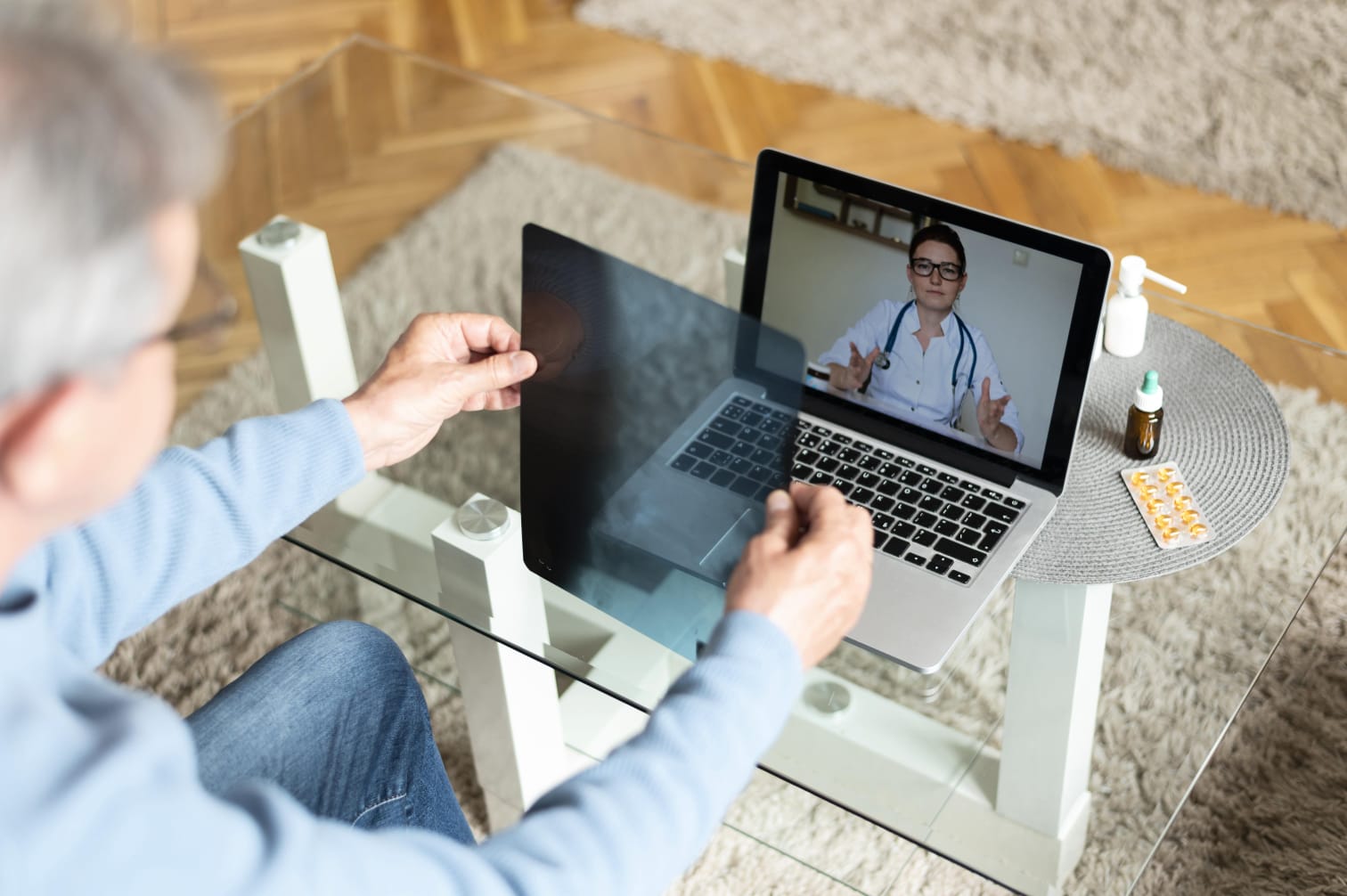
Remote patient monitoring (RPM) has ceased to be a niche idea to become the cornerstone of contemporary healthcare. With providers seeking methods to offer high-quality care outside of the clinic walls, RPM companies are filling this gap, offering technologies that allow continuous and data-driven care to become viable and feasible. It is not only a convenience change but also redefining the interaction between patients, clinicians, and health systems, both to drive better outcomes and to become more efficient at scale.
Why is Remote Patient Monitoring Important?
The demand for active, easily available care has boomed with a growing burden on healthcare systems in the face of chronic illnesses, aging, and shortages of clinicians. RPM helps to overcome these problems by providing clinicians with real-time information about patients, including daily health parameters, both vital signs and medication adherence. Rather than relying on the escalation of symptoms, the care teams will be able to act in the early phases of the illness, avoiding unnecessary hospitalizations and enhancing the long-term outcomes.
Patients are more willing to receive care at their point of need, and RPM allows this to happen. In patients with conditions such as hypertension, diabetes, COPD, and heart disease, daily monitoring gives hope and enhances commitment to the self-management process.
How a Modern RPM Company Creates Value
RPM companies of today offer a lot more than devices. They provide single-source platforms that have user-friendly hardware, safe data transfer, analytics, and clinical control. These companies enable clinicians to predict the risk of patients by monitoring them before developing complications through smooth onboarding, workflow management, and intelligent alerts.
A good RPM partner is concerned with reliability and convenience. Devices will automatically be connected, dashboards will summarize the data in an understandable and useful manner, and alerts will isolate meaningful trends over minor fluctuations. The most favorable solutions are those that are integrated into clinical workflows that allow the providers to concentrate on patient care rather than technology troubleshooting.
Improving Clinical Outcomes Through Real-Time Insights
The ability of RPM to bridge the gaps that were generated by the traditional episodic care is one of its key benefits. Clinicians receive continuous data instead of having periodic office visits and patient recollection as the basis of their work. Such an understanding enables them to make timely and effective changes to treatment plans.
Research always demonstrates the fact that the patients who participated in RPM programs have better blood pressure control, reduce the number of emergency department visits, and are more satisfied with their treatment. Early indications of deterioration are detected, and interventions become easier, quicker, and cheaper. This evidence-based practice is transforming the management of chronic diseases by making care reactive to proactive health stewardship.
A Patient Experience Designed for Simplicity
To be successful, RPM should be effectively implemented among individuals of various ages and technical backgrounds. The best organizations spend a lot of money on eliminating friction in all the steps. Devices come pre-assembled and can be used immediately off the shelf, readings are automatically sent, and the various language options guarantee easy access for all and varied populations.
The feeling of connection that RPM offers is valued by patients. Although they may be miles away from a clinic, they are aware that somebody is keeping track of their health. A lot of them claim to be more motivated and confident upon seeing the visualization of their daily progress. This emotional support, combined with clinical supervision, forms a solid background to long-term compliance.
Empowering Clinicians While Reducing Burnout
There are growing expectations on healthcare providers, and in most cases, technology actually increases their burden instead of decreasing it. Successful RPM companies realize this fact and develop systems that provide clinicians with more control and not more work. Smart alerts save time and help avoid fatigue by notifying about changes only with clinical significance.
Dashboards with a centralized focus enable care teams to track the whole population at a glance, focus outreach, and record interventions with ease. RPM helps clinicians save more time by automating the mundane data collection and allowing them to check in remotely, thus dedicating their time to more meaningful interactions with patients and complex decisions.
Final Thoughts
Remote patient monitoring is transforming the healthcare industry, and businesses that are leading in this movement are demonstrating that technology can enhance human relationships and not diminish them. RPM is one of the most significant changes in digital health by enabling patients, managing clinicians, and enhancing outcomes. With its faster adoption, the volume of its effect will only increase, resulting in a robust and adaptable healthcare sector for all.