

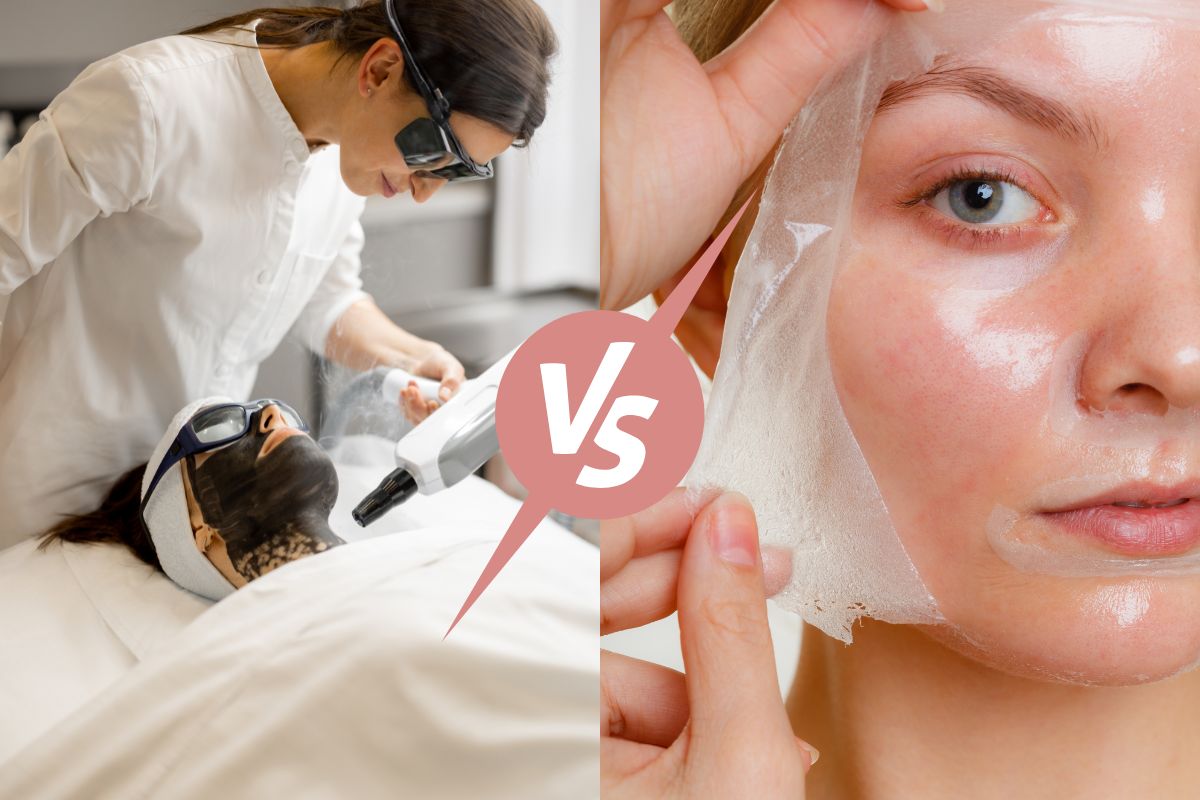
When it comes to skin rejuvenation and maintaining a youthful glow, the plethora of options available can be overwhelming. Two commonly pitted contenders in the world of aesthetic beauty treatments are medi peels and traditional facials. Both have their unique benefits, methodologies, and target concerns. Within this article, we unravel the distinctions between these popular procedures, providing insights into how each treatment works and whom it might benefit the most.
Understanding Traditional Facials
Traditional facials, touted for their relaxation and pampering qualities, have been a staple in beauty routines for decades. These standard treatments generally involve a sequence of cleansing, exfoliating, extracting, massaging, and masking. The goals of such facials are to promote a clear, well-hydrated complexion and to help maintain the balance of the skin. They are highly customisable and cater to those looking for a routine clean-up or those who simply wish to relax.
Facials can be tailored to address various skin concerns – from acne and oily skin to dryness and sensitivity. However, while traditional facials can be effective at surface-level improvement, they often lack the potency to correct deeper skin issues or reverse long-term damage. That being said, they remain an essential component in regular skin maintenance and are especially effective when coupled with a consistent at-home skincare regimen.
The Rise of Medi Peels
In contrast to traditional facials, medi peels – also known as medical-grade chemical peels – are a more intensive solution. They involve the application of chemical solutions to exfoliate dead skin cells aggressively, promote skin renewal, and manage a host of skin issues. Medi peels can range from light, superficial peels, which require no downtime, to deeper peels that target more severe imperfections and involve a significant healing period.
Medi peels are primarily used to reduce the appearance of wrinkles, scars, and hyperpigmentation. They work by removing the outermost layers of skin to reveal fresher, more youthful skin underneath. This process of chemical exfoliation can also stimulate the production of new collagen, thereby improving skin texture and firmness. The precision and strength of medi peels make them a powerful tool for those seeking noticeable and lasting improvements to their skin’s appearance.
Key Differences Between Medi Peels and Traditional Facials
One of the starkest differences lies in the level of expertise required to administer each treatment. Traditional facials can be performed by aestheticians and beauty therapists, while medi peels should only be conducted by qualified professionals such as dermatologists or certified skincare specialists. Due to the nature of the chemicals used in medi peels, it’s vital that they are handled with care and applied correctly to avoid any adverse reactions.
The intensity of the results is another distinguishing factor. While traditional facials majorly offer superficial cleansing and relaxation, medi peels provide more drastic improvements in skin texture, tone, and appearance. Furthermore, medi peels often have a more extensive recovery time, with patients sometimes experiencing peeling and redness post-treatment – a stark difference from the no-downtime allure of traditional facials.
Medi peels also encompass a wider variety of treatment options, each tailored to target specific concerns. The depth of the peel – light, medium, or deep – will be chosen based on the individual’s skin type, concern, and the desired outcome. In stark contrast, traditional facials are more about the experience and general skin health rather than targeted solutions.
Which Treatment Should You Choose?
The choice between a medi peel and a traditional facial should hinge upon your skin’s needs, your cosmetic goals, and your availability for potential downtime. Those looking for a relaxing experience and general skincare maintenance may opt for traditional facials. Facials can be a monthly indulgence to keep the skin clear and hydrated, while also serving as a moment of rest and self-care.
For those in pursuit of correcting more pronounced skin concerns, such as reducing the appearance of fine lines, sun damage, or scarring, medi peels can be a more appropriate option. It’s important to seek a reputable company that offers scientifically-formulated, skincare solutions, such as Pelactiv, ensuring the effectiveness and safety of the peel being applied.
Choosing the right skin treatment is a personal journey and should be made after careful consideration and consultation with a skincare professional. Whether integrating a medi peel as part of a longer-term skin care plan or indulging in a traditional facial for more immediate rejuvenation, the ultimate goal remains the same: to attain healthy, luminous skin.
Conclusion
The differences between medi peels and traditional facials reflect a wider conversation about personal skincare objectives and preferences. While traditional facials address surface-level issues and provide a much-needed break from the daily grind, medi peels tackle more profound skin transformations with lasting outcomes. When choosing between these two, consider factors such as treatment depth, duration of effects, recovery time, and overall skin health objectives.
In this evolving landscape of skincare, the capacity to choose between indulgent experiences and advanced corrective procedures is a luxury in itself. Regardless of the choice, the end goal of healthy, radiant skin remains a timeless pursuit. Always remember to consult with a qualified skincare professional to determine the best route for your specific skin condition and to invest in trusted brands for any at-home skincare regimens.
