

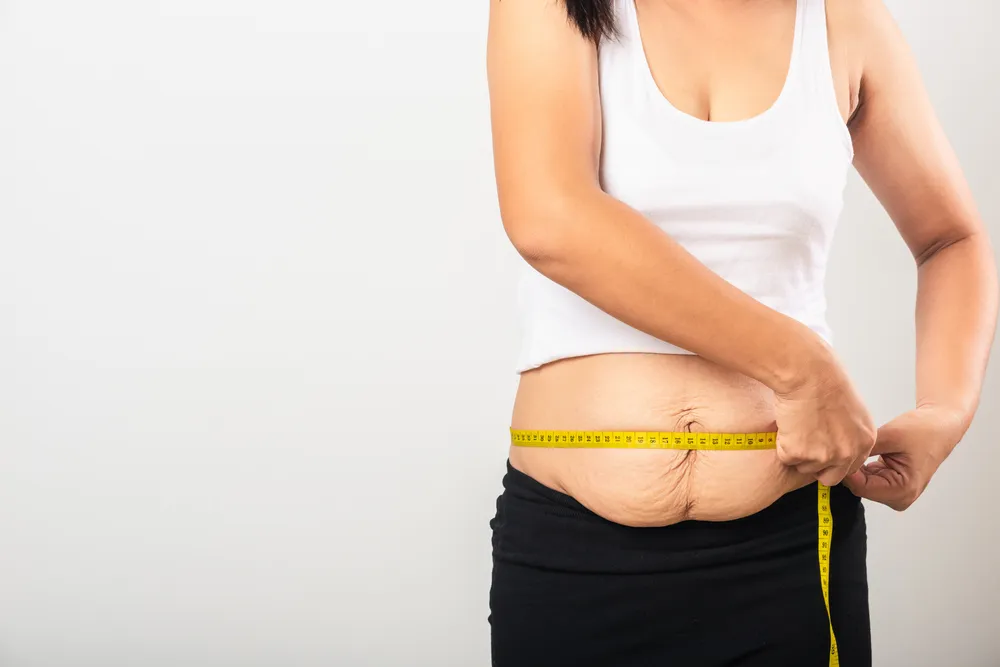
A fuller abdomen can have several causes, and not all respond to the same treatment. Fat beneath the skin, deeper fat around the organs, loose skin and changes in the abdominal wall can all affect how the stomach looks. Body-contouring decisions should therefore begin with an assessment rather than the assumption that any visible abdominal fullness can simply be suctioned away.
For someone considering liposuction Kuala Lumpur, the important question is whether the concern is mainly localised subcutaneous fat. Liposuction can remove selected fat deposits beneath the skin, but it is not designed to treat every form of abdominal fullness or replace weight management.
Subcutaneous and Visceral Fat Are Different
Subcutaneous fat sits beneath the skin and above the muscle layer. It is the softer fat that can often be pinched around the abdomen or waist.
Visceral fat is located deeper inside the abdomen around the internal organs. Mayo Clinic distinguishes this internal fat from the subcutaneous layer and notes that excessive visceral fat is associated with important health risks.
Liposuction works on accessible subcutaneous fat. It does not reach the deeper visceral fat surrounding abdominal organs.
Why This Difference Matters for Liposuction
A person can have a prominent abdomen even without a large amount of pinchable fat. If deeper visceral fat contributes significantly to the shape, liposuction will not correct that component.
Professional plastic-surgery guidance similarly describes ideal candidates as people with localised subcutaneous fat rather than visceral fat. This makes physical assessment important before deciding whether liposuction is suitable.
The goal is contouring a selected layer of fat, not reducing internal abdominal fat or treating obesity.
Belly Fat Removal Needs an Accurate Assessment
Patients researching belly fat removal Malaysia may use the phrase to describe different concerns. One person may have a localised lower-abdominal deposit, while another may have loose skin after pregnancy, significant visceral fat or a combination of changes.
Those situations require different discussions. A surgeon may assess subcutaneous fat, skin elasticity, abdominal-wall condition and overall body weight before suggesting a plan.
Using one general phrase such as “belly fat” can therefore hide important anatomical differences.
Loose Skin Is Another Separate Problem
Liposuction removes fat; it does not remove large amounts of stretched or hanging skin.
After pregnancy, ageing or major weight loss, the abdomen may have skin laxity even when excess fat is limited. Removing more fat in a patient with poor skin elasticity can sometimes make looseness more noticeable.
When substantial skin excess is the main concern, a tummy tuck or another body-contouring procedure may need to be discussed instead.
The Abdominal Wall Can Affect Shape
Pregnancy can contribute to separation or weakening of the abdominal muscles, while posture and other structural factors can also influence the profile.
Liposuction does not repair muscle separation. A patient whose abdomen projects mainly because of abdominal-wall changes may therefore obtain limited improvement from fat removal alone.
A consultation should identify whether the visible contour comes from fat, skin, muscle changes or more than one factor.
Liposuction Is Not a Weight-Loss Procedure
Liposuction is intended for body contouring rather than substantial weight reduction. Patients are generally better candidates when they are relatively close to a stable weight and have specific areas of subcutaneous fat that remain despite broader weight-management efforts.
Removing fat cells from one region also does not prevent future weight gain. Remaining fat cells can enlarge if body weight increases later.
Maintaining a stable weight and healthy habits therefore remains important after surgery.
Skin Quality Influences the Final Contour
Good skin elasticity can help the skin settle more smoothly after fat is removed. Age, genetics, previous pregnancies and large weight changes can all influence how well the skin adapts.
This is one reason two patients with similar amounts of abdominal fat may receive different recommendations. The amount of fat is only one part of the assessment.
Understand the Risks
Liposuction is surgery and carries potential complications. These can include bleeding, infection, fluid accumulation, changes in sensation, contour irregularities, asymmetry and the possibility of revision treatment.
The extent of treatment, medical history and general health can influence risk. Patients should understand the proposed treatment area, expected recovery and signs that require medical review.
Conclusion
Not all abdominal fullness is the same. Subcutaneous fat, visceral fat, loose skin and abdominal-wall changes can create similar outward concerns while requiring different management.
Liposuction is designed to contour selected subcutaneous fat deposits, not remove visceral fat, tighten major skin excess or repair weakened muscles. A careful assessment can identify which tissues are contributing to the abdominal shape and whether liposuction, another procedure or non-surgical weight management is the more appropriate direction.
