

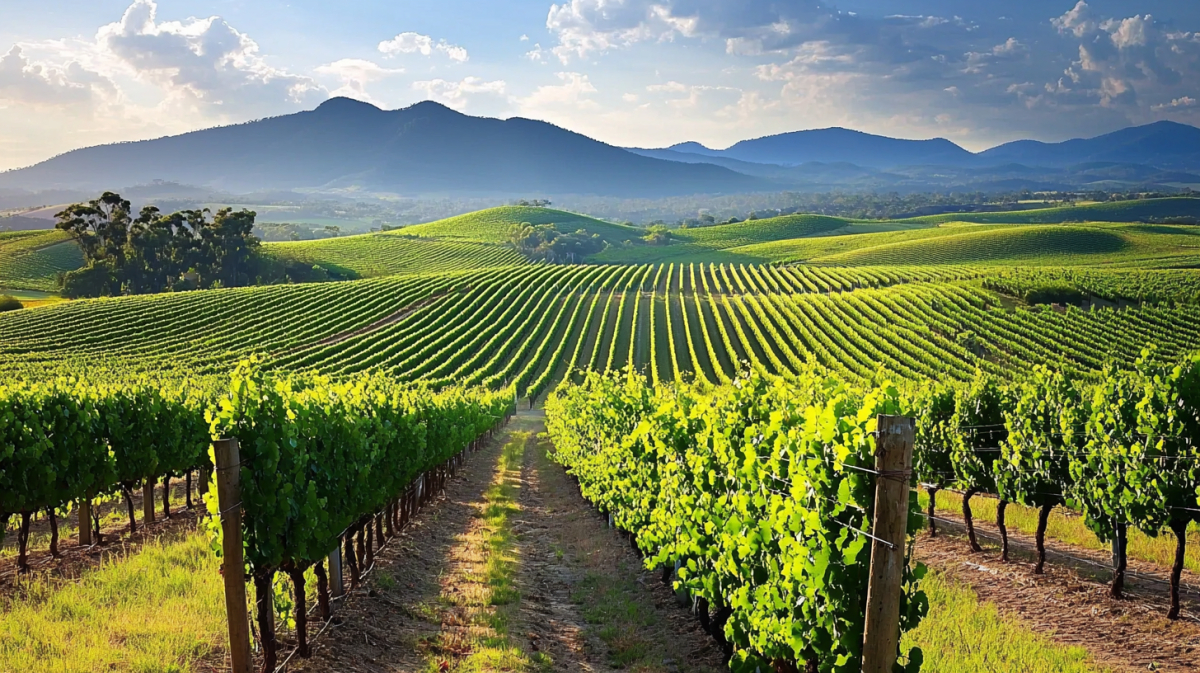
The world is increasingly seeking sustainable and environmentally friendly products, and the wine industry is no exception. The organic wine Hunter Valley movement is part of a global shift towards organic viticulture and wine production that focuses on the environmental impact of winemaking. This article explores how Hunter Valley, Australia’s oldest wine region, is pioneering this revolution and what sets its organic wine apart.
Sustainable Viticulture in Hunter Valley
Hunter Valley has long been a prominent name in the wine industry, known for its exceptional varieties and innovative winemaking techniques. However, in recent years, the region has gained recognition for something more: its dedication to sustainable viticulture. Vineyards across Hunter Valley have adopted organic farming practices, eliminating the use of synthetic pesticides and fertilisers to ensure the health and longevity of their vineyards.
What is Organic Wine?
Organic wine is produced from grapes grown in accordance with the principles of organic farming. These principles emphasise the use of natural substances while prohibiting synthetic ones. The goal is to foster a harmonious relationship with the environment, enhancing soil fertility and biodiversity without the input of harmful chemicals. Organic wine production also extends to the winemaking process, where additives are minimised and strictly regulated.
The Benefits of Organic Wine Production
Transitioning to organic wine production offers numerous benefits, both ecological and oenological. By employing organic practices, winemakers in the Hunter Valley are enriching their soils, conserving water, and protecting local ecosystems. In terms of wine quality, many argue that organic wines express a truer representation of the terroir, with more pronounced flavours and aromas.
Economically, the demand for organic wine is on the rise, with consumers increasingly drawn to products that are not only better for them, but also for the planet. This market trend provides an incentive for vineyards in Hunter Valley to invest in organic wine production.
Challenges of Organic Winemaking
Despite the clear advantages, the organic wine revolution does not come without challenges. Organic farming typically requires more labour and attention to detail as winemakers must find natural ways to manage pests and diseases. Moreover, the conversion process from conventional to organic can be time-consuming and costly, with vineyards undergoing a strict certification process.
Nevertheless, many winemakers in Hunter Valley are taking the plunge, driven by a commitment to quality and sustainability. The advantages, particularly in terms of the quality of the end product and the long-term health of the vineyards, are deemed to more than compensate for the initial hurdles.
The Certification of Organic Wines
In order for a wine to be labelled as ‘organic’, it must meet stringent certification standards, which vary by country but generally include the restriction of synthetic inputs and the maintenance of detailed records. Certification bodies ensure that winemakers adhere to these standards, resulting in a product that is transparent in its adherence to organic principles.
In Hunter Valley, this certification acts as a mark of quality and commitment to environmental stewardship, helping vineyards to stand out in both domestic and international markets.
The Consumer’s Role in the Organic Wine Revolution
Consumers have a significant impact on the organic wine movement. By choosing organic wines, they send a message to the industry about the importance of sustainable practices. This consumer-driven demand fosters the growth of organic viticulture, encouraging more winemakers to consider the long-term benefits of this approach.
For those visiting the Hunter Valley, the experience of tasting organic wine at the source is unparalleled. It provides insight into the dedication of local producers who strive for excellence in sustainability and quality. Visitors can witness first-hand how these wines are crafted, often with opportunities to engage with winemakers and learn about their organic practices.
The Future of Organic Wine in Hunter Valley
The organic wine revolution in Hunter Valley is only gaining momentum. As global awareness and demand for environmentally conscious products grow, the region appears set to become a key player in sustainable viticulture. Investment in research and education is increasing, as local winemakers and viticulturists continue to explore new techniques and innovations that align with organic principles.
Furthermore, the success of Hunter Valley’s organic movement is inspiring other wine regions around the world. It demonstrates the viability of organic wine production at scale without compromising on quality or tradition. The implications of this for the future of the global wine industry cannot be overstated.
Conclusion
The organic wine revolution is a testament to the adaptability and forward-thinking nature of viticulture in Hunter Valley. By embracing sustainable practices, Hunter Valley is not only leading the way in producing organic wines but is also setting a benchmark for environmental responsibility in the wine industry. For enthusiasts and novices alike, the organic wine Hunter Valley offers a taste of the future—one that pairs environmental stewardship with exceptional quality.
The commitment to sustainable wine production is more than a trend; it is a movement that reflects the evolving values of consumers and the industry’s capacity for innovation. As Hunter Valley continues to champion this cause, it secures its position as a pioneer of organic wine, promising a greener and more flavourful future for all.
