Yes, yeast protein powder can support muscle gain, but with one condition: it has to be used as part of a proper training and nutrition routine. No protein powder, whether whey, soy, pea, rice, or yeast, builds muscle on its own. Your body still needs resistance training, enough total protein, enough calories, sleep, and recovery.
So if your main question is, “Can I use yeast protein for muscle gain?” the answer is yes. But let’s be clear about how it actually works.
Key Takeaways
- Yeast protein powder can support muscle gain when it is paired with resistance training, enough total protein, sleep, and recovery.
- Nutrabox Yeast Protein provides 25.3g protein per serving and contains all 9 essential amino acids, making it a complete dairy-free protein option.
- It may suit vegans, lactose-intolerant users, beginners, and people who feel bloated with whey but still want post-workout protein support.
What Is Yeast Protein Powder?
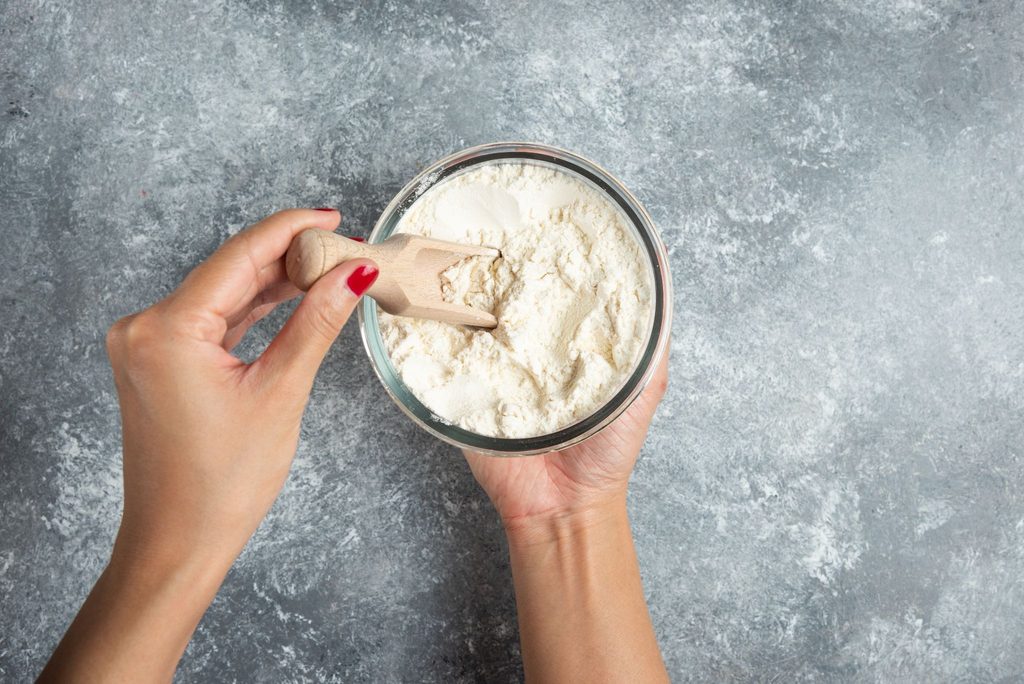
Yeast protein powder is derived from yeast using a controlled fermentation process. Selected strains of yeast are grown under controlled conditions and processed into an ingredient rich in protein. Yeast protein is often categorized under single-cell protein in nutrition science, which is protein from microorganisms like yeast, fungi, bacteria or algae.
Nutrabox Yeast Protein uses 86.29% yeast protein isolate, along with cocoa powder, coconut milk powder, pink salt, stevia, thaumatin, MCT powder, guar gum, and sunflower lecithin. The product is also listed as non-GMO, gluten-free, naturally sweetened and flavoured, with no added preservatives or artificial colours.
A 2022 review on yeast biomass notes that yeast can contain more than 40% protein and may provide several essential amino acids at levels that meet or exceed FAO/WHO human diet requirements. That is one reason yeast-based proteins are being studied as serious alternative protein sources.
How Does Muscle Gain Actually Happen?
When you lift weights or do resistance training, your muscle fibres experience stress. Then your body repairs and rebuilds these. When the training stimulus is strong enough and nutrition is sufficient, muscles adapt over time by getting bigger and stronger.
Protein is important because it provides amino acids, the building blocks your body uses to grow and repair muscle. “Resistance exercise and protein intake both stimulate muscle protein synthesis and they work together when protein is consumed around the workout window,” says the International Society of Sports Nutrition.
ISSN also recommends a daily protein intake of around 1.4–2.0g per kg of body weight per day for most exercising individuals who want to build or maintain muscle.
Yeast Protein Powder for Muscle Gain: What Makes It Useful?
It Gives a Strong Protein Serving
Nutrabox Yeast Protein provides 25.3g protein per serving. That sits in the practical range most fitness users look for in a protein shake. ISSN notes that general protein doses of around 20–40g high-quality protein are commonly recommended around training, depending on body size, age, and goals.
This makes yeast protein powder useful after workouts, between meals, or on days when your meals fall short.
It Is Dairy-Free
Many people want to use whey but do not tolerate it well. Some feel bloated. Some feel heavy. Some are lactose intolerant. Some simply avoid dairy. Nutrabox Yeast Protein is naturally free from lactose, soy, and gluten, making it relevant for people with sensitive digestion or specific diet preferences.
It Can Support Recovery
Muscle recovery depends on protein intake, sleep, hydration, training load and general diet. So yeast protein powder can help you on the protein part, by providing amino acids after training.
Nutrabox promotes its yeast protein for muscle recovery, daily protein intake and long-term use. Depending on your schedule, you can take it post-workout, between meals or in the morning.
Yeast Protein vs Whey for Muscle Gain
Whey is still the more established protein for muscle building because it has a long research history and high leucine content. It’s also often consumed post-workout as many people digest it quickly.
But there’s another benefit to yeast protein: non-dairy, complete, and formulated for easier digestion. Yeast protein powder is something that may be easier to use consistently for people who find whey makes them feel bloated or uncomfortable.
The better choice depends on the person:
| Goal or Concern | Better Fit |
| You digest dairy well and want a classic post-workout protein | Whey protein |
| You avoid dairy or lactose | Yeast protein powder |
| You want a vegan-friendly complete protein | Yeast protein powder |
| You want the most researched gym protein | Whey protein |
| You feel bloated with whey or regular plant proteins | Yeast protein powder may suit better |
| You need a protein shake that fits daily use | Either, based on digestion and preference |
How to Use Yeast Protein Powder for Muscle Gain
The simplest way is to take one serving after your workout or between meals when your protein intake is low. Nutrabox recommends mixing one 35g scoop with 200–250ml cold water or milk and using 1–2 servings daily based on protein needs. It can also be added to smoothies, oats, pancakes, or other recipes.
For muscle gain, do not rely only on the shake. Also, center your meals around high-protein foods. For instance, based on your diet, you can pair your protein powder with dal, soy, paneer, tofu, eggs, chicken, fish, curd, legumes, nuts, seeds or whole grains.
A simple routine could look like this:
- Morning: normal breakfast with protein
- Pre-workout: light meal or snack if needed
- Post-workout: yeast protein shake
- Dinner: balanced meal with protein, carbs, and vegetables
Who Should Consider Yeast Protein Powder?
Yeast protein powder can be a good fit for:
- Gym-goers who want a dairy-free protein
- Vegans and plant-based users
- Lactose-intolerant users
- Beginners who find whey heavy
- People who want protein between meals
- Users looking for a complete protein without soy
- Anyone trying to increase protein without too much food volume
Can Yeast Protein Powder Alone Build Muscle?
Yeast protein powder can support muscle gain only when the rest of the routine makes sense. You still need progressive strength training, enough calories, enough total protein, and proper recovery.
Think of it like this: protein powder supplies building material. Training gives the signal. Sleep and food help the body do the repair work. Miss any of these for too long, and results slow down.
Final Answer: Is Yeast Protein Powder Good for Muscle Gain?
Yes, yeast protein powder can be good for muscle gain, especially for people who want a dairy-free, soy-free, gluten-free, complete protein option. Nutrabox Yeast Protein provides 25.3g protein per serving, all 9 essential amino acids, and is positioned for easy digestion and post-workout recovery support.
Whey still has the longer sports nutrition track record, but yeast protein powder can absolutely fit a muscle-building routine when total protein intake and resistance training are in place.
FAQs
- Is yeast protein powder a complete protein?
Yes. Nutrabox Yeast Protein is described as a complete protein source with all 9 essential amino acids needed for muscle maintenance, recovery, and strength.
- Can I take yeast protein powder after a workout?
Yes. Post-workout is one of the recommended use cases for Nutrabox Yeast Protein. It can help support recovery when taken as part of your daily protein intake.
- Is yeast protein better than whey for muscle gain?
Not for everyone. Whey has more research behind it, but yeast protein may suit people who avoid dairy, feel bloated with whey, or want a vegan-friendly complete protein.
- Can beginners use yeast protein powder?
Yes. Beginners can use yeast protein powder if they need help meeting protein goals. Start with one serving and adjust based on your diet, training, and total protein requirement.