

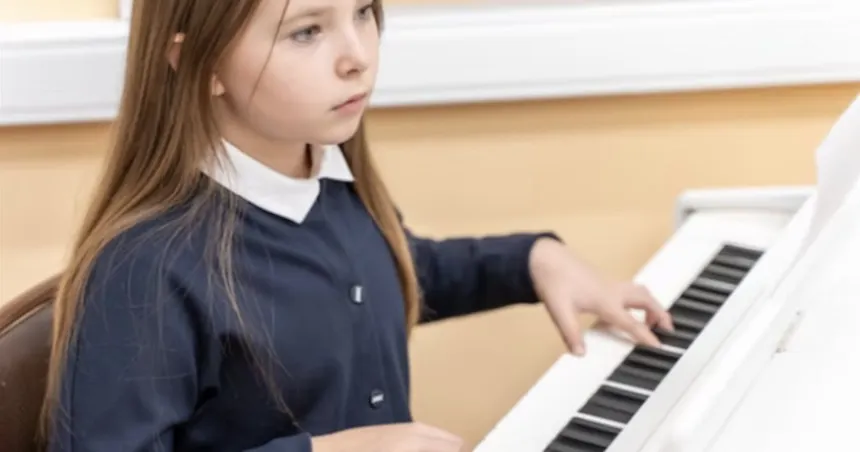
Music education has long been limited by geography, cost, and availability of trained instructors. For many learners, finding a skilled teacher nearby or affording regular classes was a major barrier. Today, the growth of online music courses has transformed this landscape by bringing structured, high-quality lessons directly to anyone with an internet connection. Students in remote places can now learn from professional musicians without having to move or travel. This makes music education more open to everyone than ever.
Breaking Down Geographic Barriers
You can learn from teachers from anywhere in the world, which is one of the best things about online music classes. This shift removes the traditional limitations tied to local resources. A learner in a small town can take piano lessons from a teacher in another country or study with a vocal coach who specialises in a particular genre. These opportunities were once available only to those who could afford to travel or live in major cities, but online platforms now give everyone equal access to global talent.
Flexible Learning for Busy Lifestyles
Modern learners often juggle school, work, and personal commitments. Online music lessons provide flexibility that traditional classes cannot match. Students can choose lesson times that fit their schedule, review recorded sessions, and practise at their own pace. This adaptability ensures that music education is not restricted to a fixed timetable and allows more people to pursue their passion without compromising other responsibilities. It also encourages long-term learning since students can maintain consistency even during busy periods.
Affordable Alternatives for Aspiring Musicians
Music lessons have historically been expensive, especially when learning from reputed instructors. Online platforms reduce overhead costs, making lessons more affordable. Many online music courses offer subscription models, group sessions, or tiered pricing that puts high-quality education within reach of more families. Learners can select a plan that suits their budget while still receiving guided instruction. This affordability is a major reason why online lessons have become a global equaliser in music education.
Personalised Learning with Digital Tools
Technology enhances music education by providing personalised learning paths. Interactive tools, practice trackers, feedback systems, and digital sheet music help students learn more efficiently. Virtual classrooms also allow teachers to provide real-time guidance while using screen sharing, audio analysis, and visual demonstrations. These features make learning more engaging and accessible, even for complete beginners. Students who once struggled with traditional classroom methods often find online tools more intuitive and motivating.
Opportunities for Diverse Musical Styles
Online lessons expose learners to a wider range of musical genres, instruments, and techniques than may be available locally. Whether a student wants to learn classical piano, jazz improvisation, electronic music production, or folk instruments, online platforms offer endless variety. This diversity encourages creativity and helps students develop a well-rounded musical identity. It also enriches cultural understanding by allowing learners to explore music traditions from around the world.
A More Inclusive and Connected Musical Community
Digital learning fosters global connections between teachers, students, and fellow musicians. Community forums, virtual practice rooms, and online recitals help learners share progress and gain confidence. This sense of community makes music education feel welcoming and collaborative, bridging cultural and social divides. As more people participate in online music lessons, the global music community grows stronger and more inclusive.
The Future of Music Education
The rise of online learning is not replacing traditional lessons but expanding the possibilities of how music can be taught. By offering flexibility, affordability, and global access, online music lessons are reshaping music education into a more democratic and accessible system. As technology keeps getting better, these chances will only get bigger. This will make sure that music stays a language that everyone can understand.
