

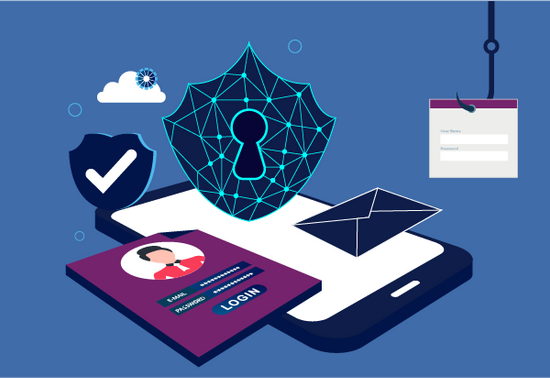
In recent years, you’ve probably noticed that the suspicious messages landing in your inbox or on your phone are looking a lot more convincing. We used to rely on typos or poor grammar to spot a con, but that isn’t enough anymore. Moving through 2026, UK fraudsters have upped their game by using artificial intelligence to make their decoys look and sound startlingly authentic.
How AI is Changing the Game
The most alarming trend is the way AI has empowered criminals to impersonate people you actually know. You might receive a voice note from a family member claiming they’ve lost their wallet or been in an accident, asking for an urgent bank transfer. It sounds just like them because, with just a few seconds of audio from social media, scammers can now clone a person’s voice with terrifying accuracy. If you get a call like this, try to stay calm. A good trick is to have a “safe word” with your family, or simply hang up and call them back on their known number.
Quishing and QR Code Traps
Have you seen those QR codes stuck onto parking meters or restaurant tables? They’ve become a prime target for a technique called “quishing.” Criminals paste their own fraudulent QR codes over legitimate ones. When you scan it to pay for parking, you’re sent to a clone website that looks identical to the official one but exists only to harvest your card details. It’s always safer to search for the official app or website yourself rather than trusting a sticker that could have been placed by anyone.
An overlooked angle in consumer scam protection is how regulated online services now design safeguards to proactively spot suspicious behavior. Licensed online casinos, for example, frequently use a mix of identity verification (KYC checks), deposit limits, transaction monitoring, and unusual login detection to thwart account takeovers—the same stringent techniques many banks and retail platforms rely on. These systems can also flag patterns linked to common scams, such as repeated failed payment attempts, rapid changes to account details, or logins from unexpected locations. Observing how these regulated operators implement such protocols provides a clear picture of what effective “built-in guardrails” should look like in practice.
Protecting Your Digital Footprint
It might feel like the odds are stacked against you, but most of these scams rely on catching you off guard while you’re in a rush. Taking just thirty seconds to double-check a sender’s email address or questioning why a “government” text is coming from a random mobile number can save you a lot of grief.
Interestingly, the push for better cybersecurity in online gaming has actually helped drive some of the tech we use to stay safe today, like better multi-factor authentication and behavioral biometrics. Whether you’re shopping, playing, or just checking your mail, staying a bit skeptical is your best line of defense.
Have you encountered any of these new AI-driven scams lately? We’d love to hear your experiences in the comments below—your story might just help someone else avoid a similar trap.