

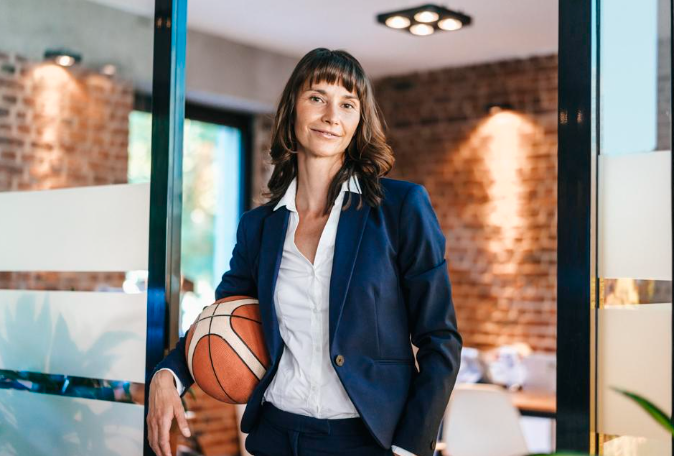
When the final whistle blows, every athlete faces the same challenge — what comes next? The transition from a career built on physical performance to one driven by strategic thinking can be daunting. Yet, the qualities that made athletes great on the field can make them powerful leaders off it. Building a second career after sport isn’t about leaving competition behind; it’s about applying those lessons to a new arena.
The Reality of Retirement in Sports
Most athletes retire young. The average professional sports career lasts only a few years. According to the NCAA, fewer than 2% of college athletes go pro, and many who do retire before 30. For those in high-impact sports like football or hockey, the window is even shorter.
The problem isn’t talent — it’s timing. Many athletes spend their entire lives chasing one dream, only to find themselves unprepared for the next chapter. That’s where business strategy comes in.
What Business Leaders Already Know
Great business leaders think long-term. They plan for succession, build networks, and invest in personal growth. They understand that performance is temporary, but value creation lasts.
This mindset can change everything for retiring athletes. Transitioning from sport to business doesn’t mean starting from zero — it means reusing old skills in a new way.
Lesson one: treat the next chapter like a new season. It’s another competition, just with different rules.
Athletic Skills That Translate Perfectly
Athletes already have what business leaders spend years trying to develop.
- Discipline: The same consistency that drives daily training can power professional growth.
- Resilience: Athletes handle losses better than most. They know how to recover, refocus, and try again.
- Leadership: Team captains understand communication and motivation better than many executives.
- Focus under pressure: Game-winning decisions under stress mirror the demands of running a company.
According to a study by Ernst & Young, 94% of women executives played sports at some point in their lives. The connection is clear — athletic experience builds leadership traits that transfer directly to business success.
Learning From the Boardroom
Business leaders and retired athletes share a similar journey: staying relevant in a changing environment. The best learn to evolve constantly.
Here are a few lessons from successful entrepreneurs that athletes can apply right away.
1. Build a Network Before You Need It
Business leaders understand the power of relationships. They know who to call, who to collaborate with, and who to learn from. Athletes can use their visibility to build similar networks — not just fans, but mentors and partners.
2. Plan the Next Play Early
In sport, preparation wins championships. The same applies to life after retirement. The athletes who succeed in business start planning while they’re still competing. That might mean taking business courses, shadowing entrepreneurs, or exploring investment opportunities.
3. Think Like a Brand
Every athlete is already a personal brand. Learning how to manage that reputation strategically is key. Business leaders use storytelling and marketing to connect with audiences — athletes can do the same to grow credibility in new fields.
Real Stories of Reinvention
The sports world has plenty of examples of successful transitions.
Michael Jordan turned his competitive drive into Jordan Brand, a global powerhouse. Serena Williams founded Serena Ventures, backing more than 60 startups led by women and underrepresented founders.
Then there’s Aaron Keay Vancouver, a former professional soccer player who turned his passion for performance into a thriving career in finance and wellness. After playing for the Vancouver Whitecaps and representing Canada, he built companies in consumer products, technology, and health. Today, he leads Kommunity Fitness, a boutique training brand that merges design and innovation. “Sports taught me discipline and teamwork,” he says. “Business taught me patience and execution. Both require you to compete — just in different ways.”
These stories prove that reinvention isn’t luck. It’s mindset.
The Common Pitfalls
Not every athlete finds the same success. Many struggle because they underestimate how different business can be. Here are the most common challenges:
- Loss of identity: Without the structure of sport, some athletes feel lost.
- Lack of planning: Waiting until retirement to think about the future is a recipe for stress.
- Overconfidence: Success on the field doesn’t guarantee instant credibility in business.
Business leaders spend decades mastering patience, negotiation, and communication — skills that athletes must learn deliberately.
Actionable Steps for a Strong Transition
Athletes can take practical steps to set themselves up for long-term success.
1. Start Small
Experiment early. Launch a side project, invest in a startup, or learn through internships during the off-season. Each experience builds real-world perspective.
2. Keep Learning
Take online business courses, attend leadership seminars, or find mentors. Continuous learning keeps you sharp and adaptable.
3. Build Financial Literacy
Understanding investments, taxes, and contracts is essential. Many business leaders credit financial awareness as the foundation of sustainable success.
4. Find a Mentor
Every great CEO has one. Athletes should seek guidance from experienced entrepreneurs who understand both success and failure.
5. Reframe Competition
In business, your competitor might also be your collaborator. Learn to balance competition with cooperation — a skill that can open new doors.
The Emotional Side of Change
The shift from athlete to entrepreneur isn’t just strategic — it’s personal.
Letting go of the identity built around sport can feel uncomfortable. Business leaders often face similar moments when they sell companies or retire from executive roles. Both groups must redefine success on their own terms.
Support networks help. Former teammates, mentors, or fellow entrepreneurs can offer perspective when things get tough. Transitioning doesn’t mean leaving the old world behind — it means using those experiences to fuel the next phase.
Where the Two Worlds Meet
At their core, business and sport are both about performance. Each demands preparation, teamwork, and vision. The difference is in the tools. Athletes work with their bodies; business leaders work with systems and people. But both chase growth.
When athletes bring their focus and energy into the business world, they often outperform peers who’ve never faced high-pressure environments. That’s why so many companies value former athletes for leadership roles.
The competitive mindset, once channelled through sport, becomes the perfect foundation for entrepreneurship.
Final Takeaway
Building a career after sport isn’t about replacing one identity with another — it’s about evolving. The best athletes already have the discipline, leadership, and resilience to succeed in business. What they need is planning, learning, and the courage to start something new.
The lessons from great business leaders are simple but powerful: prepare early, build relationships, and stay curious. Whether leading a company, launching a brand, or mentoring the next generation, retired athletes have all the tools to thrive — they just need to apply them to the next game.