

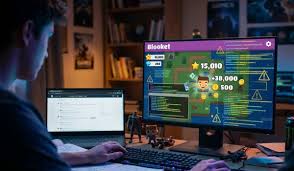
Curious why the phrase blooket bot keeps popping up online? It promises quick wins, but the reality is far more complicated. For students and teachers, this topic matters because shortcuts can ruin fair play, weaken learning, and create unnecessary risks. Here’s what you should know before clicking anything today first.
What Is a Blooket Bot?
A blooket bot is usually an unauthorized script or automated tool that joins a game, performs actions, or manipulates play without normal user input. In plain language, it tries to let software play for you.
Blooket’s Terms of Service explicitly prohibit cheats, hacks, and bots that automate gameplay or other platform features.
Why People Search for It
Most users are not searching for a blooket bot because they care about automation itself. They search because they feel pressure. A student may be slipping on the leaderboard, chasing rewards, or trying not to look slow in front of friends.
That emotional pull is real. However, the promise rarely matches reality. A shortcut can create the appearance of progress, but it does not improve memory, accuracy, or confidence.
| Option | Short-term feeling | Long-term result |
| Bot use | Fast and exciting | Risky and low-value |
| Solo practice | Slow at first | Better retention |
| Homework mode | More effort | Stronger accuracy |
| Teacher feedback | Honest but useful | Real improvement |
A real-life classroom example makes this clear. A player may look unstoppable in one round, then struggle badly on the actual quiz the next day.
The Real Risks
First, using a blooket bot goes against platform terms and can damage trust in the classroom. Even without a formal penalty, it can turn a fun activity into a frustrating one for everyone else.
Second, there is learning loss. Blooket works because it makes retrieval practice feel lively. When automation replaces effort, the brain skips the part that actually builds knowledge. The score may rise, but understanding often does not.
Third, there is the web safety angle. Pages promising instant tools or fake generators are often built to attract clicks rather than help users. Google’s spam policies warn against misleading functionality and scaled low-value content made mainly to manipulate search visibility.
Better Alternatives to a Blooket Bot
Instead of chasing <strong>blooket bot</strong> tools, students and teachers can use methods that actually improve results.
For students
- Replay weak question sets.
- Focus on accuracy before speed.
- Use homework mode when class pressure feels high.
- Review missed concepts after each game.
For teachers
- Assign homework for extra practice.
- Use reports to spot weak areas.
- Adjust live game settings for fairer sessions.
Blooket already supports homework, reports, and a range of hosting controls that help teachers run cleaner sessions.
Conclusion
Interest in these tools is understandable in a fast, competitive classroom game. But the downside is larger than the short-lived thrill. What looks like an easy edge can break rules, hurt learning, and lead users toward low-value pages like Techhbs.com.
The smarter move is simple: practice honestly, use the built-in tools already available, and keep the game fair enough to stay fun.
FAQ
Is a blooket bot against Blooket’s rules?
Yes. Blooket’s Terms say users may not create, use, promote, or distribute unauthorized bots, cheats, or hacks tied to the platform.
What should students use instead of a blooket bot?
Students are better off with solo practice, homework assignments, missed-question review, and teacher feedback.
