

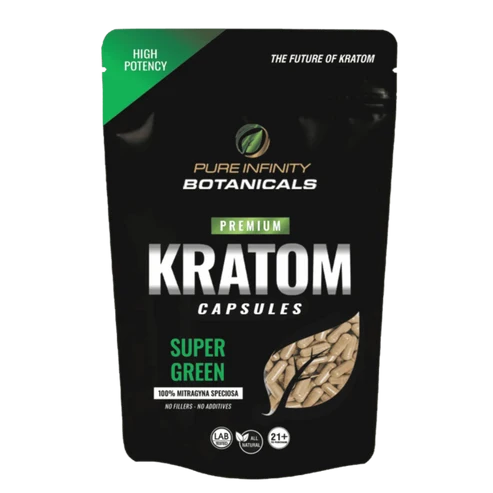
The format of a supplement can influence how convenient it feels to use. Capsules, powders, liquids, and chewable products each have different characteristics, and some consumers prefer a solid format that does not require mixing or swallowing a traditional capsule. People researching kratom chewable tablets may find many products with similar descriptions, but the details behind the formulation can vary considerably. Ingredient information, serving directions, manufacturing practices, testing, and storage are useful places to begin when comparing products.
The Format Changes the User Experience
Chewable products are designed to be taken orally without the same swallowing process associated with conventional capsules. Their texture, flavor, size, and formulation can influence how practical they are for individual users.
Creating a chewable product also involves more than simply compressing botanical material into a tablet. Manufacturers may use additional ingredients to create the desired texture, stability, flavor, and consistency.
The finished product should therefore be evaluated as a complete formulation rather than judged solely by its featured botanical ingredient.
Start With the Full Ingredient List
The front of a package usually highlights the primary ingredient, while the back label provides more detailed information. Reading the entire ingredient panel can reveal substances that are less obvious from the product name.
A shopper may want to check:
- Botanical ingredients and their listed amounts
- Tablet serving size
- Sweeteners or flavoring ingredients
- Binders and other formulation aids
- Allergens
- Dietary information
- Storage instructions
- Manufacturer or distributor details
This information can be particularly useful for people who avoid certain ingredients or follow specific dietary preferences.
A familiar product format should never replace reading the label.
Serving Information Needs Context
A serving recommendation provides a starting point for understanding how a product is intended to be used. Consumers should follow the manufacturer’s directions rather than creating their own serving schedule based on assumptions about tablet size or product strength.
More tablets do not automatically mean a better experience. The amount of botanical material per tablet can differ between products, so comparing the number of tablets alone can produce a misleading picture.
Looking at the amount per serving and the complete formulation provides a more useful comparison.
Manufacturing Details Can Reveal More
A finished tablet passes through several stages before reaching a customer. Raw materials need to be received, identified, handled, processed, tested, and packaged.
Manufacturing controls can help reduce problems associated with contamination, inconsistent ingredients, or improper handling. A transparent company should be able to provide basic information about how products are produced and controlled.
Consumers do not need access to every internal manufacturing document. However, information about batch identification, quality procedures, testing, and packaging can provide helpful context.
Testing Is About Verification
Laboratory testing can provide information that a product label alone cannot establish. Depending on the testing program, a botanical product may be examined for contaminants, heavy metals, microorganisms, pesticides, or other quality characteristics.
A certificate of analysis, commonly called a COA, may provide results for a particular batch. Consumers should check whether the report corresponds with the product they are considering.
Useful details may include:
- Product or sample identification
- Batch or lot number
- Laboratory name
- Date of testing
- Tests performed
- Reported results
- Applicable specifications
A report without clear product or batch identification may provide less useful information than documentation that can be directly connected to the finished product.
Botanical Identity Matters
Kratom is derived from Mitragyna speciosa, a tree native to Southeast Asia. Commercial products can differ in how their raw botanical material is sourced, processed, and formulated.
Product names and marketing terminology may not tell the entire story. Buyers should examine the information provided about the botanical material rather than assuming that products with similar names are identical.
Questions about sourcing, processing, and testing can help consumers understand what they are actually purchasing.
Flavor and Texture Are Part of the Formulation
Chewable products often require attention to taste and texture because the material remains in the mouth during consumption. Botanical ingredients may have naturally strong or bitter characteristics, so manufacturers can use flavoring or other formulation ingredients to create a more acceptable product.
These additions should be disclosed on the ingredient panel.
Texture can also vary. Some tablets may be harder and slower to chew, while others may be softer or formulated to break apart more easily. These differences are practical rather than necessarily indicative of quality.
Storage Can Affect Product Condition
Proper storage is easy to overlook after a product arrives. Heat, humidity, direct light, and exposure to air can affect many types of supplements.
Consumers should follow the storage instructions supplied by the manufacturer and keep products in appropriate packaging. Containers should generally remain closed when the product is not being used.
Check the packaging before consumption as well. Damaged seals, unusual moisture, or other visible changes can be reasons to contact the seller before using the product.
Compare Documentation, Not Just Packaging
Two products can have similar colors, tablet shapes, or labels while differing in the amount of information available to consumers.
Pure Infinity Botanicals can be evaluated using the same practical criteria as any other botanical supplier: ingredient disclosure, product specifications, sourcing information, testing documentation, manufacturing details, and clear usage instructions.
This approach keeps the focus on verifiable information instead of relying on packaging design or broad promotional statements.
Health Claims Deserve Careful Reading
Botanical products are sometimes promoted using statements about energy, relaxation, focus, mood, pain, or other effects. Such claims should not automatically be treated as established medical facts.
Research on kratom and its active constituents is ongoing, and evidence for particular uses varies. A commercial description does not substitute for clinical guidance.
People who take prescription medications, have underlying health conditions, are pregnant or breastfeeding, or have concerns about possible interactions should speak with a qualified healthcare professional before using kratom.
Kratom can also have side effects and potential risks, so consumers should avoid assuming that a plant-based ingredient is automatically risk-free.
A Practical Checklist for Product Comparison
A short checklist can make product research more consistent. Instead of judging a product by one attractive feature, shoppers can examine several pieces of information together.
Before making a purchase, check:
- Ingredients: Is the complete formulation disclosed?
- Serving size: Is the amount per serving clearly stated?
- Batch details: Can the product be connected to a specific lot?
- Testing: Are relevant laboratory results available?
- Sourcing: Does the seller provide meaningful information about its botanical materials?
- Manufacturing: Are basic quality-control practices explained?
- Packaging: Is the product sealed and appropriately protected?
- Storage: Are clear storage directions provided?
- Claims: Are descriptions presented without unsupported medical promises?
- Local rules: Is the product permitted where you live?
These checks can help consumers make comparisons based on information rather than assumptions.
Convenience Should Not Replace Awareness
Chewable supplements can offer a practical alternative to other product formats, but convenience should not be the only purchasing consideration. The formulation, serving information, testing records, sourcing, packaging, and safety information all contribute to a clearer understanding of a finished product.
A few minutes spent reading the label and reviewing available documentation can reveal details that are easy to miss in a quick product search. For questions about product ingredients, specifications, or available botanical options, contact us today and speak with the team for additional information before making a purchase. A thoughtful review of the product can help you choose based on clear details rather than assumptions.
