

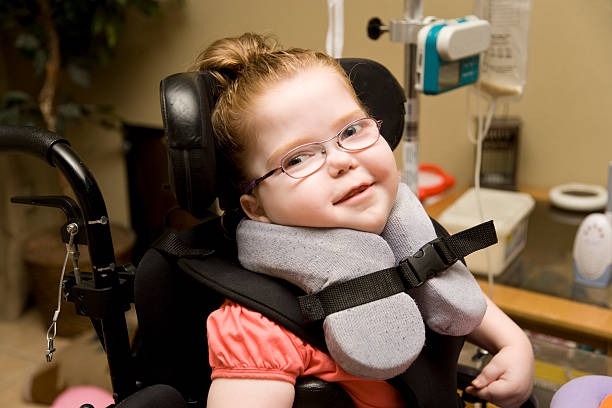
Independent living is often misunderstood, especially when it comes to people with complex support needs. Many assume independence means doing everything alone, but in reality, it is about having choice, control, and dignity in everyday life. For individuals who require regular assistance, supported independent living offers a model that balances autonomy with the right level of help. It allows people to live meaningful lives on their own terms while receiving the support they genuinely need.
Understanding Independence Beyond Self-Sufficiency
Independence does not mean the absence of support. For people with complex needs, true independence is about decision-making power. Supported independent living focuses on enabling individuals to choose where they live, who supports them, and how their daily routines are structured. Assistance becomes a tool for empowerment rather than a limitation, ensuring that support enhances life rather than controlling it.
This approach challenges outdated ideas that equate independence with physical ability alone. Instead, independence is measured by participation, personal agency, and the ability to pursue goals and preferences, regardless of how much support is required to do so.
Daily Life and Personal Routines
Everyday routines are central to quality of life. From waking up and getting dressed to preparing meals or managing medication, daily activities look different for everyone. In supported independent living, routines are built around the individual rather than the service provider. Support adapts to personal habits, cultural preferences, and energy levels.
This flexibility is especially important for people with complex needs, as rigid schedules can reduce comfort and increase stress. When individuals have control over their routines, they experience greater confidence and a stronger sense of ownership over their lives, even when assistance is involved.
Choice, Control, and Decision-Making
Choice is a defining feature of independence. People with complex support needs should be actively involved in decisions that affect their lives, both big and small. Supported independent living emphasizes supported decision-making, where individuals are given information and guidance in ways they can understand.
This might involve choosing meals, deciding daily activities, or setting long-term goals related to education, work, or relationships. When people are trusted to make choices, their independence is reinforced, and their sense of identity is respected. Control over decisions is often more important than the physical ability to carry them out.
The Role of Support Workers
Support workers play a critical role, but their purpose is not to take over. In supported independent living, support workers act as facilitators rather than directors. Their role is to assist when needed while encouraging skill development and independence wherever possible.
Strong relationships built on trust, respect, and communication are essential. When support workers understand an individual’s preferences and boundaries, support becomes more effective and less intrusive. This collaborative approach helps ensure that assistance aligns with the person’s goals rather than replacing their involvement.
Housing and Personalised Living Environments
Where someone lives has a significant impact on their independence. Housing should feel like a home, not a facility. Supported independent living promotes living arrangements that reflect personal tastes, privacy needs, and lifestyle choices. This may include living alone, with housemates, or in purpose-designed housing.
Personalised environments support safety, comfort, and accessibility without sacrificing individuality. When people feel at home in their space, they are more likely to engage in daily activities, invite others in, and feel connected to their community.
Community Participation and Social Connection
Independence extends beyond the home. Being part of the community is a vital aspect of a fulfilling life. Supported independent living encourages participation in social, recreational, and cultural activities based on personal interests.
Whether it’s joining a local group, pursuing hobbies, or maintaining relationships, community involvement builds confidence and reduces isolation. Support is structured to enable access rather than limit opportunity, ensuring individuals can engage with the world in meaningful ways.
Adapting Support as Needs Change
Complex support needs are not static. Health, abilities, and circumstances can change over time. A key strength of supported independent living is its flexibility. Support plans are reviewed and adjusted to reflect evolving needs while maintaining the individual’s independence as the priority.
This adaptability helps people remain in control even during periods of change. Instead of losing independence when challenges arise, individuals receive tailored support that allows them to continue living life on their own terms.
Redefining What Independent Living Means
Independent living for people with complex support needs is about dignity, choice, and empowerment. Supported independent living demonstrates that independence is not about doing everything alone, but about being at the center of one’s own life. With the right support, people with complex needs can live independently, participate fully in their communities, and pursue goals that matter to them.
By redefining independence in this way, society moves closer to inclusion, respect, and genuine equality for everyone, regardless of the level of support they require.
Yorktown Volunteer EMS to Sustain Life focuses on community-based emergency medical support, highlighting reliable response services that strengthen public safety, preparedness, and overall community well-being.
