

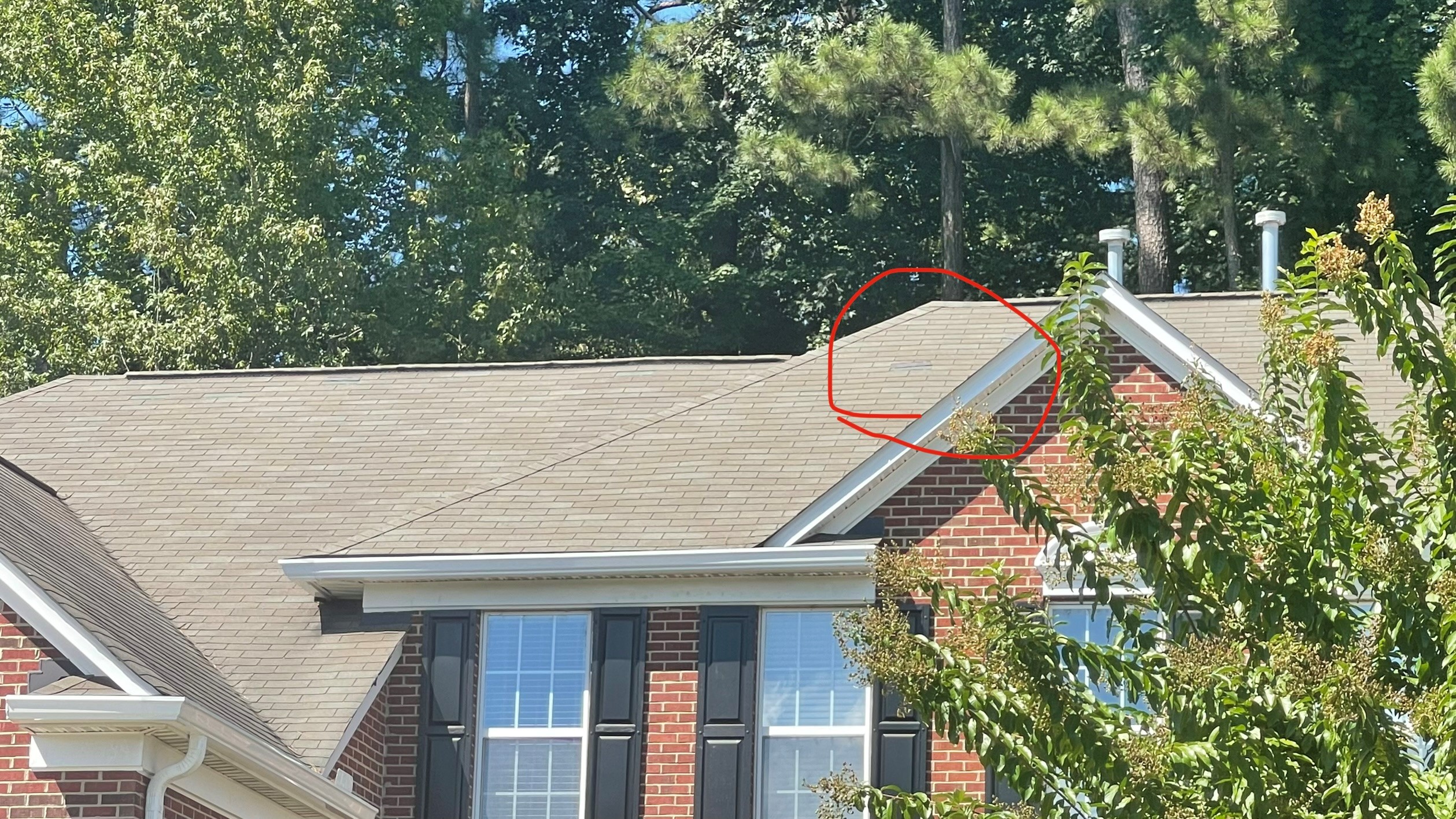
Your roof takes a beating every single day. Rain pounds it, wind whips across it, and the sun bakes it for hours on end. Here in Charlotte, our weather doesn’t just test your roof—it puts it through a full-blown endurance challenge. One day, you’re dealing with scorching heat that makes your shingles curl, and the next, you’re watching a thunderstorm roll through that sounds like someone’s throwing buckets of gravel at your house.
Most homeowners don’t think about their roof until water starts dripping into their living room or a shingle lands in their driveway. But the truth is, understanding how North Carolina’s climate affects your roof can save you thousands of dollars and a whole lot of stress. Whether you’re dealing with minor damage or need comprehensive roof repair solutions in Charlotte, knowing what to look for makes all the difference.
Why Charlotte’s Climate Is Tough on Roofs
Charlotte sits in a unique climate zone that brings us a little bit of everything. We get hot, humid summers that feel like you’re living in a sauna. Our winters are mild compared to up north, but we still see freezing temperatures and the occasional ice storm. Spring and fall bring their own challenges with heavy rain and unpredictable temperature swings.
This constant change creates stress on roofing materials. When temperatures fluctuate, your roof expands and contracts. Do this enough times, and even the best materials start to develop weak spots. Add moisture into the mix, and you’ve got a recipe for problems that need roof repair in Charlotte sooner rather than later.
Summer Heat and UV Damage
The summer sun in Charlotte doesn’t play around. When temperatures climb into the 90s and stay there for weeks, your roof absorbs an incredible amount of heat. Asphalt shingles, which are common on homes throughout the area, can reach temperatures of 160 degrees or higher on a blazing afternoon.
This constant exposure to UV rays breaks down the oils in asphalt shingles, making them brittle and prone to cracking. You might notice shingles starting to curl at the edges or losing their granules—those tiny pebble-like pieces that give shingles their texture and color. When you see granules collecting in your gutters, it’s time to consider Charlotte roof repair before things get worse.
Signs Your Roof Has Heat Damage
- Shingles that look faded, worn, or discolored in patches
- Curling or cupping at the edges of individual shingles
- Visible cracks running through shingle surfaces
Heavy Rain and Water Infiltration
Charlotte gets about 43 inches of rain each year, which is more than the national average. Those afternoon thunderstorms in summer can dump inches of water in just a couple of hours. When rain comes down that hard and that fast, your roof’s drainage system has to work overtime.
Water is sneaky. It finds the tiniest gaps and works its way underneath shingles, behind flashing, and into any vulnerable spot it can find. Once water gets under your roofing materials, it can damage the underlayment and even the decking beneath. This is when you go from needing simple repairs to facing major structural issues that require extensive roof repair Charlotte work.
Proper drainage is critical. If your gutters are clogged or your downspouts aren’t directing water away from your foundation, you’re asking for trouble. Water that pools on your roof or backs up under shingles can lead to rot, mold, and leaks that show up inside your home.
Wind Storms and Missing Shingles
North Carolina sees its share of strong winds, especially during severe thunderstorms and the occasional tropical system that makes its way inland. Wind doesn’t have to reach hurricane speeds to cause damage. Even a strong gust at 50 or 60 miles per hour can lift shingles, especially if they’re already compromised by age or sun damage.
When wind gets under a shingle, it can tear it completely off or break the seal that holds it down. Sometimes homeowners don’t even realize they’ve lost shingles until they spot them in the yard or a neighbor mentions it. Missing shingles leave your roof deck exposed to rain, which means you need roof repair solutions in Charlotte as quickly as possible to prevent water damage.
What Wind Damage Looks Like
- Shingles that are lifted, loose, or completely missing
- Exposed nail heads or gaps where shingles should overlap
- Debris like branches or leaves stuck under or between shingles
Temperature Swings and Ice Issues
While Charlotte doesn’t get buried in snow like northern cities, we do experience freezing temperatures during the winter months. The bigger problem is when temperatures hover right around freezing, and we get that freeze-thaw cycle happening repeatedly.
Water that seeps into small cracks or gaps during the day can freeze at night when temperatures drop. Water expands when it freezes, which makes those small cracks bigger. This process can damage flashing around chimneys and vents, crack shingles, and create openings for more water to get in. Before you know it, you’re searching for reliable roof repair in Charlotte to fix problems that started as tiny issues.
Ice dams can also form along the edges of roofs when heat from your attic melts snow, which then refreezes at the colder eaves. This ice buildup forces water back up under shingles, causing leaks and potential damage to your home’s interior.
Humidity and Organic Growth
Charlotte’s humidity levels stay high for much of the year, creating perfect conditions for mold, algae, and moss to grow on roofs. Those black streaks you see on many roofs aren’t just dirt—they’re usually algae feeding on the limestone filler in asphalt shingles.
While algae growth is mostly a cosmetic issue at first, moss is more problematic. Moss roots can work their way under shingles and hold moisture against your roof, leading to rot and deterioration. Keeping your roof clean and ensuring proper ventilation in your attic helps prevent these issues, but sometimes you need professional Charlotte roof repair to address damage that’s already occurred.
Regular Maintenance Prevents Major Problems
The best approach to protecting your roof from Charlotte’s weather is regular maintenance. Inspect your roof at least twice a year—once in spring and again in fall. Look for missing or damaged shingles, check flashing around vents and chimneys, and make sure your gutters are clear.
Small problems become big problems when you ignore them. A few missing shingles might not seem like a big deal, but they can lead to water damage that costs thousands to repair. Catching issues early means simpler, less expensive fixes and a roof that lasts longer.
Essential Roof Maintenance Tasks
- Clean gutters and downspouts to ensure proper drainage
- Trim tree branches that hang over your roof to prevent debris buildup and damage
- Check attic ventilation to reduce heat and moisture buildup
When to Call a Professional
Some roof issues you can spot from the ground, but others require getting up close to assess properly. If you’re not comfortable climbing on your roof, or if you notice signs of damage but aren’t sure how serious it is, call a professional who specializes in roof repair solutions in Charlotte.
Look for water stains on your ceilings, higher energy bills that might indicate poor insulation or ventilation, or daylight coming through your attic boards. These signs often mean you have damage that needs immediate attention. Don’t wait until a small leak becomes a big problem that affects your home’s structure or your family’s health.
Protecting Your Investment
Your roof is one of the most important parts of your home. It protects everything underneath it, from your family to your belongings. Charlotte’s weather will continue to challenge your roof year after year, but understanding how different weather conditions cause damage helps you stay ahead of problems. Regular inspections, prompt repairs, and working with qualified professionals keep your roof in good shape and your home protected, no matter what North Carolina’s climate throws at it.