

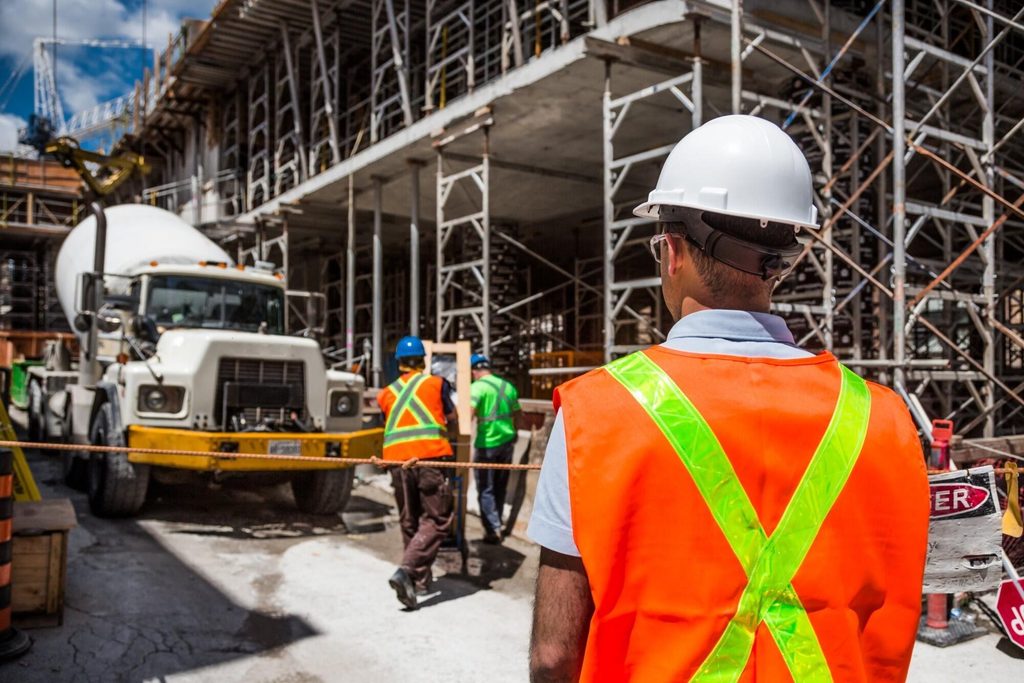
How can a busy construction site stay safe when many tasks happen at once? A safe site needs clear rules, careful planning, and steady attention from every worker.
Good safety steps can reduce injuries, damage, delays, and costly mistakes. They also help workers feel more confident while completing demanding jobs.
Each part of the site should support safe movement, careful work, and quick action in times of trouble. Simple routines can make safety easier to follow every day.
This guide explains practical steps that help create a safer, more secure construction site. Keep on reading!
Set Clear Safety Rules
Clear and uncomplicated rules are the foundation of safety. Before entering the site, every worker must be aware of what is expected of them. Place the rules in a prominent location so that no one can overlook them.
Use language that is easy to understand and steer clear of unclear terms. At the daily meetings, it is important to reiterate important safety reminders. Please explain the significance of each rule so that everyone can comprehend it.
Make certain that the rules cover both typical and unusual circumstances. If new dangers emerge, the rules should be updated. Team members should be encouraged to ask questions about the rules.
Train Workers Regularly
Training helps everyone stay safe and do good work. New workers should get full training before starting. Experienced workers need regular updates to refresh their knowledge.
Use hands-on practice to make lessons stick. Talk about real-life examples to show why rules matter. Teach everyone how to spot hazards and report them quickly.
Include lessons on using safety gear and emergency plans. Hold surprise drills to test what people remember.
Reward workers who follow safety steps well. Training is not just for workers but for everyone on site.
Control Site Access
Limiting who enters the site is key to security. Use fences and gates to mark the site boundary. Only let approved workers and visitors inside.
Give everyone visible ID badges to wear. Have a sign-in and sign-out process for tracking. Watch for strangers or people who do not belong.
Lock up after hours to prevent trespassing. Keep records of who comes and goes each day.
Update the list if someone leaves or joins the project. Site access control keeps both people and equipment safe.
Keep the Site Clean and Organized
A tidy site is a safe site. Clean up trash and leftover materials daily. Store tools and equipment in their proper place after use, and mark walkways and keep them clear at all times.
Use trash and recycling bins to keep the site neat. Stack construction materials safely to avoid falls or spills. Put up signs to remind workers where things belong.
Check storage areas often for problems. A clean and organized site lowers the risk of accidents. It also helps workers find what they need faster.
Secure Valuable Equipment and Materials
Theft and loss can set projects back. Lock up valuable tools and machines when not in use. Use strong chains or locks for extra security.
Store expensive materials in secure storage units. Keep a list of all major equipment and who is using it. Mark tools with company labels or numbers.
Install lights in storage areas to deter thieves. Train workers to report missing items right away.
Review security often to find weak spots. Protecting gear saves money and keeps the project on track.
Use the Right Protective Equipment
Personal protective equipment (PPE) is a must. Hard hats, gloves, and boots protect workers from harm. Safety glasses shield eyes from dust or flying objects.
High-visibility vests make it easy to spot people from a distance. If you want to keep everyone safe and visible, shop for high-visibility safety vests and make sure they fit well. Earplugs or earmuffs protect hearing in noisy areas.
Respirators help when working with dust or chemicals. Make sure PPE is in good shape and replaced if worn out. Train everyone on how to use and care for their gear.
Watch Out for Hazards Every Day
Risks can materialize at any moment in time. Conduct daily inspections of the location to identify any new hazards. Make sure there are no loose wires, open trenches, or slippery surfaces.
Addressing issues immediately is the best way to avoid accidents. It should be simple for workers to report potential dangers. To warn people about potentially hazardous areas, you can use cones or signs.
Do not forget to post the emergency numbers nearby. Remind everyone to remain vigilant and watch their balance at all times.
During safety meetings, it is important to review common hazards. Taking a few precautions can help you avoid major issues.
Plan for Emergencies
Accidents can happen even with good planning. Have a clear emergency plan that everyone knows. Post escape routes and meeting points where everyone can see them.
Hold regular drills so workers practice what to do. Make sure first aid kits are easy to find and fully stocked. Assign someone to call for help if needed.
Teach workers how to use fire extinguishers. Keep emergency contacts up to date.
Review the plan after any incident to improve it. Quick actions in an emergency can save lives.
Use Technology to Improve Safety
Modern tools can boost safety and security. Cameras help monitor the site and deter theft. Alarm systems warn of break-ins or fire.
Apps can track equipment and workers in real time. Use digital checklists for daily safety inspections. Drones can check hard-to-reach areas safely.
Wearable tech can warn of danger or track health. Share safety tips using group messages.
Store safety documents in the cloud for easy access. Adopting new technology keeps the site a step ahead.
Building a Safer Site Every Day
Every day, the effort put into making a construction site safe and secure is rewarded with positive results. Workers can be protected by having clear rules, ongoing training, and good habits. Controlling access to the site and locking down tools prevents expensive losses.
It makes a significant difference to make use of the appropriate equipment and to identify potential dangers at an early stage. The addition of new technology and emergency planning provides additional layers of protection. Toward a safer working environment, every step counts.
Did you like this guide? Great! Please browse our website for more!
