

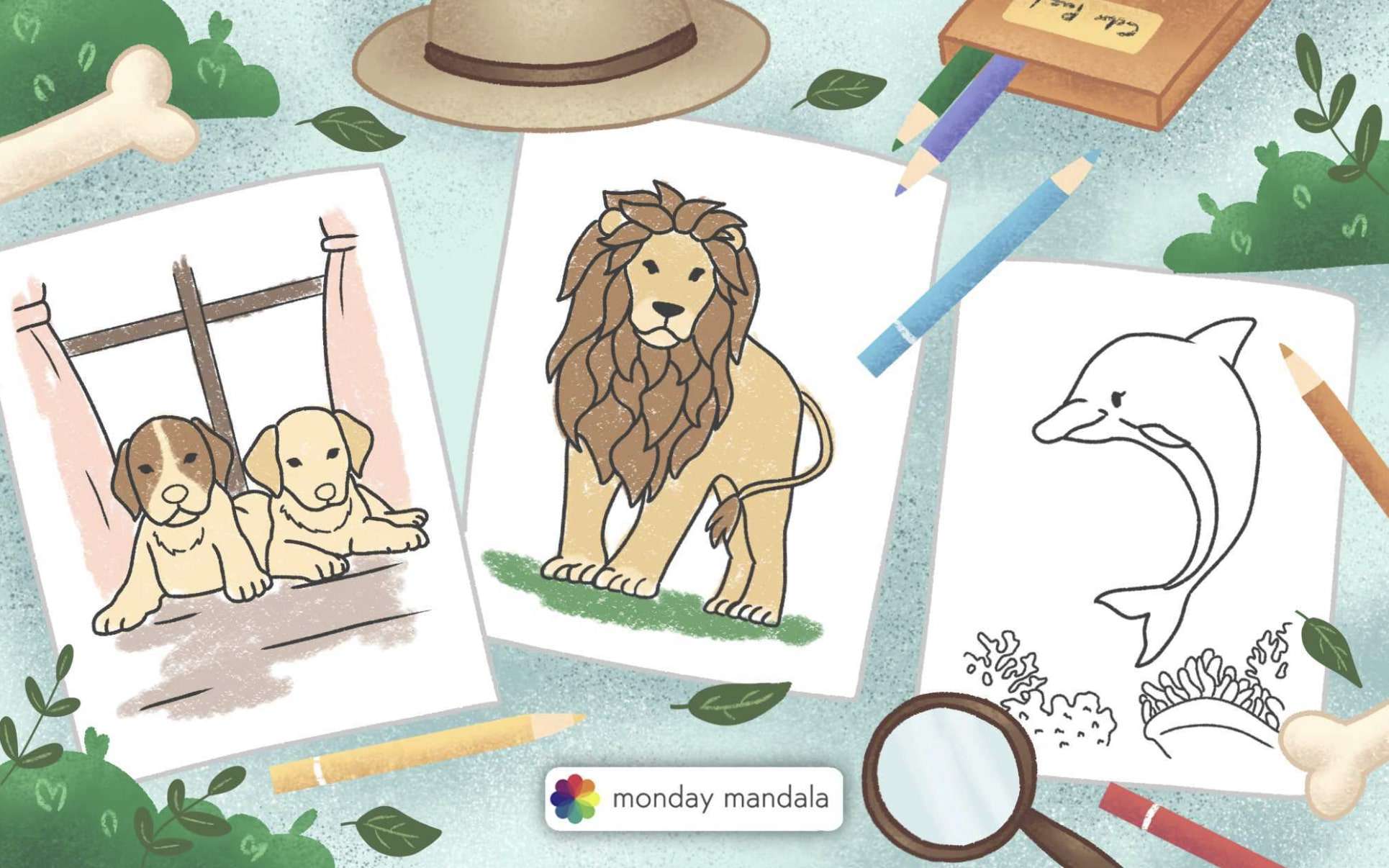
Coloring has long been a favorite pastime for children and adults alike. While some see it as just a fun way to pass the time, coloring also offers numerous benefits for cognitive development, stress relief, and creativity. Among the many themes available, animal coloring pages are one of the most popular choices. From household pets to wild jungle animals, these pages provide a unique opportunity to combine entertainment, learning, and artistic expression.
Why Animal Coloring Pages Are So Popular
Animals have a universal appeal. Children are naturally drawn to creatures like lions, elephants, cats, and dogs, while adults often enjoy coloring more intricate designs such as mandalas featuring animals or detailed wildlife scenes. Animal coloring pages are versatile—they can be simple outlines for younger children or complex illustrations for older kids and adults. This wide range of difficulty levels makes them suitable for all ages.
Additionally, coloring animals helps people develop an appreciation for nature and wildlife. For children, it’s an engaging way to learn about different species, their habitats, and unique traits. For adults, it can serve as a form of mindfulness, allowing them to focus on coloring details, patterns, and textures.
Educational Benefits of Animal Coloring Pages
While coloring may appear to be purely recreational, it can be highly educational, especially when it comes to animals. Here are some of the key benefits:
1. Learning About Animals
Animal coloring pages introduce children to a wide variety of animals they may not encounter in daily life. By coloring animals like giraffes, pandas, or sea turtles, children learn to identify them and understand basic facts about their appearance and behavior. Some coloring pages include fun facts, turning the activity into a mini-lesson about wildlife.
2. Enhancing Vocabulary
Coloring animal-themed pages can help improve a child’s vocabulary. Children may learn the names of different species, parts of the body, and even habitats. For instance, while coloring a frog, a child might learn about its “webbed feet” or while coloring a bird, terms like “beak” and “feathers” can be introduced.
3. Encouraging Creativity and Imagination
Animal coloring pages encourage children to think creatively. While some may choose realistic colors, others may invent entirely new color combinations, turning a zebra into a rainbow-striped animal or giving a lion a blue mane. This process encourages imagination and allows children to explore their artistic instincts.
4. Developing Motor Skills and Hand-Eye Coordination
Coloring requires precision and control. Younger children, in particular, benefit from the fine motor skill development that comes from holding crayons or colored pencils and staying within the lines. This skill is essential for later activities such as writing, cutting, and crafting.
How Animal Coloring Pages Can Be Used
Animal coloring pages are incredibly versatile and can be used in a variety of ways:
1. Educational Activities
Teachers and parents can incorporate animal coloring pages into lessons about biology, habitats, and conservation. Worksheets can include additional questions or facts about the animal to reinforce learning.
2. Relaxation and Mindfulness
For adults and older children, coloring can be a form of mindfulness practice. Focusing on intricate patterns, shading, and colors helps reduce stress and improve concentration. Many adults have discovered the joy of animal coloring pages as a relaxing hobby, combining creativity with the calming effect of focusing on a simple, enjoyable task.
3. Art Projects and Gifts
Completed animal coloring pages can be used for classroom displays, scrapbook projects, or even as personalized gifts. Children can color their favorite animal and frame it as wall art, while adults may use more detailed coloring pages as unique decorations.
4. Digital Coloring
With the rise of digital tablets and apps, animal coloring pages are not limited to paper. Digital coloring offers the same creative benefits, allowing users to experiment with a wide range of colors without worrying about running out of supplies. Digital coloring also enables sharing creations online, which can be a fun way to engage with a community of fellow coloring enthusiasts.
Popular Types of Animal Coloring Pages
The variety of animal coloring pages available today is extensive. Some of the most popular categories include:
1. Farm Animals
Farm animals such as cows, chickens, pigs, and horses are ideal for younger children. These animals are familiar, and the illustrations are usually simple, making them perfect for early learners.
2. Jungle and Safari Animals
For older children, jungle animals like tigers, elephants, and monkeys provide a more challenging and exciting coloring experience. These animals are often more detailed and offer opportunities to explore shading and texture techniques.
3. Sea Creatures
Marine life coloring pages are particularly fascinating. Dolphins, whales, turtles, and colorful fish allow children and adults alike to experiment with vibrant blues, greens, and other ocean-inspired shades.
4. Birds and Insects
Coloring birds and insects can be an intricate and rewarding challenge. From tiny ladybugs to majestic peacocks, these illustrations often feature patterns and textures that encourage precision and creativity.
5. Fantasy Animals
Some coloring pages take inspiration from mythology and imagination. Dragons, unicorns, and hybrid creatures allow colorists to blend reality and fantasy, stretching their creative boundaries.
Tips for Using Animal Coloring Pages Effectively
To get the most out of animal coloring pages, consider these helpful tips:
Provide a Variety of Tools: Use crayons, colored pencils, markers, or even watercolors for different effects.
Encourage Realistic Colors and Creativity: While realistic colors are educational, encourage creativity for imaginative learning.
Combine Coloring with Learning: Include fun facts or stories about each animal to make the activity educational.
Create a Routine: Regular coloring sessions can improve concentration, motor skills, and creativity over time.
Share and Display Work: Displaying completed pages can boost confidence and make coloring feel like an accomplishment.
Conclusion
Animal coloring pages are more than just a pastime—they are a tool for learning, creativity, and relaxation. They appeal to people of all ages, offering simple fun for young children and complex designs for older enthusiasts. By combining education, art, and mindfulness, animal coloring pages provide a unique opportunity to explore the animal kingdom while developing essential skills. Whether used in the classroom, at home, or as a digital hobby, coloring animals is a timeless activity that continues to inspire imagination and bring joy.
Whether you are a parent looking for an engaging activity for your child, a teacher searching for an educational resource, or an adult looking to relax and de-stress, animal coloring pages are an excellent choice. With countless designs and styles available, there is something for everyone, making them a versatile and enjoyable way to connect with nature, art, and creativity.
