

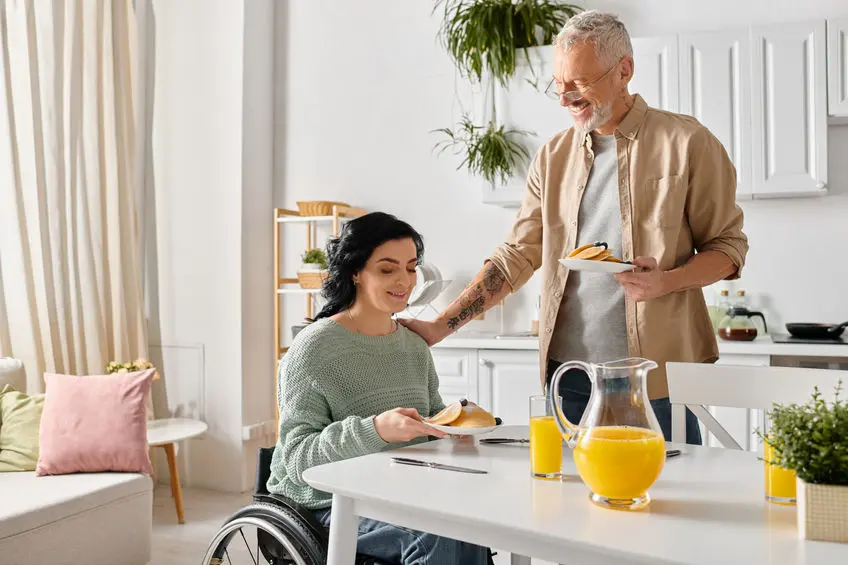
Caring for a loved one at home can be both rewarding and challenging. One of the most important responsibilities caregivers face is ensuring that the home environment is safe, comfortable, and easy to navigate. Improving home accessibility doesn’t always require major renovations—small, thoughtful changes can make a significant difference in daily life.
Whether you’re caring for an aging parent, a family member with mobility challenges, or someone recovering from an injury, these practical tips can help create a more accessible and supportive home.
Why Home Accessibility Matters
A well-designed home environment can greatly improve quality of life for both caregivers and those receiving care.
Improving accessibility helps:
- Reduce the risk of falls and injuries
- Support independence and confidence
- Make daily routines easier
- Lower stress for caregivers
Even simple adjustments can enhance safety and make caregiving more manageable.
Start With a Home Safety Assessment
Before making any changes, it’s important to evaluate the home for potential risks.
Walk through each room and ask:
- Are there any tripping hazards?
- Is the lighting sufficient?
- Are frequently used items easy to reach?
- Are there areas where extra support is needed?
Taking notes during this process can help you prioritize which improvements to make first.
Improve Lighting for Better Visibility
Proper lighting is essential for safe movement throughout the home.
To improve visibility:
- Install bright LED bulbs in key areas
- Add night lights in hallways, bedrooms, and bathrooms
- Use motion-sensor lights in frequently used pathways
- Ensure staircases are well lit
Good lighting helps prevent accidents and makes it easier to navigate spaces, especially at night.
Remove Tripping Hazards
Clutter and loose items can quickly become dangerous obstacles.
To reduce fall risks:
- Remove loose rugs or secure them with non-slip backing
- Keep floors free of clutter
- Tuck away electrical cords
- Arrange furniture to create clear walking paths
Maintaining a tidy environment is one of the simplest and most effective safety measures.
Make Bathrooms Safer
Bathrooms are one of the most common areas for slips and falls.
Caregivers can improve safety with affordable tools such as:
- Non-slip mats inside and outside the shower
- Grab bars near toilets and in showers
- Shower chairs for seated bathing
- Handheld showerheads for easier use
These changes can help reduce the risk of injury and make daily hygiene routines safer.
Enhance Accessibility in the Kitchen
The kitchen should be organized in a way that minimizes strain and makes tasks easier.
Helpful tips include:
- Store frequently used items within easy reach
- Use pull-out shelves for better access
- Choose lightweight cookware
- Install easy-grip handles on cabinets and drawers
Keeping the kitchen organized allows individuals to maintain independence while preparing meals.
Add Support for Mobility
Mobility support is a key part of improving accessibility at home.
Consider adding:
- Grab bars in key areas
- Handrails along staircases
- Walking aids such as canes or walkers
- Reacher tools for picking up items
These tools provide stability and reduce the risk of falls.
Make Staircases Safer
Stairs can be one of the most challenging areas in a home.
To improve safety:
- Install sturdy handrails on both sides
- Add non-slip treads
- Ensure proper lighting
- Keep stairs clear of objects
For those who need additional assistance, there are specialized solutions available. You can browse everything they offer directly at kudosstairlifts.co.uk, including advice, models and contact details.
Exploring different options can help caregivers find solutions that best meet their loved one’s needs.
Use Furniture That Supports Comfort
Furniture should be easy to use and support safe movement.
Look for:
- Chairs with armrests for easier sitting and standing
- Beds at a comfortable height
- Tables with rounded edges to prevent injury
Avoid furniture that is too low or too soft, as it can make movement more difficult.
Incorporate Smart Home Technology
Technology can play a valuable role in improving home accessibility.
Some useful devices include:
- Smart lights that can be controlled by voice or app
- Smart plugs to manage appliances remotely
- Video doorbells for added security
- Medical alert systems for emergencies
These tools can make daily tasks easier and provide peace of mind for caregivers.
Keep Communication Open
Improving accessibility should be a collaborative process.
Talk with your loved one about:
- Their daily challenges
- Areas where they feel unsafe
- What changes would make them more comfortable
Involving them in decision-making helps ensure that the solutions meet their needs and preferences.
Plan for Future Needs
Accessibility needs can change over time, so it’s helpful to think ahead.
Consider:
- Making gradual improvements over time
- Choosing adaptable solutions
- Preparing for potential mobility changes
Planning ahead can reduce stress and make future transitions smoother.
Frequently Asked Questions (FAQs)
What is home accessibility?
Home accessibility refers to making a living space safer and easier to navigate for individuals with mobility challenges or disabilities.
Do I need to renovate my home to improve accessibility?
No. Many improvements, such as better lighting, grab bars, and organization, can be done without major renovations.
What are the most important areas to focus on?
Bathrooms, staircases, and walkways are typically the most important areas for improving safety and accessibility.
How can caregivers reduce fall risks?
Removing tripping hazards, improving lighting, and adding support features like grab bars can help reduce fall risks.
Are smart home devices useful for caregivers?
Yes. Smart devices can simplify tasks, improve safety, and provide additional support for both caregivers and individuals receiving care.
When should accessibility changes be made?
It’s best to make changes early, before mobility challenges become more severe.
Final Thoughts
Improving home accessibility is one of the most important steps caregivers can take to support their loved ones. By making small, thoughtful changes, you can create a safer and more comfortable living environment without the need for major renovations.
From better lighting and safer bathrooms to supportive furniture and smart technology, these practical solutions can help individuals maintain independence while giving caregivers greater peace of mind.
With careful planning and open communication, any home can become a space that supports safety, dignity, and everyday comfort.