

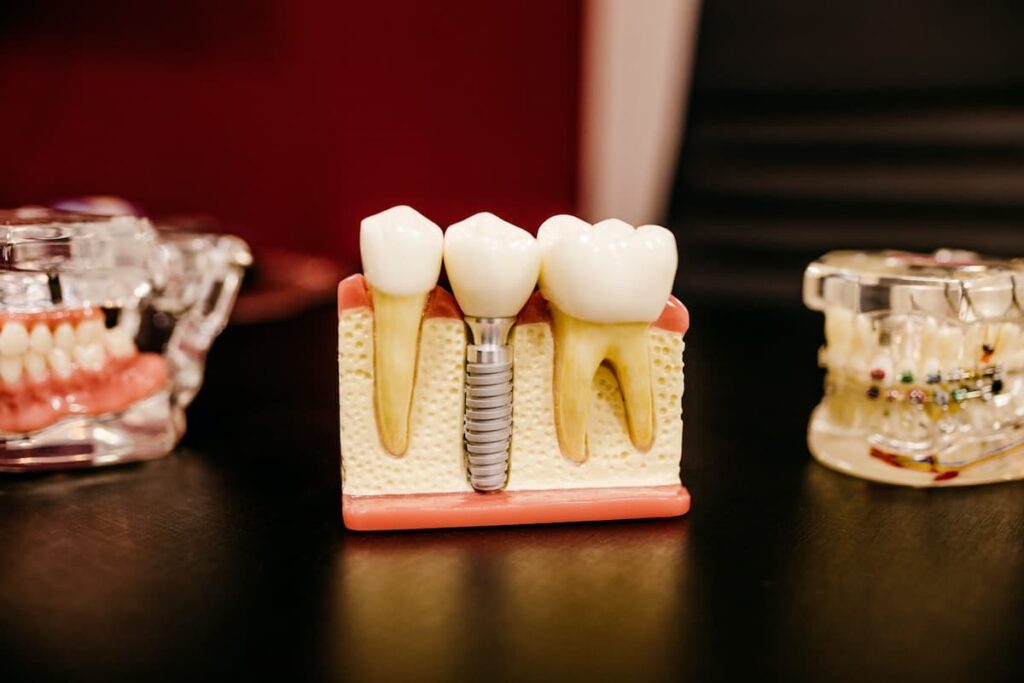
Patients exploring tooth replacement often begin with safety concerns before aesthetics or cost. Dental implants have become a common solution worldwide, yet many people still question long-term effects, surgical risks, and overall reliability. This in-depth guide explains dental implant safety using clinical reasoning, patient outcomes, and practical insight, so readers can make confident decisions based on facts rather than assumptions. Patients researching Implant dentistry often seek clarity on safety before moving forward with treatment.
Understanding Dental Implants and How They Work
Dental implants function as artificial tooth roots placed directly into the jawbone. Titanium or zirconia posts fuse with bone through a natural biological process called osseointegration. Stability created during healing allows the implant to support a crown that performs like a natural tooth during chewing, speaking, and daily use.
Unlike removable dentures, implants remain fixed. Bridges depend on neighboring teeth for support, while implants stand independently. Independence protects surrounding teeth and helps preserve jawbone structure, which directly influences long-term oral health.
Scientific Evidence Supporting Implant Safety
Extensive clinical research confirms dental implants as a safe and predictable dental procedure. Long-term studies following patients for ten years or more consistently report success rates above ninety-five percent when proper protocols are followed.
Global use across millions of cases provides strong real-world data. Consistency of outcomes across different population age groups and treatment settings reinforces confidence in implant safety and reliability.
Biological Compatibility With the Human Body
Titanium implants integrate seamlessly with human bone tissue. Bone cells grow directly onto the implant surface rather than forming scar tissue, creating a strong and stable bond. This biological response explains why implants tolerate chewing forces similar to natural teeth.
Systemic reactions remain extremely rare. The body accepts implant materials as stable structures rather than foreign threats, which reduces rejection risk significantly.
Surgical Risks Explained Clearly
Every surgical procedure involves some level of risk, yet dental implant surgery remains minimally invasive when performed correctly.
Short-Term Surgical Effects
Swelling, mild bleeding, and localized tenderness commonly appear during the first few days after surgery. Discomfort levels usually stay lower than those experienced during tooth extraction. Symptoms typically resolve with prescribed aftercare and rest.
Infection rates remain low when sterile techniques, patient hygiene, and follow-up care align properly. Antibiotics may be recommended based on individual health factors.
Long-Term Complications and Causes
Late complications usually relate to incomplete bone integration or inflammation around the implant, known as peri-implant disease. Poor oral hygiene, smoking, and missed dental visits increase this risk.
Nerve irritation or sinus involvement occurs rarely and is often linked to inadequate diagnostic planning. Modern imaging techniques significantly reduce such complications when used before surgery.
Who Is a Good Candidate for Dental Implants
Eligibility depends on bone density, oral health, and general medical condition rather than age alone. Many adults qualify even after years of tooth loss.
Medical Factors That Influence Safety
Controlled diabetes typically allows implant placement with careful planning. Smoking increases the risk of failure due to reduced blood supply to the gum tissue. Patients who stop smoking before and after surgery experience better healing outcomes.
Bone grafting procedures make implants possible for patients with insufficient jawbone volume.
Lifestyle Habits That Affect Outcomes
Teeth grinding places excessive force on implants without protective appliances. Daily brushing, flossing, and professional cleanings support gum health and implant stability, and incorporating supportive options like Amazon oral probiotics may further help maintain a balanced oral environment.
Commitment to maintenance plays a greater role in success than any single clinical factor.
Materials Used in Dental Implants
Titanium remains the most widely used implant material due to its strength, durability, and compatibility with bone. Allergic reactions remain extremely uncommon.
Zirconia implants offer a metal-free alternative for patients with aesthetic concerns or sensitivities. Current research supports safety, though long-term data remains shorter than that of titanium systems.
Crowns attached to implants use ceramic or zirconia materials designed to withstand chewing pressure while matching natural tooth appearance.
Pain Levels and Recovery Experience
Fear of pain often discourages patients from treatment. Modern implant placement causes minimal discomfort due to effective anesthesia and precise surgical techniques.
Most individuals resume normal routines within one to two days. Bone healing continues over several months beneath the surface without disrupting daily activities.
Following post-surgery instructions greatly influences comfort and healing speed.
Comparing Implants With Other Tooth Replacement Options
Bridges require the removal of healthy tooth structure, which weakens adjacent teeth over time. Dentures may shift during eating and contribute to progressive bone loss.
Implants preserve bone density and facial structure. That preservation supports both function and appearance over the long term.
From a safety perspective, implants reduce secondary damage to surrounding teeth and jawbone.
Real Success Rates and Influencing Factors
Clinical data show implant success depends on accurate planning, surgical expertise, and patient cooperation. Early failure remains uncommon and usually appears within the first few months.
When failure occurs, replacement often succeeds after correcting contributing factors such as infection or bite imbalance. Long-term stability improves significantly with proper maintenance.
Common Myths About Implant Safety
Some believe implants cause systemic illness despite no scientific evidence supporting such claims. Others assume implants frequently loosen or fall out, which contradicts decades of clinical outcomes.
Education replaces fear-driven myths with realistic expectations based on data and experience.
Choosing the Right Implant Provider
Experience and training directly influence safety results. Implant dentistry requires advanced education beyond general dental practice.
Providers using three-dimensional imaging and clear treatment planning reduce surgical risks. Transparent discussions about benefits, limitations, and aftercare reflect ethical clinical standards.
Selecting expertise over cost often leads to better long-term outcomes.
Long Term Care and Ongoing Safety
Implants require the same care as natural teeth. Daily brushing, flossing, and routine professional cleanings protect the surrounding gum tissue.
Regular dental reviews help detect inflammation or bite stress early. With consistent care, implants often last for decades.
Final Patient Guidance
Dental implants represent one of the safest and most reliable tooth replacement solutions available today. Strong clinical evidence supports their use across diverse patient profiles.
Informed decisions combined with skilled treatment and consistent maintenance create predictable long-term results. Safety comes from preparation, professional expertise, and patient responsibility.
Individuals seeking permanent tooth replacement can proceed with confidence when guided by accurate information rather than uncertainty. Patients considering treatment at White Lily Medical benefit from experienced care and structured implant planning.