

Most of us know the frustration of watching the clock tick past midnight while sleep remains elusive. Between the blue light from our screens, daily stress, and endless to-do lists, our bodies often forget how to wind down. We try herbal teas, blackout curtains, and white noise machines, yet deep, restorative rest can still feel out of reach.
But what if the solution isn’t about adding something new to your routine, but reconnecting with something old?
This is the core concept behind grounding, also known as earthing. It is a practice that is gaining attention for its potential to reset natural sleep rhythms by reconnecting the body to the earth’s natural energy.
What is grounding?
At its simplest, grounding is the act of making direct physical contact with the earth. Think about that feeling of relief when you walk barefoot on wet grass or sand. That isn’t just psychological; it is physiological.
The earth carries a subtle, natural electrical charge. It is rich in free electrons. When your bare skin touches the earth, your body absorbs these electrons. Scientific theories suggest that these electrons act as natural antioxidants, neutralizing positively charged free radicals in the body that contribute to inflammation and stress.
In the past, humans slept on the ground and walked barefoot. We were constantly connected. Modern life, with its rubber-soled shoes and elevated beds, has effectively insulated us from this natural energy source.
Bringing the earth indoors
While sleeping on the lawn might sound nice in theory, it isn’t practical for most people. This is where grounding products come into play.
These tools are designed to replicate the electric current of the earth from the comfort of your bedroom. The most common options include:
- Grounding sheets and pillowcases: These are woven with conductive silver threads.
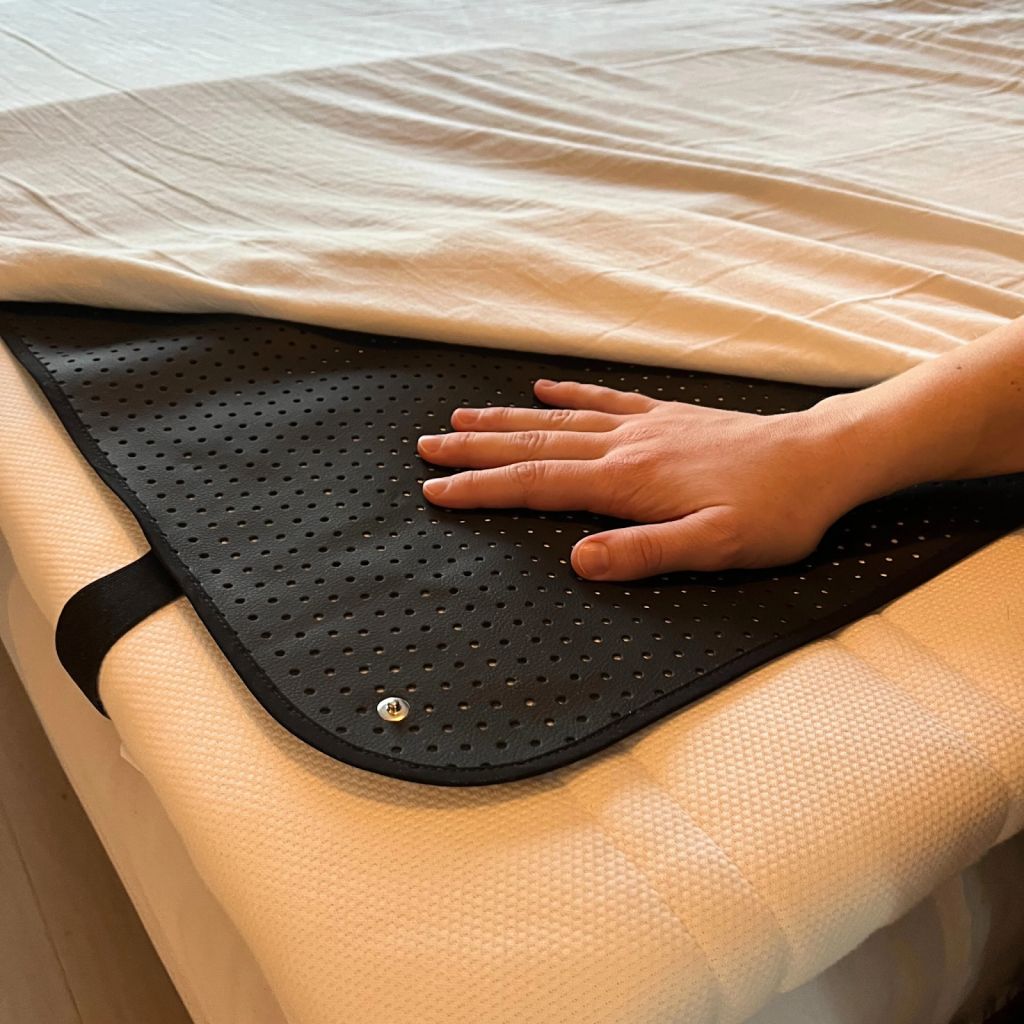
- Grounding mats: Pads that can be placed under your feet or on top of a mattress.
- Patches and bands: Smaller items for targeted contact.
These items typically plug into the ground port of a standard electrical outlet. It is important to note that they do not use electricity. Instead, they connect to the ground wire in your home’s wiring system, creating a conductive path between you and the earth outside.
Why grounding helps you sleep better
The primary reason people turn to grounding is to improve sleep quality. The benefits usually stem from how the practice effects the nervous system and stress hormones.
Lowering cortisol levels
Cortisol is your body’s main stress hormone. Ideally, cortisol is high in the morning to wake you up and low at night to help you sleep. However, chronic stress often flips this rhythm, keeping cortisol high when you are trying to rest. Studies suggest that grounding helps normalize cortisol profiles, aligning them with your natural circadian rhythm.
Reducing inflammation and pain
Many people struggle to sleep due to chronic pain or discomfort. By neutralizing free radicals, grounding may help reduce inflammation in the body. Less pain means less tossing and turning, leading to longer periods of uninterrupted deep sleep.
Calming the nervous system
Grounding appears to shift the body from the sympathetic state (fight or flight) to the parasympathetic state (rest and digest). This shift physically relaxes the body, slowing the heart rate and preparing the mind for sleep.
How to use grounding products effectively
Integrating grounding products into your nightly routine is fairly passive, but there are a few tips to maximize the benefits.
1. Maximize skin contact
For the electron transfer to work, your skin needs to touch the conductive material. If you are using a grounding sheet, try to sleep with as much exposed skin as possible. If you wear thick pajamas, the effect may be diminished.
2. Make it a routine
Consistency is key. While some people report feeling a difference after one night, it often takes time for the body to adjust and for inflammation to subside. Make grounding a non-negotiable part of your sleep hygiene.
3. Combine with other healthy habits
Grounding works best when paired with other good sleep practices. Continue to dim the lights an hour before bed and keep your room cool. The combination of a calm environment and physiological grounding creates the perfect recipe for deep rest.
Reconnect to rest
We spend so much of our lives insulated from the natural world. By finding ways to reconnect—even while we sleep—we can help our bodies return to a state of balance. If you are looking for a natural, non-invasive way to improve your sleep quality, exploring the world of grounding might be the reset button you have been looking for.
