

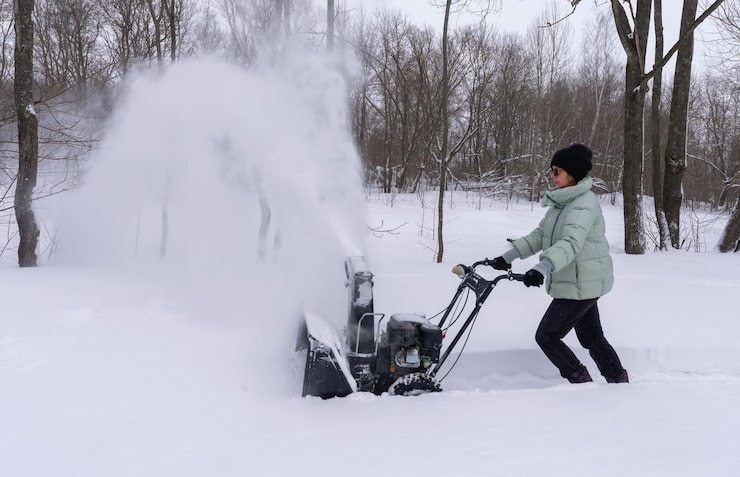
Winter in Calgary brings its usual challenges, and many homeowners find themselves facing thick layers of frozen precipitation covering driveways and walkways. Most people think of traditional tools, but there are a few unconventional options that can tackle light layers quickly. Some devices that generate strong air currents have been tried, though results vary depending on temperature and moisture content.
People often ask whether these machines can handle a fresh layer versus the compacted stuff that lingers after a few days. Small, powdery layers tend to respond better, while wet or heavy accumulation can slow the process considerably. I’ve seen cases where a simple handheld device cleared a thin layer in minutes, yet thicker coverage required more conventional equipment.
It’s worth considering a few practical points before attempting this method. Surface type matters a lot; asphalt and concrete generally allow easier clearing, while textured or uneven areas can trap moisture and make removal inconsistent. Also, airflow strength and direction can make a noticeable difference. Some users experiment with multiple passes, adjusting speed and angle each time, to get better results.
For anyone curious, trial and error seems inevitable. The approach can work in certain scenarios, but it’s not a universal fix. You might find it handy for light mornings after an overnight frost, but less so for heavier, wetter accumulation. Observing how your own property reacts is often the only way to know what works best. Perhaps you’ll find a balance that saves time and reduces strain, though it’s not guaranteed.
Using a Powered Air Tool for Winter Clearing
Some homeowners experiment with handheld machines that produce strong airflow to shift frozen precipitation from paths and driveways. In light, powdery conditions, these devices can move a thin layer fairly quickly, sometimes cutting down the time spent shoveling. I’ve tried it myself on a short driveway; it worked, though not perfectly. Bits would linger in corners and uneven spots.
Performance depends heavily on the moisture content and thickness of the accumulation. Dry, fluffy frost slides easily under a gust of air, but once it starts clumping or packing down, these tools struggle. For instance, I noticed that a single pass over a thick patch barely made a dent, so multiple passes or supplementing with a small shovel becomes necessary.
Some practical tips from experience include keeping the device moving steadily and adjusting the angle as you go. Edges and textured surfaces often require extra attention. Small experiments in different areas of your property help you understand how the airflow interacts with the ground, which can save a bit of frustration later.
Another point to consider is safety. Flying debris or ice chunks can cause minor injuries or damage nearby objects. Wearing protective eyewear and gloves is advisable, even if it seems like overkill for a light layer. It’s a small precaution that often pays off. Perhaps this approach won’t replace traditional methods entirely, but in certain situations, it can reduce strain and save a few minutes.
Selecting the Right Powered Air Tool for Light Winter Clearing
Choosing the appropriate handheld device for clearing thin layers of frozen precipitation requires a few practical considerations. Airflow speed and volume are the main factors. A tool that produces at least 200 km/h gusts can shift light accumulation fairly easily, while lower speeds often leave patches behind.
Weight and maneuverability matter too. You might think a heavier unit would be more powerful, but it can tire your arms quickly, especially during extended use. I once tried a high-powered model on a narrow pathway and ended up switching to a lighter device after just a few minutes.
Fuel type affects convenience and handling. Electric models are quieter and lighter, but battery life can limit coverage. Gas-powered options run longer but require more maintenance and can be noisier. For most small driveways or sidewalks, a corded or battery-operated unit usually works fine.
Some additional points to keep in mind:
- Check the nozzle size and shape; narrower tips focus airflow better for thin, powdery layers.
- Consider adjustable speed settings to adapt to changing conditions.
- Look at comfort features like padded handles or variable grips; small details can reduce fatigue.
- Test the tool briefly on a small patch before tackling the whole area; it helps gauge performance.
Choosing the right device isn’t about picking the most powerful option. It’s about matching the tool to the thickness, moisture, and area you’re managing. Perhaps experimenting with a couple of models will reveal what feels easiest for your own property.
Techniques for Clearing Driveways and Sidewalks
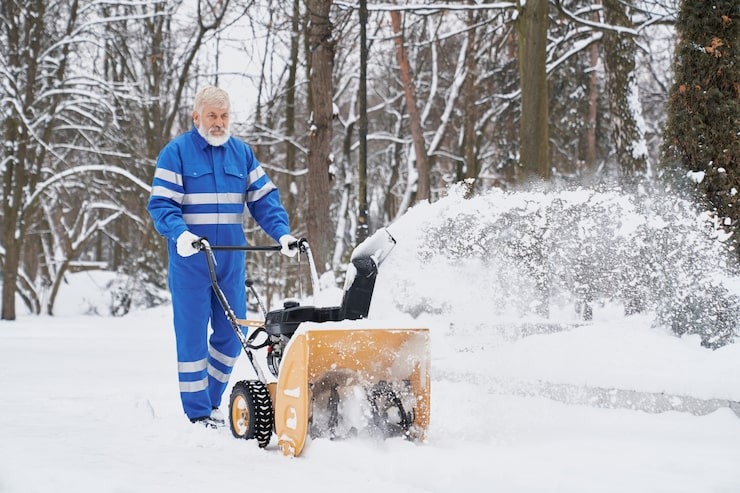
There are a few practical ways to tackle frozen precipitation on driveways and walkways. Using a powered air device works best on thin, dry layers. Keep the unit moving steadily and adjust the angle often to prevent patches from lingering in corners or near edges.
Breaking up compacted layers first can make the process faster. A small shovel or push broom works well to loosen tight areas before using the air tool. It takes a little patience, but the combination usually clears surfaces more completely than relying on one method alone.
For wider areas, working in sections helps. Focus on a strip about a metre wide at a time. This prevents the accumulation from being pushed back into cleared zones. Also, consider airflow direction; moving precipitation toward the sides instead of the middle reduces repeated effort.
Some tips that might make a difference:
- Use short, overlapping passes to catch leftover flakes.
- Pay attention to textured surfaces; uneven concrete or pavers may trap moisture.
- Check for icy patches that could block airflow and address them separately.
- Adjust speed settings on the device depending on thickness and moisture content.
Experimenting on a small section first often shows which approach works best. It’s not always consistent; what works one morning may be less effective after a thaw or light freezing rain. Perhaps adjusting your routine slightly will save time and reduce strain on your arms.
Limitations of Using a Powered Air Tool in Heavy or Wet Conditions
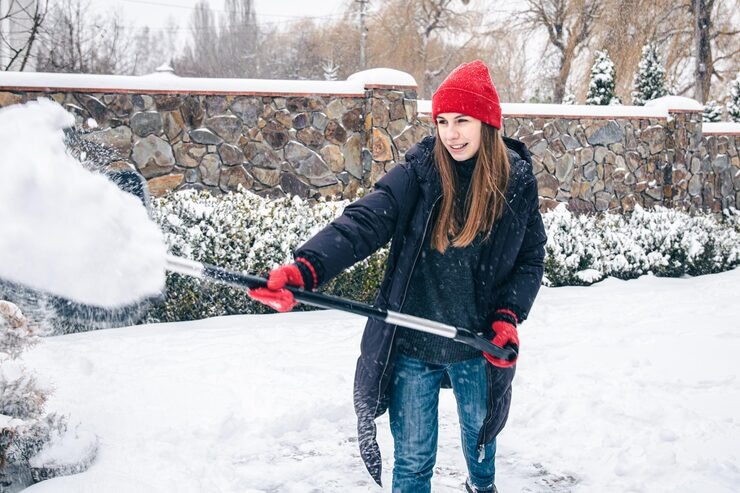
These machines have clear limits when handling thick or moisture-laden layers. Dense coverage often sticks together, making it difficult for airflow alone to shift it. Even a high-speed unit struggles once precipitation becomes compacted or starts melting slightly.
Another challenge is weight and control. Wet accumulation adds resistance, and the device can feel heavier to manage. I noticed that attempting large sections at once often leads to frustration and uneven clearing. Smaller, repeated passes usually work better.
Surface and Moisture Considerations
Concrete and asphalt respond differently than textured or gravel areas. Moisture can pool in grooves, making removal inconsistent. Trying to tackle thick, wet layers without addressing these spots often results in patches left behind.
Safety and Practical Limits
Flying chunks of ice or slush pose risks. Protective eyewear and gloves help, but even so, heavy layers may require manual assistance. A small shovel or broom to break up clumps before using the air tool reduces effort and limits damage to nearby objects.
Ultimately, these devices perform best on light, dry coverage. Heavy or wet conditions may force a hybrid approach, combining airflow with more traditional clearing tools. Perhaps using the tool in short bursts rather than extended sessions is the most practical approach for thicker areas.
Safety Tips and Precautions While Clearing Winter Accumulation
Handling a powered air device for clearing frost or frozen layers requires caution. Fast airflow can send small ice chunks flying, and uneven surfaces may cause slips. Keeping a careful approach reduces risk and makes the process smoother. Well-constructed and properly maintained surfaces such as Driveways Stoke on Trent not only improve curb appeal but also make snow removal with tools like a leaf blower more efficient and less damaging during winter months.
Some practical safety steps include:
- Wear protective eyewear to guard against flying debris.
- Use gloves to maintain grip and protect hands from cold and sharp particles.
- Check for loose stones, sticks, or other obstacles before starting.
- Keep bystanders and pets away from the area while operating the device.
- Avoid aiming the airflow at fragile surfaces or windows to prevent damage.
- Take breaks if arms or shoulders get fatigued; it helps maintain control.
It’s also wise to consider surface conditions. Wet or icy patches require extra attention. Adjusting stance and angle reduces slips and improves clearing efficiency. Perhaps a slower pace on tricky sections is safer than rushing through the task.
Maintenance checks matter too. Ensure the unit is in good working order before each session. Inspect cords, batteries, and nozzles for wear or damage. Small issues ignored early can lead to accidents or decreased performance.
Contact “PROPERTY WERKS” For More Information:
Address
1017 1 Ave NE, Calgary, AB T2E 0C9
Phone
403 239-1269
Hours of operation
Weeksdays 9 a.m.–5 p.m.
Website
Map
Get Directions
Q&A:
Is it possible to clear thin layers of frozen precipitation using a handheld air tool?
Yes, lightweight and powdery layers can often be shifted using a strong gust of air from a handheld device. It works best on recently fallen frost or dry accumulation. Heavier, wet, or compacted layers will not move as easily and may require additional manual effort.
What type of powered air device works best for driveway and sidewalk clearing?
Devices with airflow speeds around 200 km/h or more generally perform well on light layers. Electric models are quieter and easier to handle, while gas-powered units offer longer runtime but require more maintenance. Lighter tools reduce fatigue during longer sessions, especially on narrow or uneven areas.
Are there limitations when using a gusting device on wet or packed surfaces?
Yes, moisture or compacted layers reduce the tool’s effectiveness. Wet accumulation tends to stick together, and compacted frost can be resistant to air alone. Breaking up dense sections with a small shovel or push broom before applying airflow usually helps improve results.
What safety precautions should be taken while operating these devices in winter conditions?
Wear protective eyewear and gloves to guard against flying ice and debris. Clear the area of obstacles, keep pets and bystanders away, and avoid directing airflow toward fragile objects. Pausing if your arms get tired helps maintain control and reduces risk of slips or accidents.
Is it practical to rely solely on a powered air device for clearing large areas?
Not always. For larger driveways or sidewalks, the device is best used in combination with other tools or broken into sections. Short, repeated passes often yield better results than attempting a continuous sweep, and surface texture may require additional attention to avoid leftover patches.
Is it realistic to use a powered air tool on a driveway after a heavy frost?
It depends on the thickness and moisture of the frost. Thin, dry layers shift fairly easily, but thick or icy patches may not budge. In those cases, a small shovel or push broom helps break up stubborn areas before using the air device, making the process smoother and faster.
What are the main risks when operating a gusting device on sidewalks?
The main hazards include flying ice or slush, slips on icy spots, and potential damage to nearby objects. Wearing protective eyewear and gloves is important, and keeping a safe distance from pets or people helps prevent accidents. Adjusting stance and moving slowly in tricky sections also reduces risk while keeping control.