

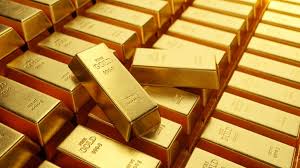
A common question among investors is when it would be prudent to allocate a percentage of their portfolio to gold, silver, or other precious metals. In actuality, there is seldom a one-size-fits-all solution since time may be affected by a wide range of personal and economic considerations. Knowing why precious metals have lasting worth and when the market indicates that adding them might improve or safeguard your financial situation are what really count. You may make informed judgments that suit your risk tolerance and retirement objectives by being aware of the warning signals and tactics.
Knowing The Significance Of Precious Metals
People have known that precious metals like gold and silver are significant possessions for thousands of years. Metals often retain or even rise in value during difficult financial times, in contrast to paper money, which may lose purchasing power owing to inflation. They are thus a desirable hedge in times of economic volatility. Metals may serve as a counterweight to stocks, bonds, and real estate in contemporary diversified portfolios, providing security in times of market volatility.
For example, gold is often seen as a safe haven. When investors are uncertain about the path of the global economy, they use it to protect their capital. Although it is more directly related to industrial demand, silver also has an impact. You may choose the best mix for your objectives by being aware of these variations.
Indications That Investing In Precious Metals Could Be A Good Idea
The best moment to start transferring money into real gold or silver might be indicated by a number of factors. Growing inflation is one of the most powerful indicators. The buying power of money declines when prices for goods and services rise more quickly than incomes and savings. Because of their historical significance during these times, precious metals are a sensible choice for preserving financial stability.
The volatility of the stock market is another powerful indicator. Investors seek assets that move in different directions when markets exhibit lengthy downturns or become unpredictable. Because precious metals often perform differently from equities, the total risk of a portfolio may be decreased.
Another aspect is geopolitical unpredictability. Currency prices may fluctuate quickly as a result of events like wars, supply chain interruptions, or disputes over the world economy. Because they are not correlated with any government or financial organisation, physical assets like gold may become more attractive during these periods.
Metals To Balance Your Portfolio
Typically, the goal is not to convert all of your retirement funds or investments into precious metals. Many seasoned financial advisors advise adding a proportion of metals instead, depending on factors including age, long-term objectives, and level of tolerance with market risk. Some start with a modest investment and gradually modify it as market circumstances change. Metals are often used for security rather than rapid expansion.
You may store actual precious metals under tax-advantaged regulations comparable to regular retirement savings if you’re thinking about using a retirement account strategy, such as a Gold IRA. Storage and compliance are managed by custodians and authorised dealers, ensuring a transparent and safe procedure. Visit website to study instructions on rollover procedures, custodial requirements, and suitable metals to include for further information on selecting the best structure.
When Individual Situations Affect The Timing
Investing in precious metals at the correct moment might often depend more on your own financial planning stage than the state of the economy. For instance, a person who is getting close to retirement would desire stability and less exposure to fluctuations in the stock market. Metals may be added gradually by a younger investor to provide long-term protection. Events in life, such as arranging for an inheritance or diversifying after selling real estate, may also naturally prompt a review of the structure of a portfolio.
Your level of risk tolerance is also important. Because they provide a more secure foundation, precious metals may provide peace of mind if significant fluctuations in the stock market generate anxiety or tension.
A Well-Informed And Considered Choice
There is no one ideal time to purchase precious metals. Rather, the decision is guided by indicators, tactics, and individual characteristics. You can determine when metals could be advantageous by knowing how inflation, market volatility, and global uncertainty affect things. By carefully balancing your portfolio, you may make sure that precious metals enhance your long-term financial security rather than take the place of your overall investing approach.
Precious metal additions may help preserve buying power, safeguard wealth, and provide security in unpredictable economic times with the right preparation and knowledge.
