

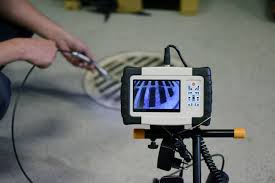
Plumbing systems are often hidden behind walls, under floors, or deep underground, making it challenging to locate problems without tearing apart your property. This is where modern technology steps in. Borescopes, also known as inspection cameras, have become an essential diagnostic tool for plumbers, helping them pinpoint hidden issues without unnecessary damage or costly trial-and-error methods. These advanced devices take the guesswork out of plumbing, allowing professionals to visually inspect pipes, drains, and sewer lines with precision.
How Borescopes Work
A borescope is a small, bendable viewing tool with an LED light and a high-resolution camera on the end. The camera sends live video to a screen, which lets plumbers see what’s going on inside lines or drains right now. Some models even record images or videos, making it easier to document issues for repair estimates or insurance claims. With this level of visibility, plumbers can identify problems such as clogs, corrosion, cracks, root intrusions, or misaligned joints without having to dismantle large sections of plumbing.
Diagnosing Hard-to-Find Problems
Traditional plumbing inspections often relied on guesswork, using symptoms like slow drains, water discoloration, or low pressure to infer the problem’s location. However, these symptoms rarely tell the full story. A borescope eliminates uncertainty by offering direct visual confirmation. For instance, if a homeowner experiences recurring drain clogs, a borescope inspection can reveal whether the cause is accumulated debris, a cracked pipe, or invasive tree roots. This accuracy not only saves time but also ensures the right repair is made the first time, avoiding repeat service calls.
The Role of Borescopes in Sewer Line Inspections
One of the most common questions homeowners ask is, “Should I get a sewer line inspection?” The answer is yes, especially if you’re experiencing frequent drain backups or foul odors from your plumbing system. It can be hard to get to sewer lines, and a small problem there can cause a lot of damage to your property if you don’t fix it. Borescopes allow plumbers to inspect the full length of the sewer line, identifying blockages, cracks, or collapsed sections without excavation. Early detection can prevent major repairs and extend the life of your plumbing system.
Cost-Effective and Non-Invasive Diagnostics
Before borescope technology became common, plumbers often had to dig up floors or yards to find hidden leaks or blockages. This invasive process was both time-consuming and expensive. Today, a borescope inspection offers a far more affordable alternative. By accurately locating the source of the issue, plumbers can focus their efforts on the exact problem area, minimizing labor costs and property damage. For homeowners, this translates into peace of mind knowing the inspection is thorough yet non-destructive.
Applications Beyond Residential Plumbing
Borescope inspections are not just for home plumbing systems. They are widely used in commercial and industrial environments where pipes are longer, larger, and more complex. From manufacturing facilities to restaurant kitchens, these cameras help maintain efficient water and waste systems by identifying potential problems before they disrupt operations. Since they can be used in many different ways, they are useful in many fields that need reliable pipes.
Enhancing Preventive Maintenance
Routine plumbing inspections are crucial for avoiding costly emergencies. By incorporating borescope technology into preventive maintenance, property owners can detect early signs of wear, corrosion, or buildup before they escalate into severe issues. This proactive approach keeps plumbing systems running smoothly and helps prevent sudden failures that could lead to flooding or water damage.
Conclusion
Borescopes have revolutionized how plumbers diagnose and repair hidden plumbing issues. They provide an accurate, non-invasive way to locate and address problems that once required destructive investigation. Whether you’re dealing with unexplained leaks, slow drains, or are simply wondering, “Should I get a sewer line inspection?”, a professional borescope inspection is the best way to find out what’s really happening inside your pipes. By eliminating guesswork, this advanced tool saves both time and money while ensuring long-term plumbing reliability.
