

Child custody is one of the hardest and most complicated legal problems to settle when parents split up or get divorced. While the court’s main goal is always to do what’s best for the kid, parents can feel more confident and clear-headed about the process if they know how custody decisions are made.
Understanding Child Custody
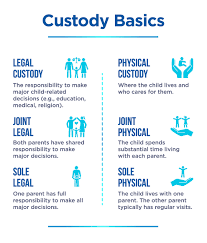
Legal custody and physical custody are the two main types of child custody. Being legally in charge of a child means being able to make important decisions about how to raise them, like where they go to school, their health care, and their religious beliefs. You have the right to choose where your child lives and how much time they spend with each parent.
Most of the time, judges support joint custody, which lets both parents stay involved in their child’s life. But if conflict, distance, or other reasons make joint custody impossible, one parent may be given main custody and the other may be allowed to visit.
Factors That Influence Custody Decisions
When courts decide who gets custody, they look at a lot of different things. These factors are designed to ensure the child’s safety, stability, and overall well-being. Some of the most common include:
- The child’s best interests: Above all else, the court prioritizes the child’s emotional and physical welfare.
- Parental stability: Judges look at each parent’s ability to provide a stable home environment, consistent care, and financial support.
- Parental cooperation: How willing each parent is to help the child have a good bond with the other parent is very important.
- The child’s relationship with each parent: Courts often consider the strength of the child’s existing bond with both parents.
- The child’s age and preference: Depending on the child’s maturity, their preferences may be taken into account.
- History of abuse or neglect: Any proof of domestic violence, drug abuse, or mistreatment can have a big effect on custody decisions.
The Role of Mediation
Before resorting to court intervention, many families try mediation to resolve custody disputes. Mediation offers a less confrontational environment, helping parents collaborate and reach an agreement that benefits everyone—especially the child. This process can reduce emotional strain, save time and legal expenses, and promote better co-parenting relationships in the long run.
A skilled Delaware County PA child custody attorney can help parents navigate this process, ensuring that their rights and their child’s best interests are protected. Attorneys experienced in family law understand how to negotiate effectively and can provide guidance on what agreements are most likely to be approved by the court.
Modifying Custody Orders
Even after a custody order is in place, circumstances can change. A parent may move, remarry, or experience changes in employment or health that affect their ability to care for their child. In such cases, custody arrangements can be modified if it’s proven that the change serves the child’s best interests. Legal guidance is essential in these situations, as courts require substantial evidence before approving a modification.
Focusing on the Child’s Future
At the heart of every custody decision lies one fundamental question: What arrangement will best support the child’s growth and happiness? Successful co-parenting requires communication, cooperation, and a commitment to putting the child first. Parents who work together, rather than against each other, help create a stable foundation that allows their child to thrive despite family changes.
Child custody cases can be hard on people’s feelings and complicated legally, but knowing how decisions are made can help people feel less unsure. With the help of an expert Delaware County, PA child custody lawyer, parents can go through the process with peace of mind, knowing that they are making choices that put their child’s well-being first.
