

Ridesharing has become a normal part of daily life for many people, offering convenience, affordability, and quick transportation across the city. However, when an unexpected accident happens during a ride, passengers are often left confused about what to do next. Understanding the insurance process is essential because rideshare accidents involve multiple parties, different insurance policies, and sometimes unclear liability. If you know your rights and how coverage works, you can make sure you get enough money for your claims and accidents.
Understanding Whose Insurance Applies
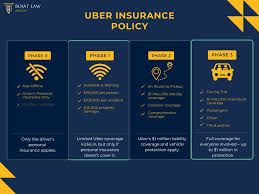
Unlike typical car accidents, where one driver’s insurance usually covers the damages, rideshare accidents involve different scenarios that determine which insurance policy applies. Uber provides insurance coverage while a driver is actively using the app, but the level of coverage depends on what the driver was doing at the time of the collision. There might be less service if the driver is waiting for someone to ask for a ride. There is more coverage if the driver agreed to the trip and was on their way to pick up a passenger or already had a passenger in the car.
This layered structure often causes confusion for passengers because insurance companies may attempt to shift responsibility. The driver’s personal insurance may claim the accident occurred during commercial use, while Uber’s insurance may question fault or attempt to reduce payouts. This is why it is important to document the situation and understand the coverage that applies during your ride.
The Role of Liability in a Rideshare Accident
Determining fault is a major factor in any accident, and it becomes even more important when multiple parties are involved. In some cases, the Uber driver may be at fault. Other times, another driver may have caused the crash. There are also situations where both drivers share responsibility. As a passenger, you did nothing wrong, yet you may still find yourself dealing with delays and disputes between insurance companies.
This is one of the main challenges passengers face. Each party may attempt to minimize its financial responsibility. In cases where the other driver is at fault and uninsured or underinsured, Uber’s coverage may step in, but only if the accident falls within its coverage conditions. These situations require careful handling to avoid delays or denied claims.
What to Do Immediately After an Uber Collision
Your safety and health should always come first. Even if you feel fine, it is wise to seek medical attention because some injuries take time to show symptoms. After that, gather as much information as possible. Take pictures of the vehicles, your location, and any visible injuries. Find out the drivers’ names and how to reach them, and make sure to report the problem through the Uber app. Also, getting a copy of the police record is a good idea because it will be important when you file your claim.
If you experienced an Accident with a uber driver, these steps help establish a clear record of the event, making it harder for insurance companies to dispute what happened.
Why Insurance Claims May Be Delayed or Denied
When insurance companies want to save money, they often offer low settlements or question whether the crash caused the injuries. They may request unnecessary documents, delay communication, or pressure you to settle quickly. Without understanding your rights, it is easy to accept less compensation than you deserve. That is why many passengers seek legal support to handle insurance negotiations.
Working With an Attorney Can Make a Significant Difference
A lawyer who has experience with rideshare accident cases can help you choose the right insurance, gather proof, talk to insurance companies, and fight for fair pay. This help is very important if the accident means you have to go to the doctor, miss work, or heal for a long time.
It’s not always easy to figure out how insurance works after an Uber accident. But with the right help and knowledge, passengers can confidently go through the process and make sure they get the money they deserve for their injuries and losses.
