

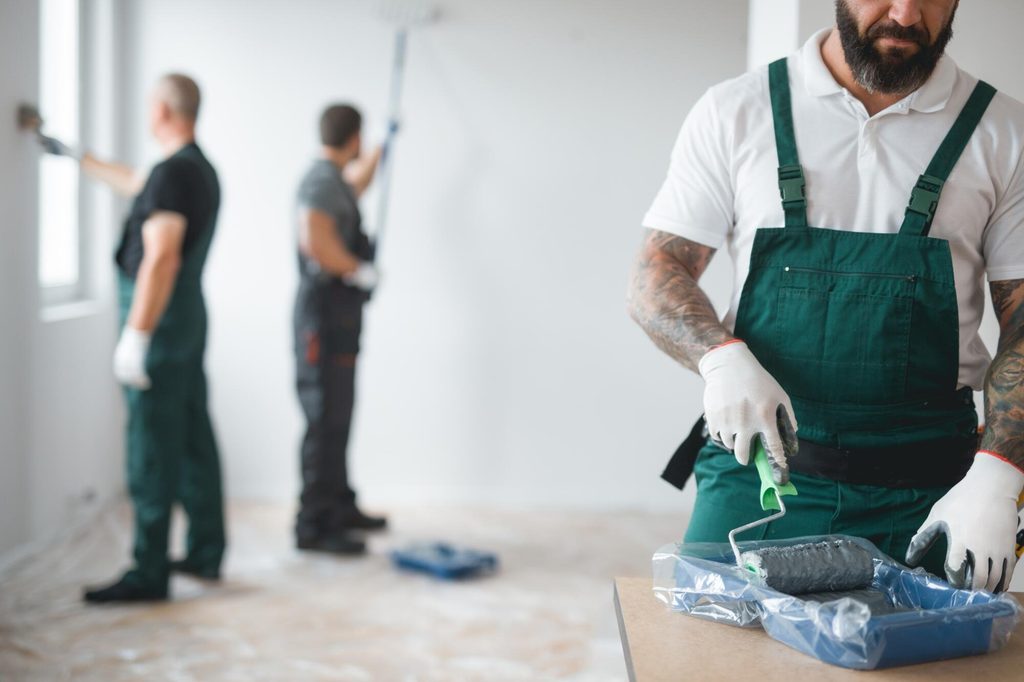
Starting a home improvement project brings excitement, but old buildings often hold unseen dangers. Tearing down walls or pulling up old flooring can disturb materials that have rested quietly for decades. Handling these tasks safely means knowing what lies behind the drywall before picking up a hammer.
Planning ahead keeps everybody safe during structural updates. Uncovering unexpected safety issues can derail a project quickly if you lack a solid strategy.
Continue reading to discover everything you need to know!
Spotting Threats Before Work Starts
Older construction frequently contains materials that require cautious handling. Properties built prior to the year 2000 often feature building products that pose health risks if disturbed. In homes built or refurbished before 2000, the sensible starting point is to identify suspect materials before the tools come out.
Identifying dangerous elements early prevents accidental exposure. Hiring professionals for expert asbestos and lead testing services such as https://scottasbestos.com/ gives homeowners total clarity before starting demolition. Taking this preemptive step shields workers and residents from airborne pollutants.
Careful inspections protect both your health and your renovation budget. Unexpected discoveries midway through a project lead to costly delays.
Safe Management Of Asbestos Risks
Disturbing fire-resistant materials can release dangerous microscopic particles into your living space. When asbestos-containing materials are cut, sanded, or smashed, they release microscopic, jagged fibers into the air. Breathing these tiny elements causes serious long-term respiratory issues.
Major structural changes require extra precaution to keep everyone on site safe. One effective way to manage asbestos risks during renovations is to conduct a Demolition and Refurbishment Survey, especially for projects involving significant structural changes. A survey identifies exact hazard locations so crews can avoid them.
Containing Hazards During Construction
Keeping dust from spreading throughout the house requires simple control measures. Wetting down materials containing asbestos can help prevent fibers from becoming airborne. Moisture binds small particles together, stopping them from floating into adjacent rooms.
Creating solid containment zones keeps surrounding spaces clean during messy repairs. Simple actions help limit the spread of dust.
Seal off doorways using heavy plastic sheeting and tape. Turn off central HVAC systems to stop airflow between spaces. Set up negative air pressure units to pull air outside.
Use specialized HEPA vacuums for cleaning work surfaces daily. Following strict containment protocols protects non-work areas from contamination. Taking time to prep the workspace saves hours of deep cleaning later.
Controlling Lead Paint Hazards
Older homes almost always feature layers of vintage paint beneath newer coats. Sanding or scraping these surfaces creates fine dust that settles on nearby furniture and floors. Children and pets face the highest risk from swallowing or breathing this dust.
Cleaning up toxic dust requires proper techniques to prevent spreading particles around. Wipe down hard surfaces – such as countertops, window sills, and door jambs – with a damp sponge, cloth, or paper towel. Dry sweeping or standard vacuuming only pushes harmful particles back into the air.
Proper disposal of contaminated cleaning rags prevents secondary exposure. Seal all used cleaning supplies in thick trash bags before disposal.
Protecting Your Living Space
Renovations should improve a home without compromising the health of the people living inside. Identifying hazards, setting up proper containment, and using wet cleaning techniques keep dust under control. Taking smart precautions ensures your updated space remains safe, clean, and comfortable for years to come.
Make sure to check out the rest of our articles!