

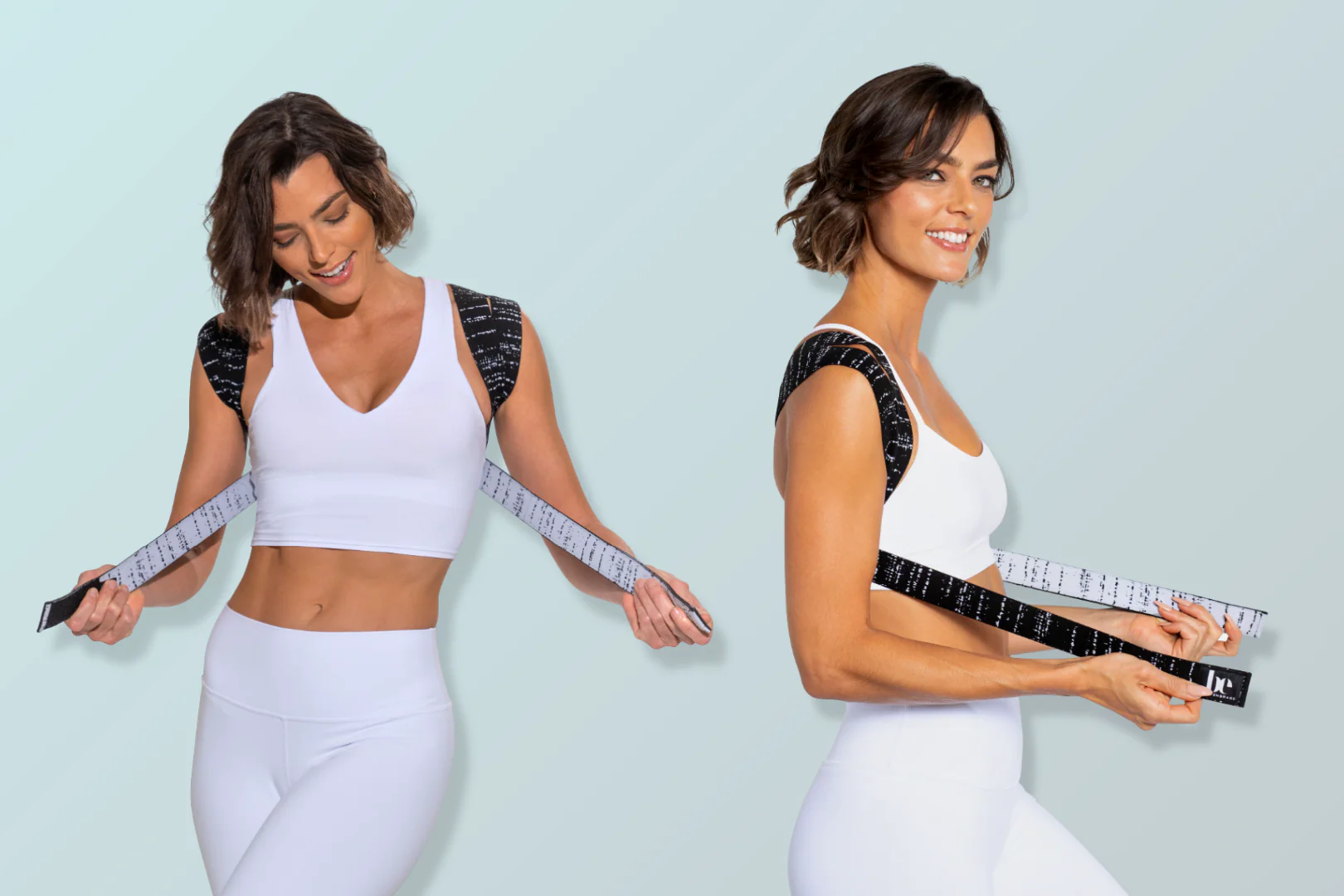
Bad posture is now one of the most common health problems without anyone really noticing. Spending a lot of time on laptops, scrolling through phones, and sitting at desks can slowly cause rounded shoulders, neck pain, and back pain. That’s why a lot of people are using a back posture corrector to help them get their bodies back in line.
One of the most common questions people ask is, “How long should a posture corrector be worn to see the best results?”
It might not help much if you don’t wear it enough. Your muscles might start to rely on it instead of getting stronger if you wear it for too long.
Let’s talk about the best time to use a posture corrector, what doctors usually suggest, and how to do it safely for the best results.
How a posture corrector works
A posture corrector is made to gently pull your shoulders back and put your spine in a healthier position. Most models go around the shoulders and upper back, which helps your body stay straight.
It’s important to know, though, that a back posture corrector doesn’t fix your posture on its own.
It serves as a reminder instead. It teaches your muscles and brain how to feel when you’re in the right position. With time, this awareness will help you naturally keep better posture.
It’s like training wheels on a bike: they help you learn how to balance, but you have to ride without them eventually.
How long should beginners wear them?
The worst thing you can do if you’re new to using a back posture corrector is to wear it for too long right away.
Most physiotherapists say to start out slowly.
Week 1:
Wear for 15 to 30 minutes daily.
Week 2:
Go up to 30–60 minutes a day.
Week 3–4:
Put it on for 1 to 2 hours per day.
This slow approach lets your back and shoulder muscles get used to the brace without becoming too dependent on it.
Your body needs time to build up the muscles that keep your posture straight.
Maximum Time You Should Wear a Posture Corrector
Most of the time, wearing a posture corrector for 1 to 3 hours a day is enough.
Unless a doctor tells you to, you shouldn’t wear it all day.
Why?
Because using too much can cause:
- Dependence on muscles
- Less muscle activity
- Natural posture muscles are getting weaker
You should train your muscles, not replace them.
Many experts say that you should wear the brace during activities that are bad for your posture, like:
- Using a computer
- Reading or studying
- Using a phone
- Sitting for a long time
Signs That Your Posture Corrector Is Working
A back posture corrector can help you become more aware of your posture in just a few weeks if you use it correctly.
Some signs that something is wrong are:
1. More awareness of your posture
You start to notice when you’re slouching, even when you’re not wearing the brace.
2. Less stress in the neck and upper back
Better alignment puts less stress on the neck and shoulders.
3. Better ways to sit
You naturally begin to sit up straighter.
4. Shoulders feel less tired
Your posture muscles get stronger over time.
When combined with stretching and strengthening exercises, noticeable improvements usually show up in 3 to 6 weeks.
When is the best time to use a posture corrector?
The best time to wear a posture corrector is when you’re doing things that make you slouch.
Some good times are:
- While working at a desk
Office workers often round their shoulders when they type. - While reading or studying
Students often lean forward for a long time. - While using phones and tablets
People get text neck all the time from looking down at their phones. - While doing light chores around the house
It helps you stay aware while you’re on the go.
Don’t wear it while working out, doing hard physical work, or sleeping.
Combine it with posture exercises
When you do strengthening and stretching exercises with a back posture corrector, it works best.
These exercises help strengthen the muscles that keep you in good posture.
Some good exercises are:
Squeezes of the shoulder blades
Bring your shoulder blades together and hold them there for 5 to 10 seconds.
Holds for wall posture
Put your head, shoulders, and hips against a wall.
Stretches for the chest
Stretch the tight chest muscles that pull the shoulders forward a lot.
Strengthening the upper back
Pulling resistance bands or doing rows are two exercises that can help with posture.
Even just 5 to 10 minutes of posture exercises every day can make a big difference in the long run.
Who should consider the use of a Posture corrector?
A posture corrector can help a lot of people, especially those whose posture problems are caused by their way of life.
People who use it often are:
- People who work in offices and sit for longer time
- Students who study for long periods of time
- People with slightly rounded shoulders
- People who have tech neck or tension in their upper back
But if you have severe spinal deformities, chronic pain, or a history of back injuries, you should always talk to a doctor before using one.
Common mistakes while using a posture corrector
People often use posture braces incorrectly, even though they are simple tools.
Here are some things you should avoid.
- All day long
Over time, the muscles get weaker. - Making it too tight
A posture corrector should gently push your shoulders back, not hurt them. - Not doing exercise
If you don’t make your muscles stronger, the results may not last. - Thinking you’ll get results right away
It takes time to change your posture because it takes years to build up.
Consistency is the most important thing.
Final Thoughts
A back posture corrector belt can help you improve your posture, ease back pain, and become more aware of your body. But using it in a balanced way gives the best results.
Most people can train their posture without making their muscles dependent on them by wearing a posture corrector for 1 to 3 hours a day.
Start out slowly, do it with exercises that strengthen your posture, and do it when you tend to slouch.
If you are suffering from injury and use it daily, you may start to notice better posture, less pain, and better spinal health in a few weeks.
Keep in mind that a posture corrector is not a long-term fix, but it can help you get into better posture habits.