

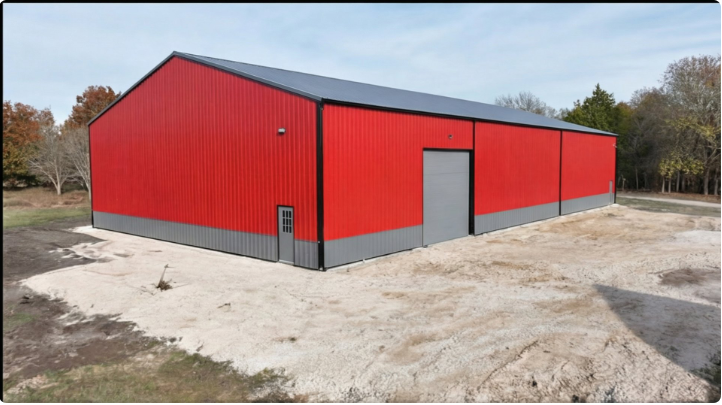
When it comes to choosing the material for your agricultural barn, the decision often boils down to two primary options: steel and wood. While both materials have their unique advantages, understanding the long-term maintenance and longevity of each can significantly impact your investment. This article provides a comprehensive comparison of steel versus wood agricultural barns, focusing on performance over time and maintenance requirements, specifically for steel agricultural barns.
The Resilience of Steel Agricultural Barns
Steel agricultural barns have been gaining popularity due to their durability and low maintenance needs. Steel is inherently strong and resistant to many environmental challenges that can compromise the integrity of traditional wooden structures. Unlike wood, steel does not warp, crack, or rot, making it an excellent choice for long-term use.
Weather Resistance
One of the most significant advantages of steel barns is their ability to withstand harsh weather conditions. Canada’s variable climate, which ranges from intense cold and snow to humid summers and heavy rainfalls, demands structures that can cope with extremes. Steel’s natural resistance to snow load, wind, and rain is unparalleled. This durability means fewer structural changes and maintenance activities, allowing owners to save valuable time and money.
Fire Safety
Fire safety is another critical factor where steel barns excel. Steel is non-combustible, meaning it can better withstand fire compared to wood, which can quickly ignite and spread flames. Having a non-combustible structure is particularly important in agricultural settings where flammable materials are often present.
Pest and Rot Resistance
The traditional enemy of wooden structures is biological deterioration via pests and rot. From termites to mould, wood is susceptible to a variety of enemies that can lead to significant maintenance and repair needs. Steel barns, on the other hand, are impervious to these biological threats. This inherent resistance ensures the structural integrity of the barn, irrespective of the external environment.
The Upside of Wood Barns
Wood barns have been a staple in agricultural settings for centuries and continue to appeal due to their aesthetic and traditional value. Many prefer the natural beauty and warm texture of wood, which can blend seamlessly into rural landscapes.
Customizability
One notable advantage of wooden barns is their ease of customization. Wood is a versatile material, allowing for a wide range of custom designs. This adaptability is often a deciding factor for those who prioritize architectural style and customization in their barns.
Initial Cost Considerations
Initially, the cost of constructing a wood barn can be more attractive when compared to steel. However, it is crucial to consider the lifecycle costs, which include maintenance and potential repairs. Over time, these costs can accumulate and overshadow the initial savings, especially considering the susceptibility of wood to environmental degradation.
Long-Term Maintenance
When evaluating long-term maintenance, the differences between steel and wood barns become more pronounced.
Maintenance of Steel Barns
Pre-engineered metal barns are designed to require minimal upkeep. The corrosion-resistant properties of steel, often enhanced by protective coatings, allow these barns to remain functional and aesthetically pleasing with little intervention. Some basic tasks may include occasional inspections for minor repairs, or repainting over several years to maintain the protective coatings against the elements.
Maintenance of Wood Barns
Wood barns, in contrast, demand consistent and often more rigorous maintenance regimes. Regular treatments with sealants and pest control measures are necessary to prevent degradation. Additionally, maintenance such as repainting and replacing decayed sections can be frequent, making it more labour-intensive and costly over time.
Environmental Impact
In today’s world, environmental considerations are increasingly important in construction decisions. Both steel and wood offer distinct environmental benefits and challenges.
Sustainability of Steel
Steel is one of the most recycled materials globally, which enhances its appeal in terms of sustainability. The production process for steel includes a significant amount of recycled content, and steel components can be recycled indefinitely without losing durability or strength. Additionally, steel barns often embody energy-efficient designs that contribute to reduced energy use over their lifespan.
Sustainability of Wood
Wood is a natural and renewable resource. The use of sustainably sourced lumber can contribute positively to environmental sustainability. However, the drawbacks include deforestation concerns and the carbon footprint associated with maintenance activities, such as painting and treating wood.
Longevity Comparison
When it comes to evaluating how long each type of barn lasts, steel again takes the lead. With proper maintenance, a steel barn can last upward of 50 years or more. In contrast, wooden barns, even with rigorous upkeep, might require significant repairs or replacements much sooner.
Investment Longevity
Investing in a barn is a significant decision for any agricultural professional. The longevity of a barn affects not only the productivity of the farm but also the return on investment. Steel barns offer superior longevity with less financial input in maintenance and repairs over time. This makes steel barns a wise economic choice for long-term agricultural operations.
Conclusion
Both steel and wood barns provide unique advantages and can be suitable under different circumstances, depending on the priorities of the farm owner. However, when considering long-term maintenance and longevity, steel agricultural barns decidedly emerge as the superior option, providing resilience against harsh weather, pests, and fire. They offer a sustainable choice with lower maintenance needs and a longer lifespan, ensuring that your investment stands the test of time. For those looking to minimize long-term costs and environmental impact, pre-engineered metal barns are the way to go.
Choosing the right barn material is an important decision. Evaluate your needs, long-term goals, and environmental values to make an informed choice that serves your farm’s best interests.
